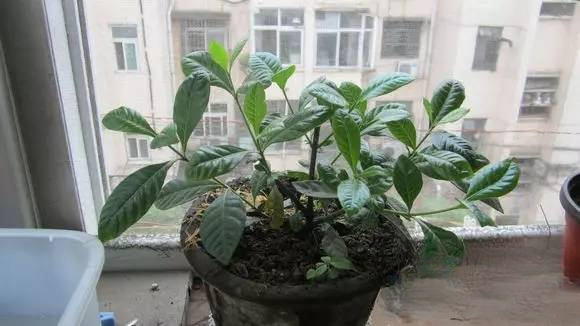
9 Flower Pruning Techniques Master Them and You'll Be a Pro!
Good evening, everyone! Many flowers, like roses and jasmine, have finished their first bloom and need pruning, but many of you don't know how. So, your all-knowing flower lover has compiled pruning methods for 9 common flowers. They're simple to do, and if you love gardening, you'll be a pro once you learn them!

Pruning objects for potted roses

Inward- growing branches, crossing and overlapping branches, dead branches, and diseased branches are all targets for pruning;
Pruning time
Prune branches or flowers after flowering in spring;
In summer, prune away diseased, weak, and blind flower branches;
After the start of autumn, prune away any old branches (secondary or higher) that have formed during the summer.
Heavy pruning should be carried out in winter or before budding in early spring (except for seedlings and vines).
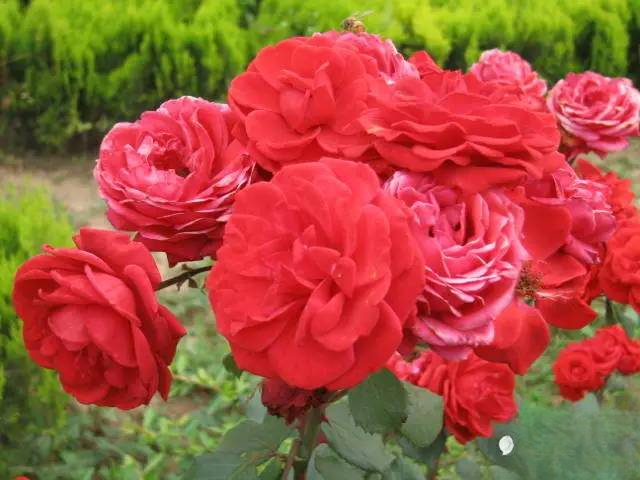
Specific operation method
Source /Author: KAP1966
1. Transplant seedlings with flower buds or tall seedlings and prune them. Place them in a cool, well-ventilated place to allow them to recover. Do not expose them to direct sunlight. Allow them to grow roots and recover. Once new buds sprout and leaves unfold, it means that the recovery process has been successful.
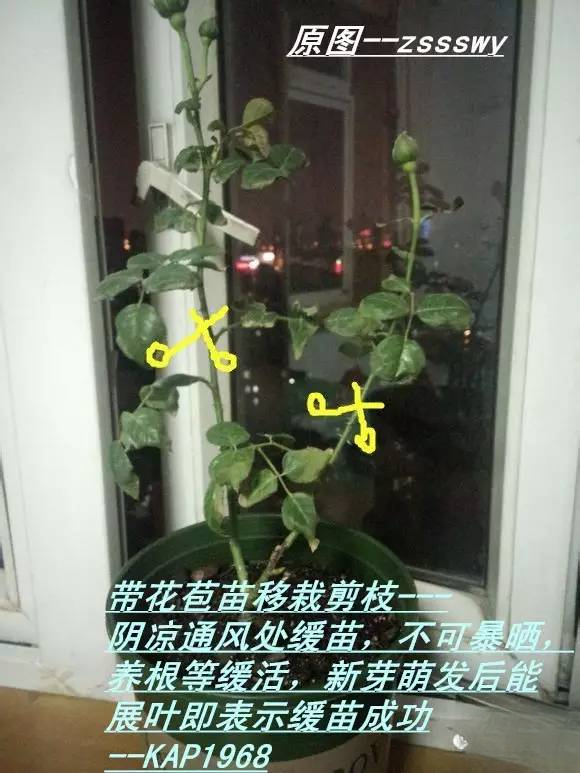
2. Pruning for transplanting with flower buds: The cut should be made about 1 cm above the axillary bud or the complete five leaves. If the branch is long, cut off half of its height; if it is short, cut off one-third of its height.
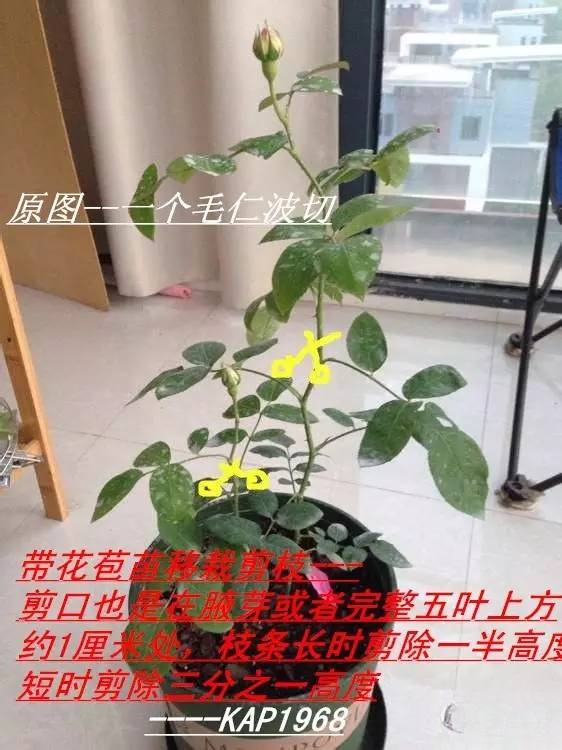
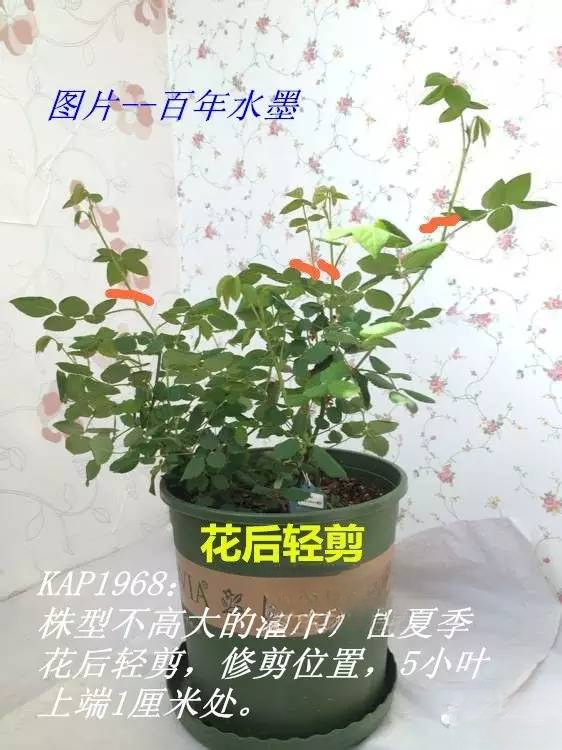
3. For shrubs that are not tall, prune them lightly after flowering in summer. The pruning point should be 1 cm above the top of the 5 leaflets.
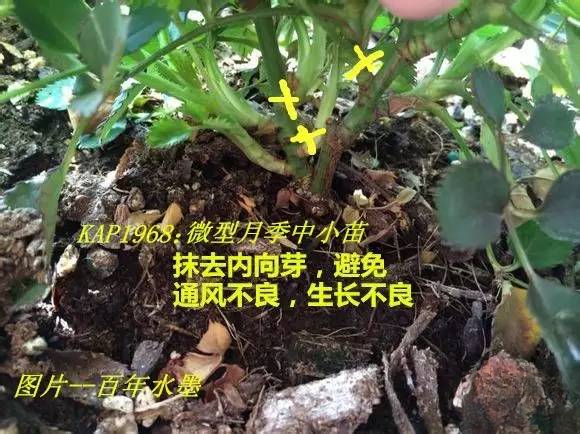
4. For miniature rose seedlings, remove inward-facing buds to prevent poor ventilation and stunted growth.
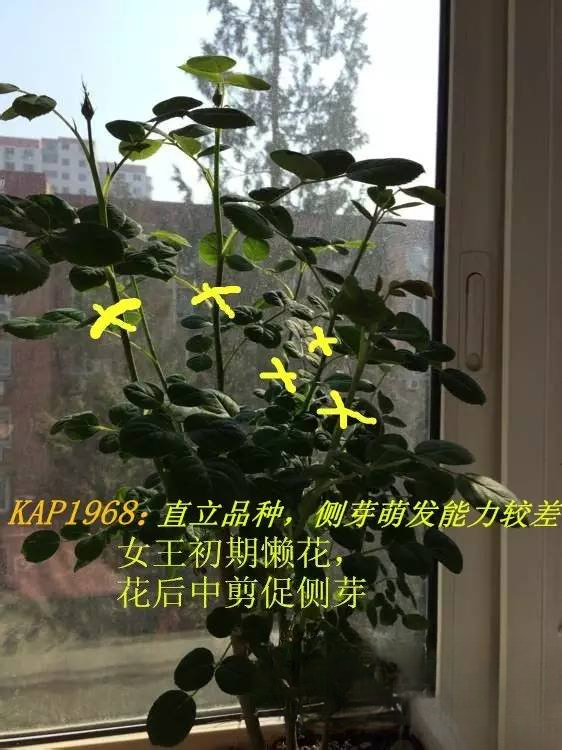
5. Upright rose varieties have poor ability to sprout lateral buds. The Queen rose is lazy in the early stage of flowering, and medium pruning after flowering will promote the lateral buds.
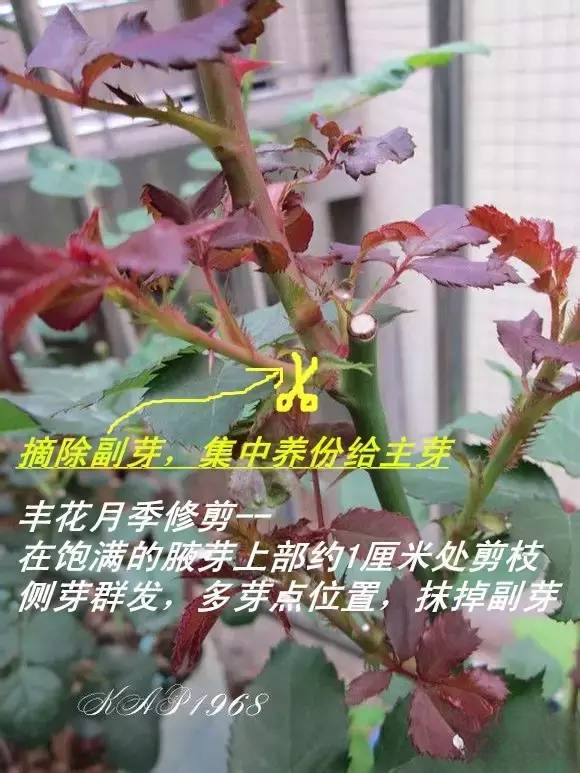
6. Pruning of Floribunda Roses: Cut the branches about 1 cm above the plump axillary buds. When lateral buds sprout in clusters, remove the secondary buds at the bud points.
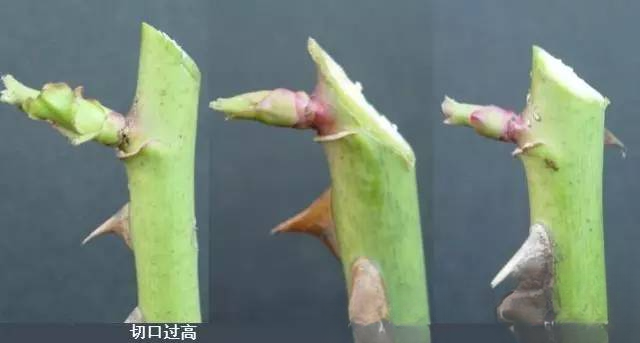
7. Rose branches will lean towards the direction pointed by the top bud. Cut upright shoots to a bud that is growing outwards, and outward-spreading shoots to a bud that is growing inwards. Cut 6 mm (1/4 inch) above the bud. If the cut is too close, it will damage the bud; if it is too far, it will not only look bad but also easily cause branch canker.
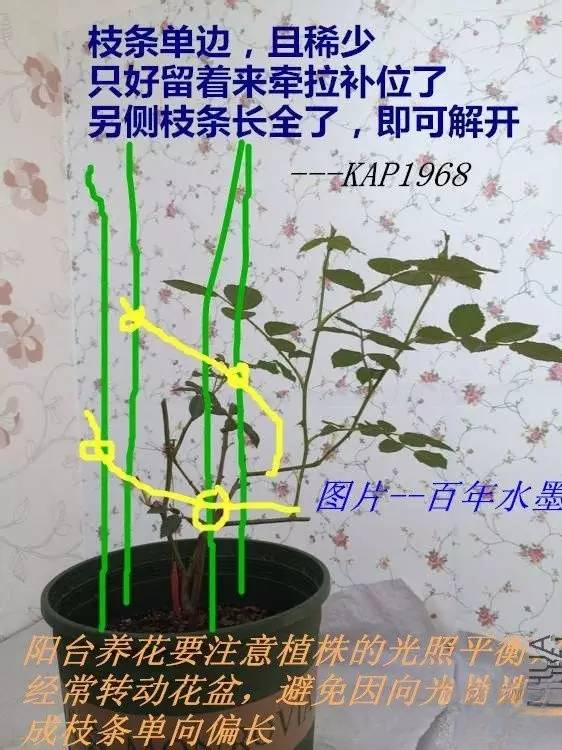
8. For roses with sparse branches on one side, you can only leave them to be trained to fill the gap. Once the branches on the other side have grown out, you can untie them. When growing flowers on a balcony, pay attention to the balance of light for the plants and rotate the flower pots frequently to prevent the branches from growing too long in one direction due to phototropism.
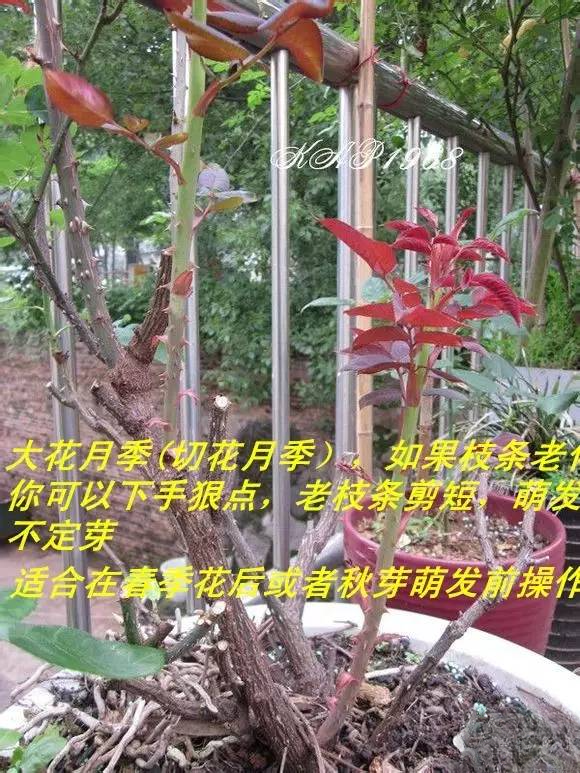
9. Large-flowered roses (cut flower roses): If the branches are old, you can be a little more ruthless and cut the old branches short to encourage the growth of adventitious buds. This is suitable for spring after flowering or autumn before buds sprout. The picture below shows the pruning method for normally growing seedlings.
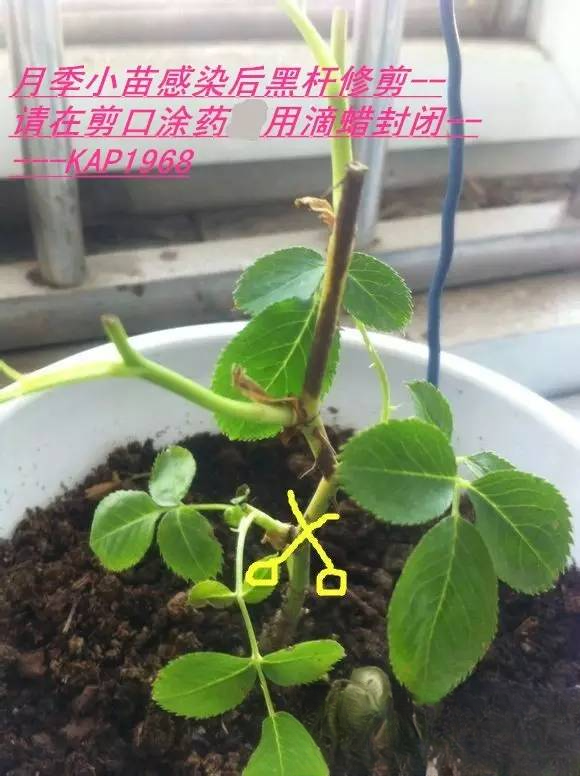
10. Pruning of diseased plants – Pruning roses after waterlogging and blackening of the stem.
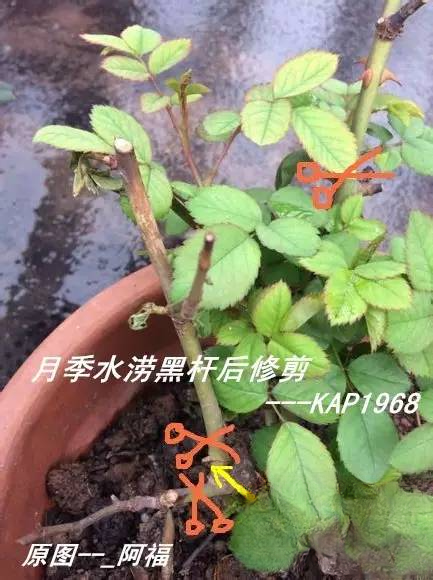
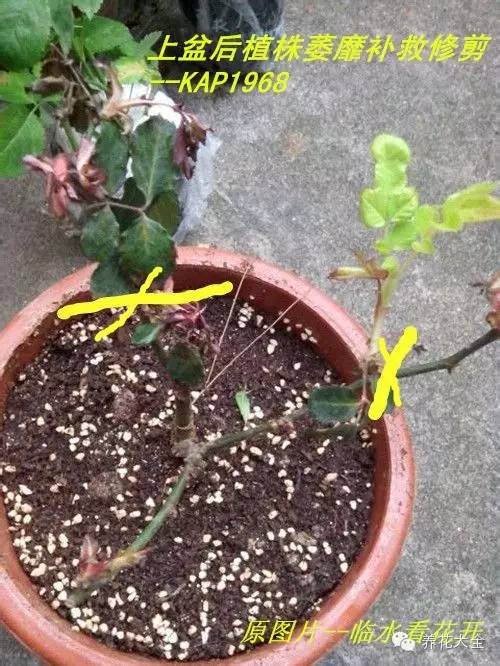
11. If the new shoots of a rose wither, perform remedial pruning after potting.
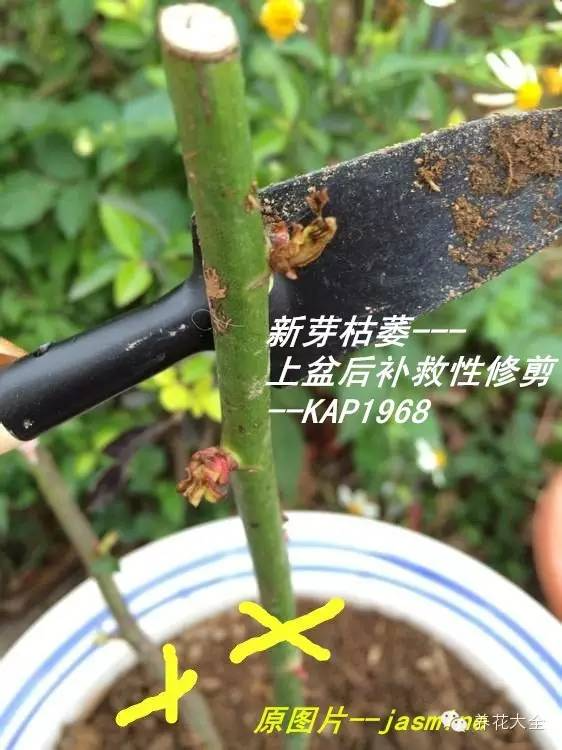
12. After pruning rose seedlings infected with black stems, apply medicine or seal the cut surfaces with dripping wax.
13. Prune to remedy wilting rose plants after potting.
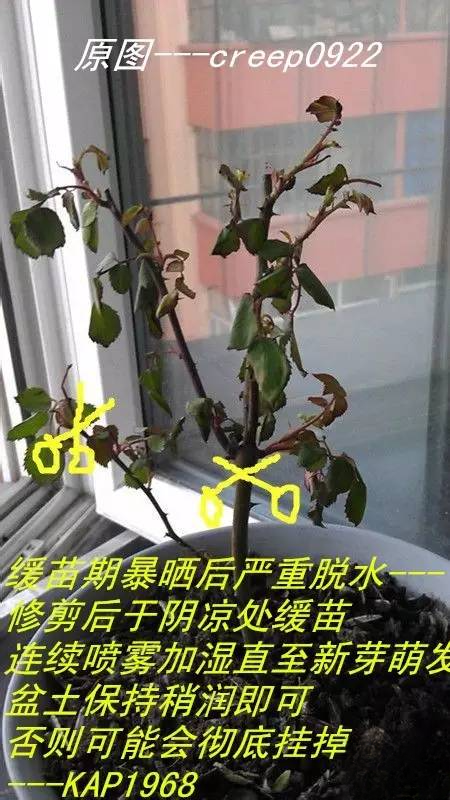
14. If a rose seedling is severely dehydrated after being exposed to direct sunlight during its recovery period, prune it and place it in a shady place to allow it to recover. Spray it with water continuously until new buds sprout. Keep the potting soil slightly moist.
Pruning asparagus ferns can dwarf them and shape them. It can be broadly categorized into the following three types.
Pinching : When new shoots grow to a suitable height, pinch off the top to promote the growth of lateral branches (circled in yellow).
Older branches should be pruned back to the middle, which will encourage the growth of side branches (circled in red). Overly old branches can be cut off at the base to maintain an aesthetically pleasing overall plant shape.
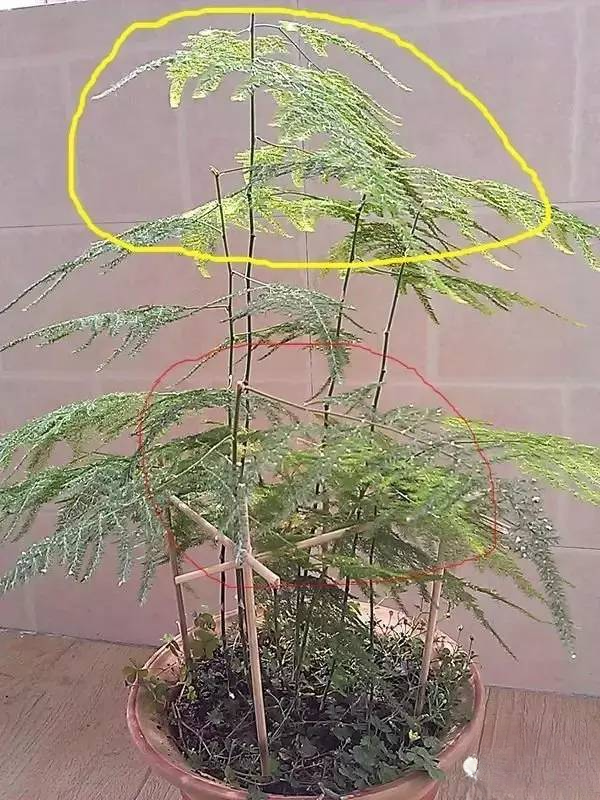
Pruning unruly branches : For plants that are 1 to 2 years old, the branches will be relatively thin. At this time, it is necessary to prune the overly growing and thick branches, as well as the unruly side branches.
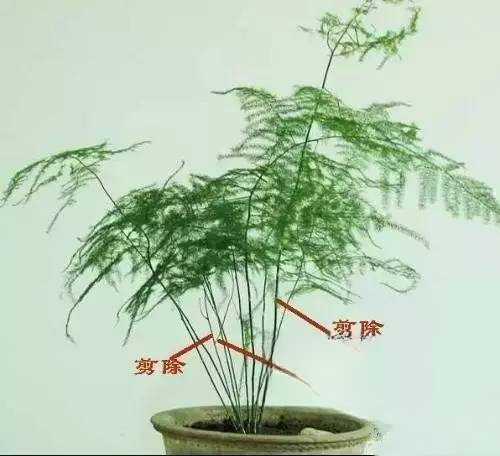
Pruning dead branches : When the asparagus fern grows too fast and the internal space becomes too dense, dead branches and leaves should be pruned in time, and can be cut off from the base.
Late spring and early summer is the peak growing season for money trees. Pruning at this time can not only stimulate new buds and growth, but also change their shape.
Summer pruning : Pruning should remove overly long branches. For healthy branches, leave about 10 cm from the base (3-4 buds), and cut off all other upper branches. Weak branches should be cut off completely from the base , as they have weak sprouting ability and will compete with other strong branches for nutrients.
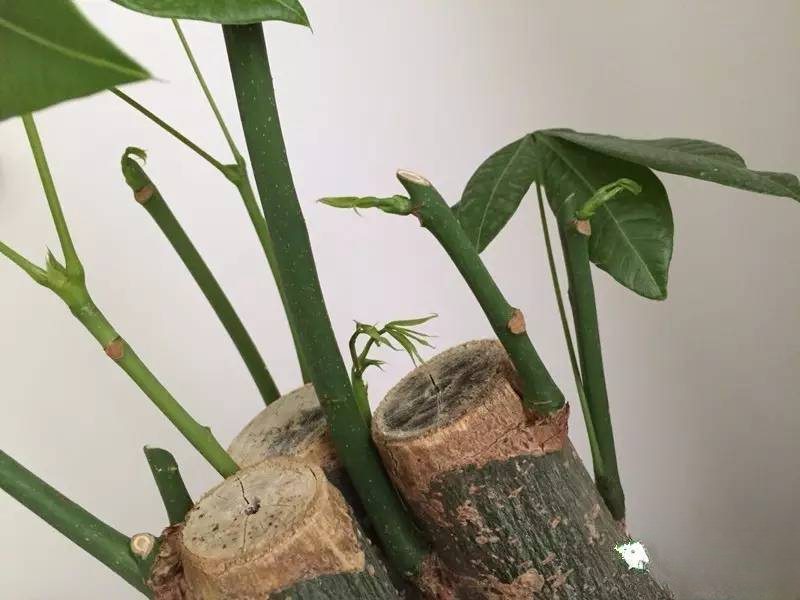
Post-pruning care : After pruning, control watering of the money tree, and avoid rain or spraying water to prevent rot of the wounds and roots. It can be placed in a place with diffused light or shade.
Pruning examples from flower enthusiasts
1. Before trimming, this hat was too big and had no shape at all. This was the shape after an unsuccessful trimming, so I couldn't stand it and decided to trim it again.
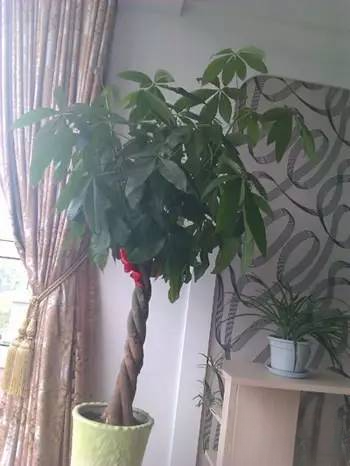
2. After pruning, leave 1 or 2 buds and cut off all of them. I was worried about this before, but practice has shown that as long as the water is controlled properly, there is no problem.
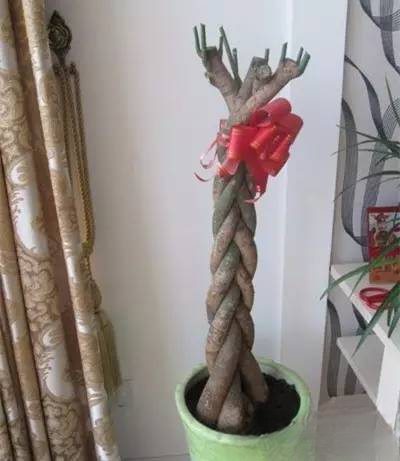
3. Twenty-two days after pruning, new buds have sprouted. Twenty-five days after pruning, small leaves have grown.
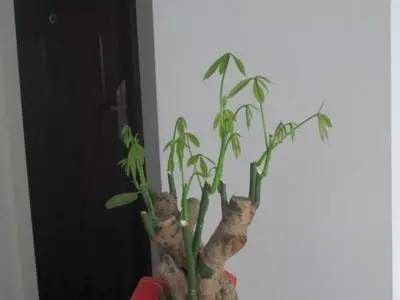
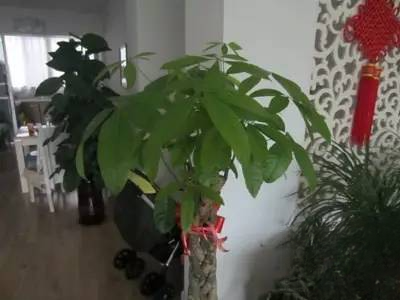
4. One month after pruning, it already looks quite nice.
Early spring pruning
Basically, all varieties should have at least some withered branches and newly sprouted but unhealthy branches pruned before they begin to grow in early spring. Too many branches can easily lead to gray mold disease later on, especially in hot and humid weather.
Summer pruning
To ensure the plant grows stronger overall and produces more flowers the following year, summer pruning is especially important. Removing excess, damaged, and diseased branches increases internal ventilation and light penetration, allowing the plant to better absorb nutrients.
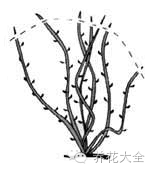
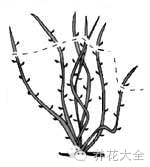
There are two pruning methods, and appropriate pruning can be carried out according to the different growth vigor of the plant.
▼ Trim the top appropriately
▼ Prune weak branches and tips, retaining strong buds.
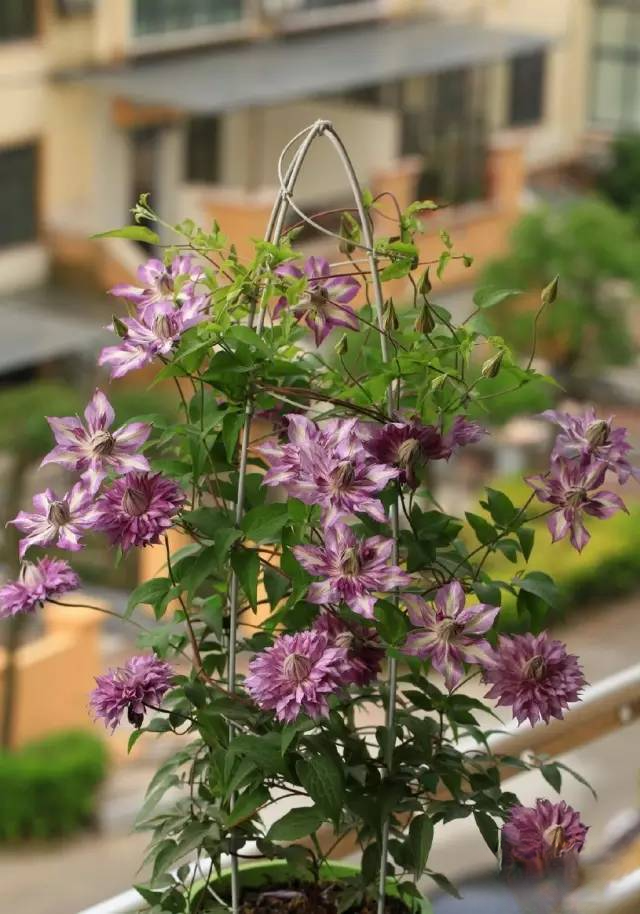
During the summer, when temperatures are high, clematis enters a semi-dormant state, so heavy pruning should be avoided.
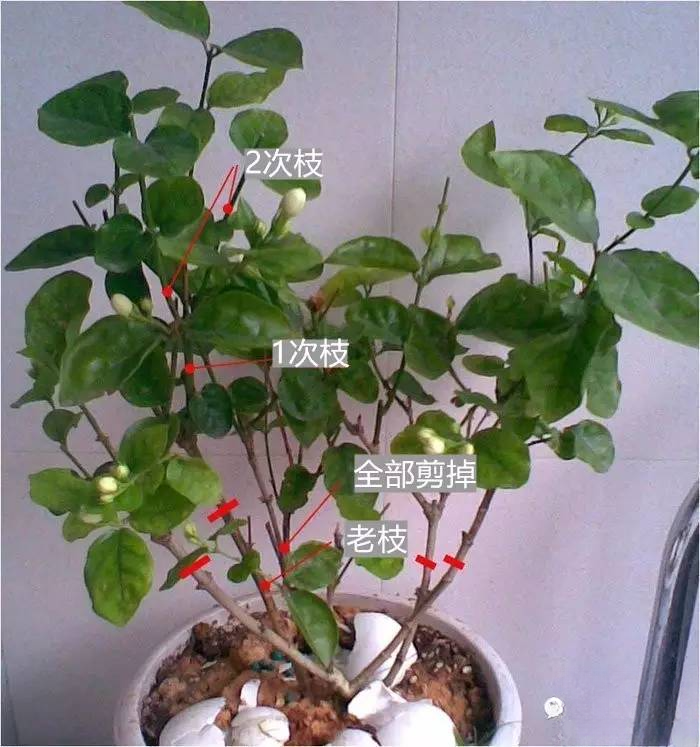
Overall, this jasmine plant is quite old and weak, with very thin branches. It needs a heavy pruning. The pruning points are shown in the picture: leave the four strongest old branches and cut off the rest. Only leave the base of the old branches; the ones left in the picture are still quite long, but it would be better to leave them 1-2 nodes lower. After pruning, it will look like four short, bare sections.
Jasmine pruning principles
1. When pruning potted jasmine, you need to consider the overall size and the proportion of the pot. Generally, the overall height of jasmine can grow at least 20 to 30 centimeters in a year. If you leave very long branches, it will grow very tall.
2. For potted jasmine, don't leave too many branches. Just ensure 5-10 new branches this year (depending on the pot size). Each new branch can grow 3-4 times, let's say 3-3 times, with 2 branches each time, for a total of 14 branches per year. That's 14 flower stalks, and with 3 flowers per stalk, one new branch will have 42 flowers a year. If you leave 5 new branches per pot, the whole pot will have 210 flowers; if you cultivate it well, each branch will have 5 flowers, that's 350 flowers; and if you cultivate it to its full potential, each branch will have 9 flowers, that's 630 flowers. Still not satisfied?
In the year of planting, prune back the plant. After sprouting in spring, retain about 5 branches and remove the rest to concentrate nutrients and promote larger, more vibrant flowers the following year. In autumn and winter, during garden cleanup, prune away withered flower stalks, weak branches, and branches without flowers. When potted, prune as needed into your desired shape.
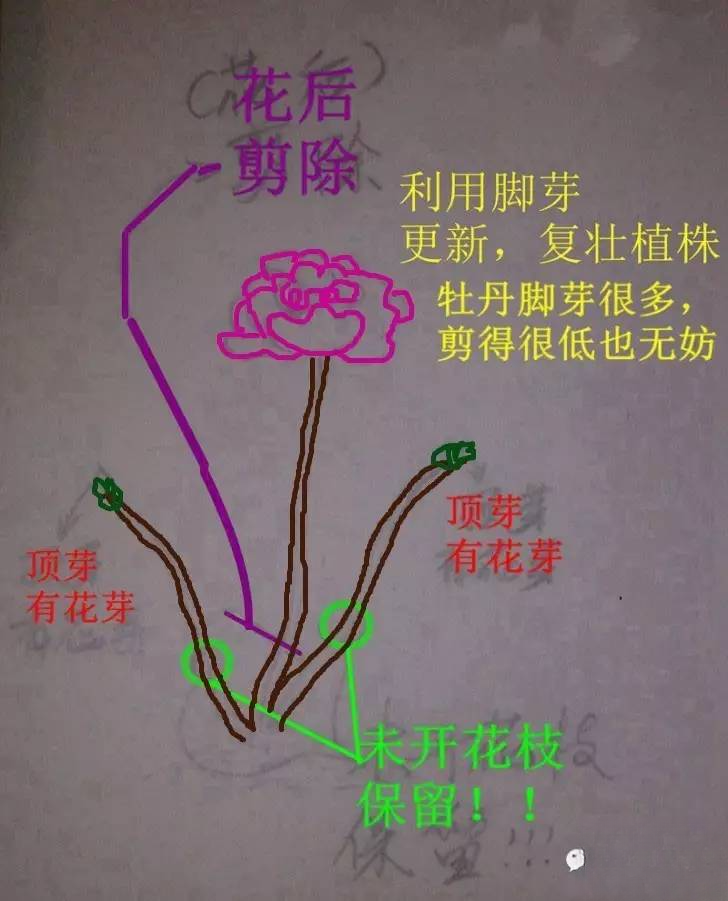
If you want your peony plants to be short and have dense flower clusters, you can prune them heavily to inhibit the spread of branches and the occurrence of root suckers. Generally, you should retain 5-6 branches per plant.
Pruning should be done on a sunny morning to speed up wound healing and reduce the invasion of bacteria.
Purpose of bougainvillea pruning
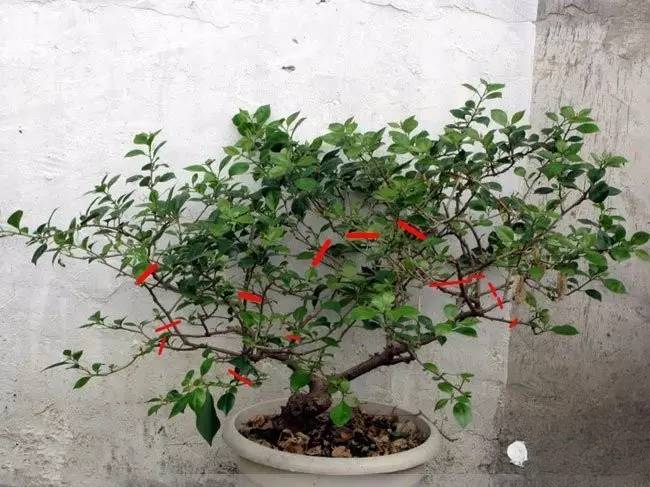
Shrinking back : Potted plants have limited soil and nutrients, as well as limited growing space. Shrinking back is necessary to maintain a certain size of plant and prevent insufficient nutrients, poor plant growth, and unattractive flowering.
Flowers blend into the scenery : People want their potted plants to not only bloom profusely, but also to have an attractive shape. Pruning is the way to achieve an organic combination of potted plants and bonsai, giving the bougainvillea a bonsai feel, allowing you to appreciate its shape at any time.
Clearly defined layers: Prune away weak, dead, and useless branches to create layers, ensuring all branches receive sunlight and allow the branches to grow in layers.
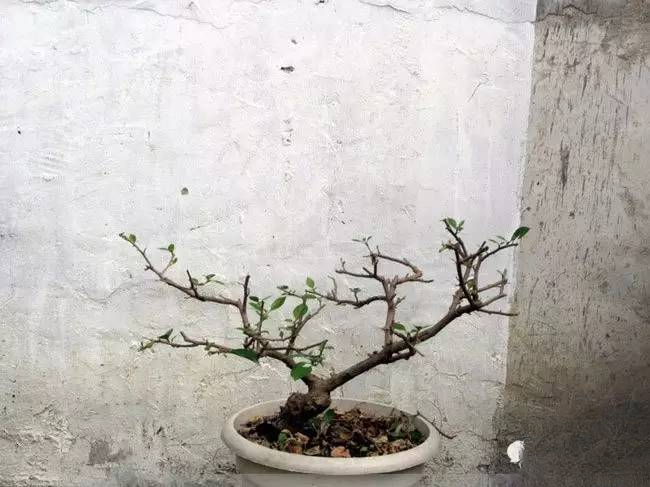
Heavy pruning: Cut off the small and weak branches about 5 cm above the branching point to encourage the whole plant to sprout new buds.
▼ After trimming
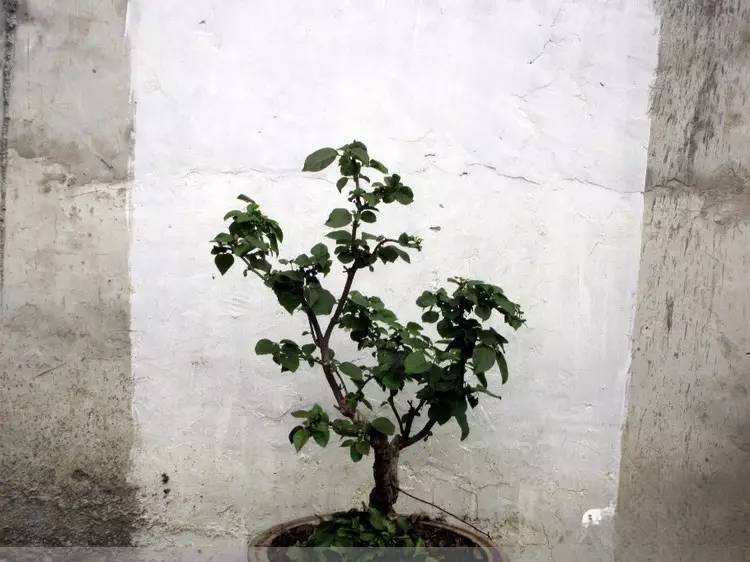
Light pruning : Remove new shoots from the tips of branches. This promotes the growth of lateral branches, achieving the goal of dwarfing and increasing crown width.
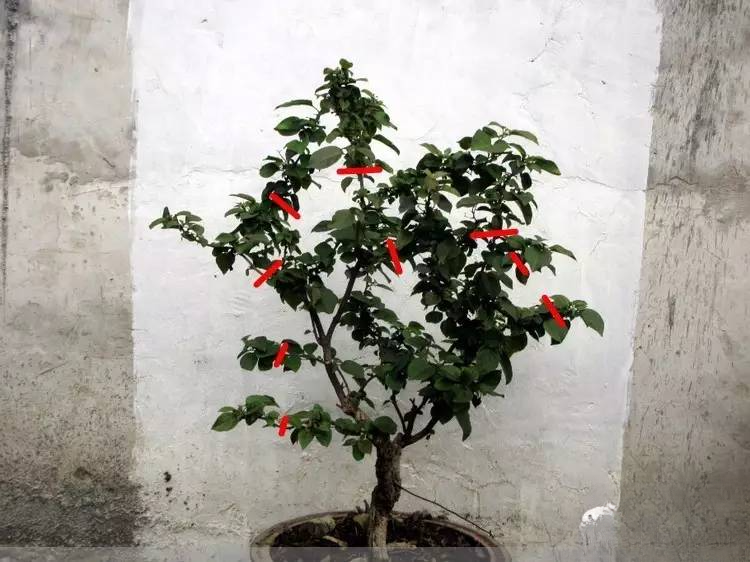
▼ After trimming
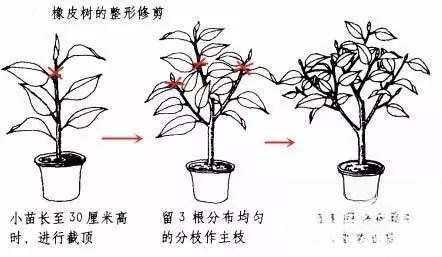
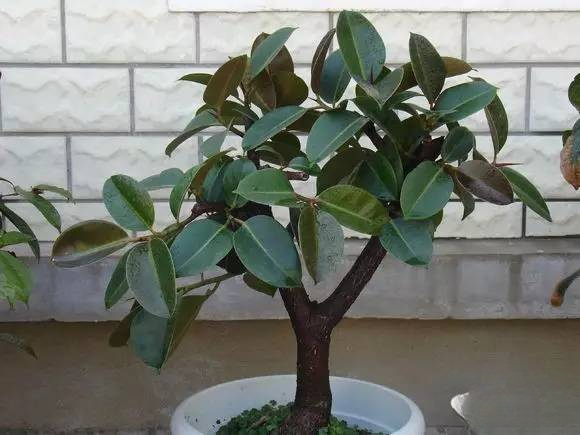
In shaping and pruning rubber trees, it is sometimes necessary to highlight the growth of the main trunk or main branches and remove overly dense branches or branches that affect the shape. Common shaping and pruning methods for highlighting the main trunk and main branches include bud removal and branch thinning.
1. Bud removal: This involves removing newly sprouting buds to inhibit the growth of lateral branches. The principle is to eliminate the growth of lateral branches in the budding stage, so that nutrients can be concentrated on the growth of the main branches.
2. Thinning : This involves using pruning shears to cut branches from the base. It is often used to thin out overly dense branches. Thinning is a remedial measure for bud removal. If bud removal is not done in time, lateral branches will have already formed. In order to strengthen the growth of the main trunk or for shaping purposes, some excess lateral branches are removed.
▼ After trimming
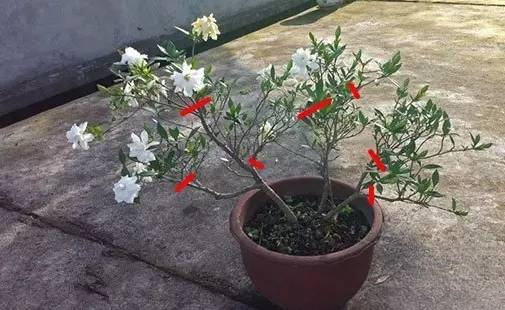
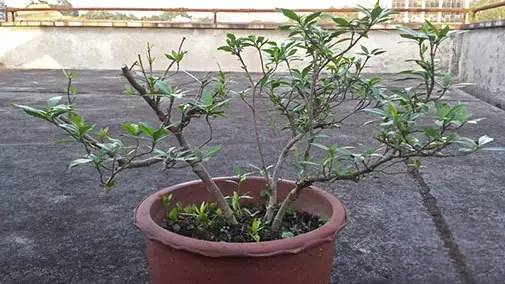
Pruning gardenias serves two purposes: first, to control their height and prevent excessive growth; and second, to suppress apical dominance, promote lateral branching, and increase flowering. Pruning can be done at two different times:
Summer pruning
May to July is the peak growing season for gardenias. Pruning the top overgrown branches during this period can help control plant height, promote the growth of lateral branches, and increase flowering.
After flowering, withered flowers should be removed promptly to encourage the growth of new shoots. When the new shoots have grown to 2-3 nodes, the first pinching should be performed, and some axillary buds should be removed appropriately.
▼ After trimming
Winter pruning
Pruning should be done around December. Each pruning only requires removing 2-3 pairs of leaves from the tip of the branch, along with any spent flowers. After pruning, spray once with a 1000-fold dilution of carbendazim to prevent pathogens from entering through the wounds.
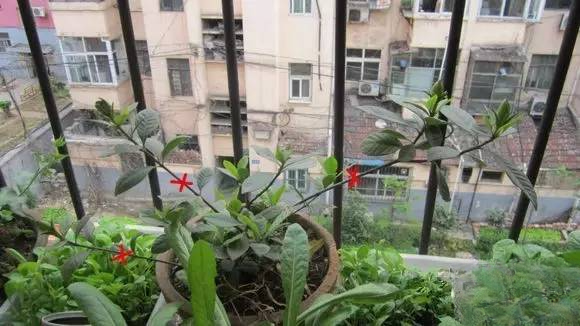
▼ After trimming