5 essential exercise tips for weight loss! The fourth one is unknown to 90% of people.
We often say, "Never fight a battle unprepared," and "Know yourself and know your enemy, and you will never be defeated ." This spirit of thorough research is equally applicable to the field of weight loss and fitness. Losing weight is not only a war against fat , but also a war against unhealthy lifestyle habits and human laziness.
To win, one must make thorough "pre-battle preparations" and continuously supplement and improve one's capabilities during the process . On the other hand, people are increasingly recognizing that weight loss is a "technical skill," and acquiring more professional knowledge often yields twice the results with half the effort .
This time, Xiao Le has compiled some frequently asked questions about weight loss, or the most pressing concerns for those trying to lose weight. Please read carefully !
The concept of "most effective for weight loss" is difficult to define. Therefore, Xiao Le has decided to share some common exercises that burn the most calories at a fixed time .
It's worth noting that climbing stairs has a remarkably significant weight-loss effect. A person weighing 60 kilograms can burn 836 kilocalories by briskly climbing stairs for 10 minutes ! So, those of you eager to lose weight, ditch the elevator!

HIIT (High-intensity Interval Training) is a training method primarily used to improve cardiovascular fitness and speed. When combined with other training methods, it can enhance fat loss. This unique training method emphasizes extremely high fat-burning efficiency by incorporating shorter intervals within short bursts of high-intensity exercise, and it has rapidly gained popularity since its inception .
HIIT does indeed have extremely high fat-burning efficiency; half an hour of HIIT can burn more fat than an hour of jogging, and the body is always in a state of incomplete rest throughout the training time. Besides the fat-burning effect of the exercise itself, excess post-exercise oxygen consumption also helps us burn fat. Excess oxygen consumption is when the body remains in an "aerobic exercise" state for a period of time after exercise, effectively prolonging the exercise time. However, because the duration of HIIT is limited, to truly achieve high fat-burning efficiency, HIIT training sessions must be performed at true "maximum intensity"! It is generally believed that you should reach at least 80% of your maximum exercise heart rate ( 220 - age) . For more details, please refer to my previous article (click here)~
Yes ! Absolutely! Aerobic exercise refers to physical activity in which the body's oxygen intake equals its demand, achieving a state of physiological balance. Adequate oxygen supply is a favorable condition for the consumption of glycogen and fat .
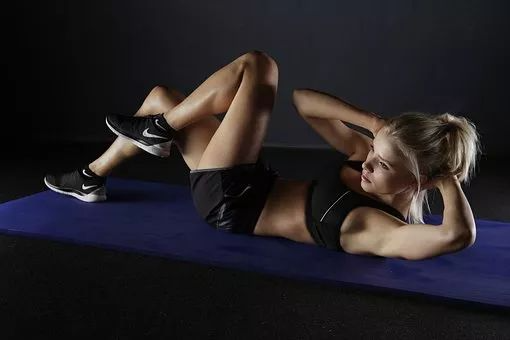
The prevailing view in exercise physiology is that glycolysis provides the most energy within the first half hour, after which fat burning accelerates, and the rate of fat consumption increases progressively. However, there is no specific timeframe during which only a single energy source is used. Therefore, fat is the primary energy source for low- to moderate-intensity, prolonged exercise, and most aerobic exercise falls into this category. A rhythmic and consistent aerobic exercise routine is the best tool for fat loss.
HIIT remains the best answer to date . As mentioned above, "excess oxygen consumption" is the key to HIIT 's effectiveness, allowing you to continue burning calories even after you've finished exercising.
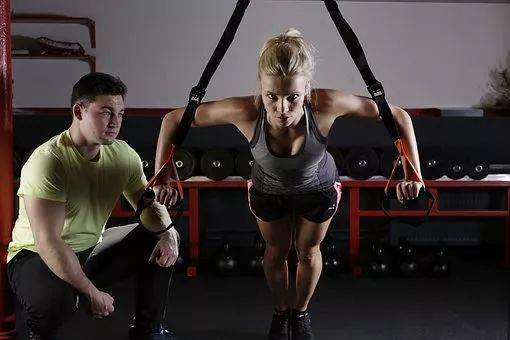
What about other types of exercise? Xiao Le recommends a combination of 20 minutes of anaerobic exercise followed by 40 minutes of aerobic exercise . This combination has the effect of both building muscle and losing fat. Doing anaerobic exercise first also helps the body get into an exercise state, which is beneficial for burning fat during the subsequent aerobic exercise.
It has an impact . However, the extent and direction of this impact often depend on individual physical characteristics and exercise intensity. Many factors can influence appetite, including nerve excitation, hormone levels, and emotional state. Some experiments show that high-intensity exercise excites the sympathetic nervous system and reduces the excitability of the parasympathetic nervous system, which controls the digestive system, thus reducing voluntary energy intake and consequently decreasing appetite. However, other studies suggest that aerobic exercise reduces leptin secretion and increases gut-brain peptide secretion, thus increasing appetite, while anaerobic exercise has the opposite effect. Further research is needed to determine the specifics.
These questions may seem simple, but they are indeed closely related to our fat loss and fitness results. Adopting inappropriate exercise or diet methods often leads to counterproductive results, wasting time and energy. This is precisely why Xiao Le has been working hard to share fitness tips with everyone ~ If you have any further questions, please feel free to ask in our comment section ~