31 littleknown facts about places around the world, how many do you know?
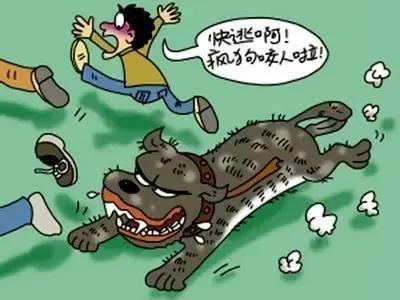
1. In Switzerland, if you own a pet dog, you need to pay tax annually. The tax amount is calculated based on the dog's weight and size. You must also undergo training to learn how to care for your pet dog.


2. Western Indonesia is plagued by a rat infestation, prompting the local government to implement a "rat tax." According to regulations, 75 rats must be collected from every hectare of rice paddy, and 50 rats are required for marriage or divorce approval. Traveling abroad and obtaining loans also require a corresponding number of rats. Therefore, in Indonesia, forgetting your household registration book isn't a big problem, but failing to catch rats will definitely prevent the marriage from taking place.
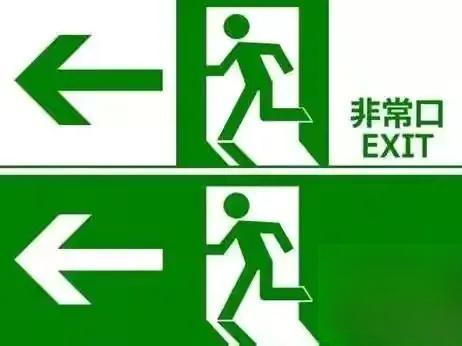
3. The little green figure commonly seen on emergency exits was designed by the Japanese in 1972 and is also known as "Pikto-san".

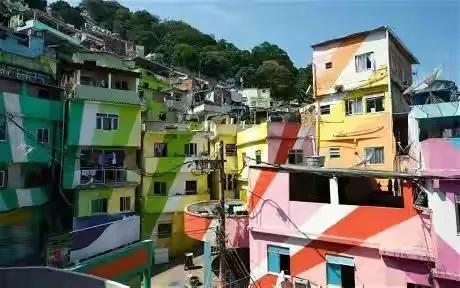
4. Slum tours in Brazil have become popular in recent years, with the most famous being the colorful Santa Marta favela in Rio de Janeiro. Celebrities such as Michael Jackson, Madonna, and Beyoncé have all visited this place.

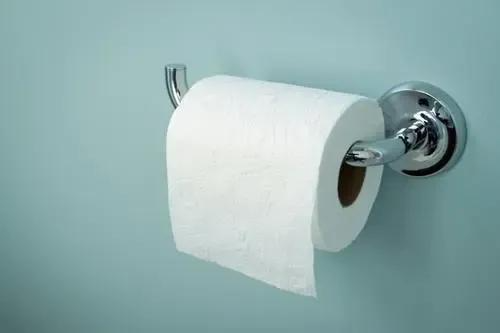
5. In Australia, no matter where you go to the toilet, you'll find that even in the most remote places, there is toilet paper. This is extremely convenient when you're traveling. As for the reason, I haven't figured it out yet.
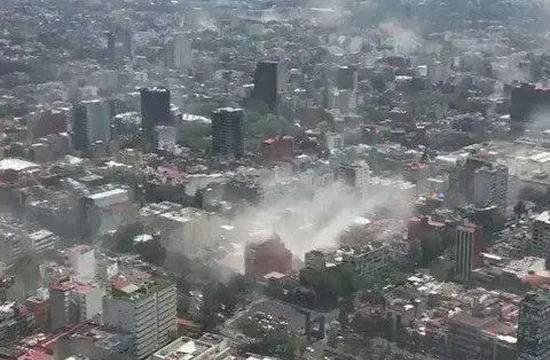
6. Located on the Ring of Fire, Mexico has experienced frequent earthquakes since 1991. There have been over 200 earthquakes of magnitude 6-6.9, 47 earthquakes of magnitude 7-7.9, and 4 major earthquakes of magnitude 8 or higher. The frequency of earthquakes in Mexico far exceeds that of Japan.

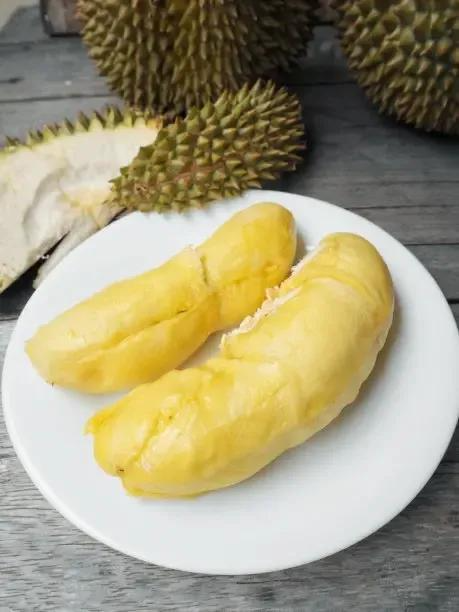
7. In Indonesia, there is a type of durian that bears fruit only once every three years. Each durian costs $1,000, which is equivalent to three months' salary for an average local. Although durian is Indonesia's national fruit, due to its extremely strong odor, local laws stipulate that eating durian in public places is illegal.
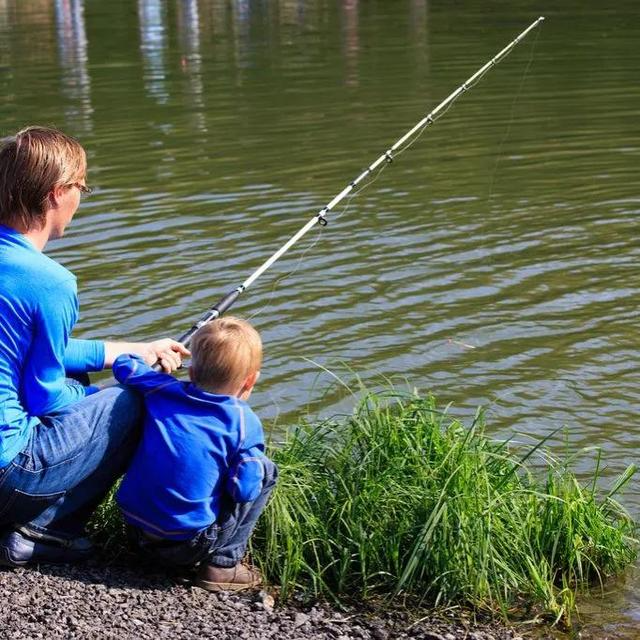
8. In Argentina, you cannot fish for wild fish indiscriminately, nor can you fish in any form. If you wish to fish, you must go to designated areas. If you are caught fishing illegally, in addition to a fine, you will have to pay for an equivalent amount of fish to release back into the wild.
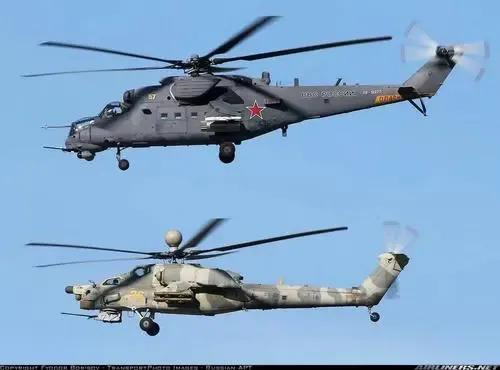
9. Russia has the highest per capita ownership of helicopters among developing countries in the world. In the Kamchatka region of the Far East, residents even take "public helicopters"—simply stand on the helipad and wave, and a public helicopter will come to pick you up.
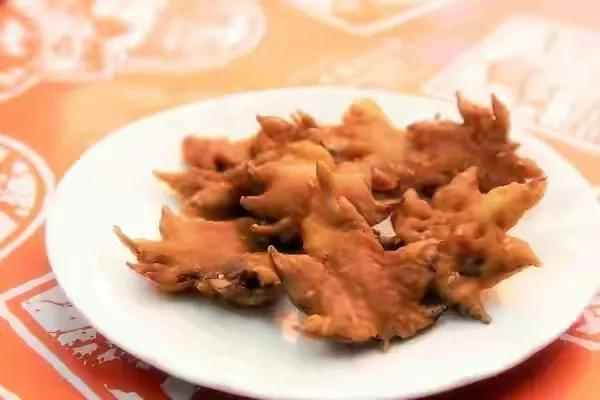
10. There is a dish in Japan that doesn't exist in China: fried maple leaves, also known as maple leaf tempura. In our country, maple leaves are usually swept into the trash by cleaning ladies, but in Japan, they can be served on the dining table, and it is said to have a history of 1300 years.

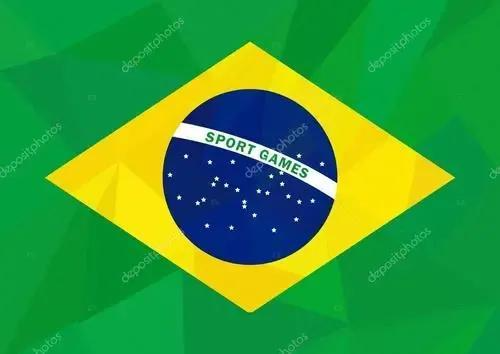
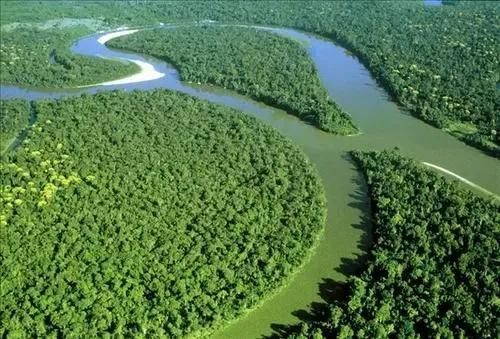
11. The green area on the Brazilian flag represents the Amazon rainforest. As the world's largest rainforest, the Amazon rainforest contains 20% of the world's freshwater and supplies 30% of the Earth's oxygen.
12. New Zealand has a very good healthcare system, but it lacks rabies vaccines. Only a very limited number of scientific research institutions have a small amount of rabies vaccines, but these are only for research and will not be put into practical use.
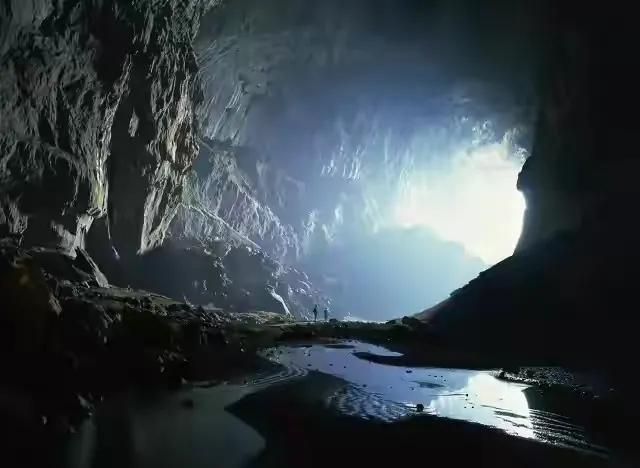
13. The world's largest cave – Sarawak Cave – is located in Mount Mulu National Park on the island of Borneo. This cave is so large that, according to rough mathematical calculations, it could hold 40 Boeing 747s without the planes even having to overlap their wings.
14. The UAE's welfare system is comparable to that of Nordic countries. Citizens receiving their first marriage receive a 100-square-meter apartment and a $70,000 marriage allowance. Children receive hundreds of dollars in monthly subsidies, tuition is free from primary school to university, and those studying abroad receive a monthly living allowance of $500-600.

15. At the 2004 Athens Olympics, Argentina only won two gold medals: one in men's basketball and one in men's football. Although we won 32 gold medals, we still drooled over those two! Those two gold medals were the dreams of generations of us!

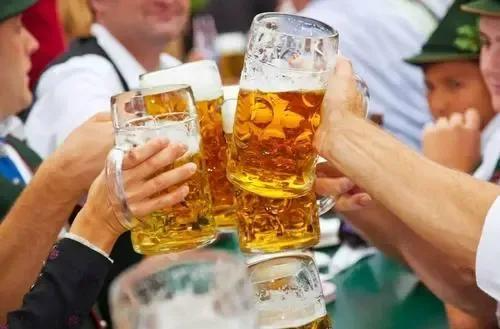
16. Beer was banned in Iceland from 1915 until March 1, 1989, meaning that drinking beer was illegal before 1989.
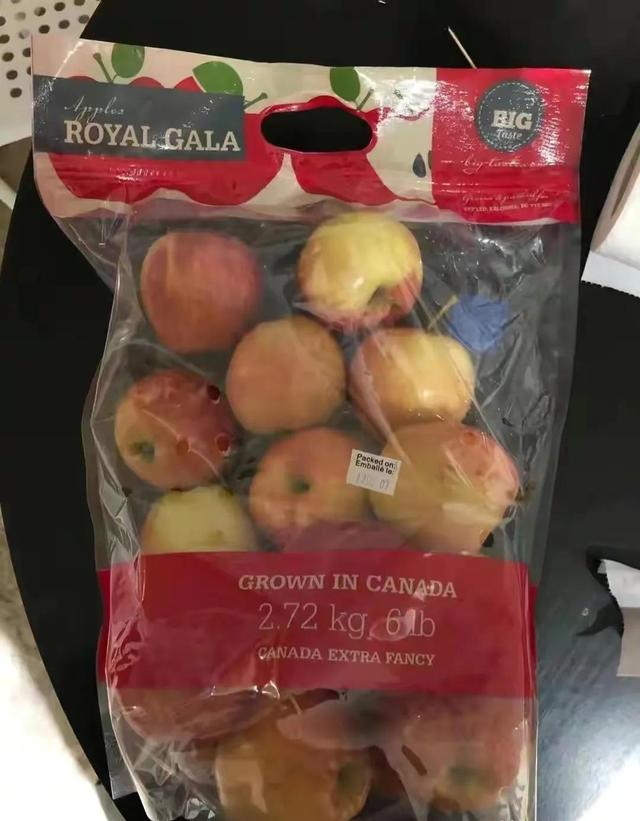
17. Canada conducts extensive research and evaluation on all food products. For example, genetically modified foods undergo at least twenty years of research and evaluation before being introduced into the country, provided they are completely safe.
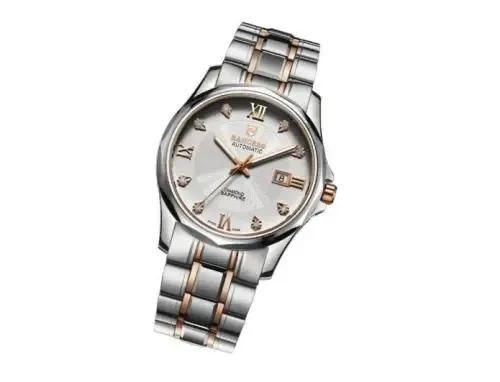
18. Of the world's most famous watches, 7 out of 10 are made in Switzerland, making it a veritable "watchmaking kingdom" that has thrived for centuries. Swiss watches are a symbol of high-end luxury, generating twice the foreign exchange earnings of Japan and 20 times that of China per watch, firmly controlling the global watch market share.

19. The greatest distance in the world is the lack of internet! You probably feel you can't live without air, water, or even Wi-Fi! Did you know? The birthplace of Wi-Fi was in Australia. I don't know whether to marvel at this ingenious invention or lament this source of all evil~

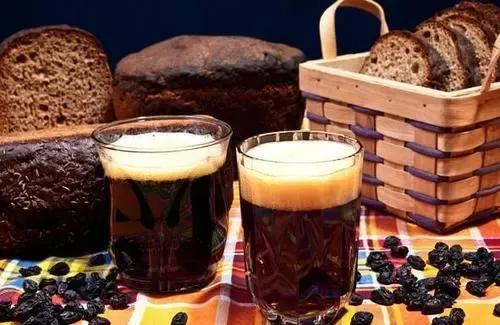
20. Kvass is the "soul drink" of Russians, with only 1% alcohol content, a color similar to beer, and is made from fermented bread. It is also very popular in Northeast my country.
21. Dubai Metro tickets come in four types: Gold, Silver, Blue, and Red. Gold cards grant access to reserved carriages and are the most expensive; Silver cards are suitable for independent travelers; Blue cards require identification and are primarily for local residents; and Red cards are for single use only.


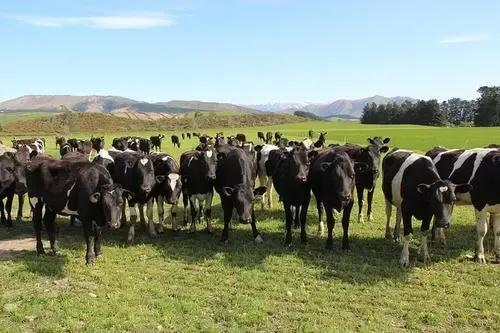
22. New Zealand has nearly 10 times its population of cattle and sheep. The New Zealand government believes that cattle and sheep farting contributes to global warming, therefore a farting tax of 9 New Zealand cents per sheep is levied, equivalent to about 50 cents in RMB. The farting tax on cattle is higher, at about 3 yuan.

23. In Japan, only 100% pure fruit juice can have photos of cut fruit on the packaging. Fruit juice with a purity between 5% and 100% can only have fruit on the packaging, but not cut fruit. Fruit juice with a purity below 5% cannot have fruit on the packaging at all.

24. Before 2006, people from West Malaysia needed to use their domestic passports to travel to East Malaysia and could only stay for three months.

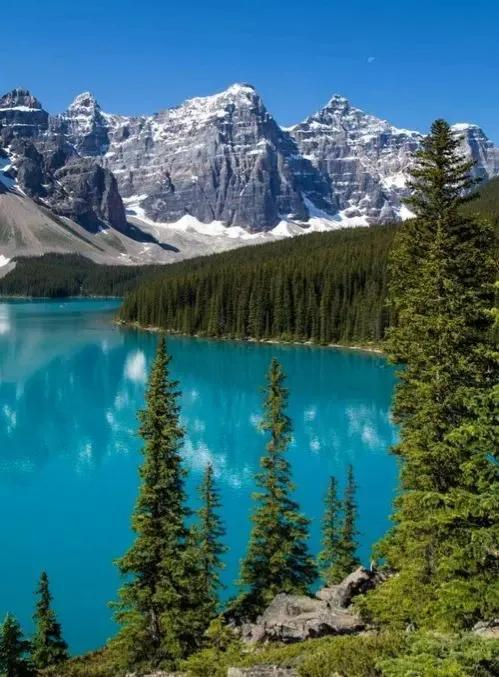
25. Canada has more lakes than all the other countries in the world combined, with Manitoba alone having approximately 110,000 lakes.
26. In Italy, you don't have to worry about being late for the movies because there's a half-hour of commercials before the film starts, plus an intermission. It truly is a country with a well-developed football system; they even use the intermission in the movie theater!
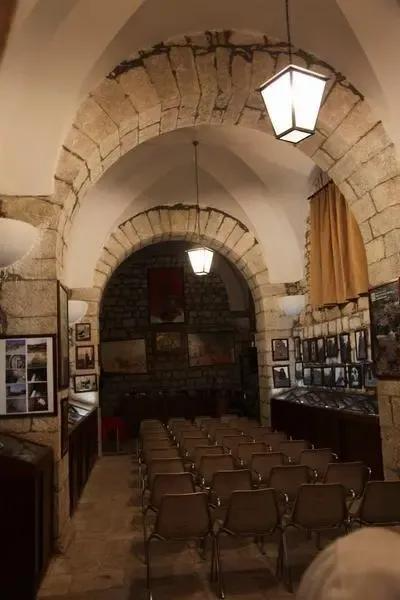
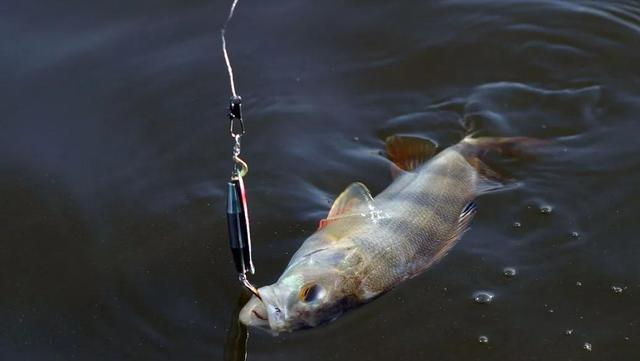
27. In Norway, fishing doesn't involve bait; instead, colorful, bait-like ornaments are used to attract fish and get them hooked. Apparently, Norwegian fish aren't particularly "clever," but rather rather "clumsy," making them easy to catch. In Norway, the first thing to consider when catching a fish is its size; any fish under one pound is immediately released.


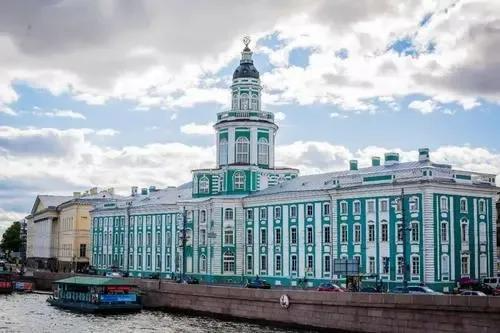
28. As is well known, there is a world-famous palace in St. Petersburg, Russia, called the Winter Palace. In order to prevent rats from damaging the palace and the artworks inside, the staff of the Winter Palace hired many cats as caretakers as early as the 18th century!
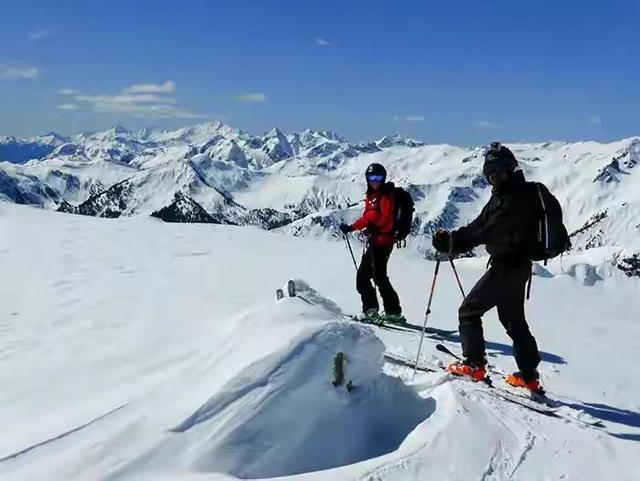
29. It's probably not surprising that modern skiing was invented by a Norwegian. In the late 19th century, Sandre Norheim invented a ski design that allowed him to swing and jump with a lower risk of falling. His design inspired the modern skis we use today.

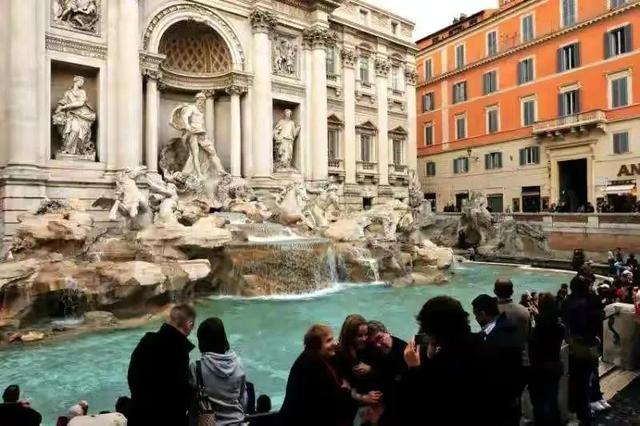
30. The famous Trevi Fountain in Rome attracts a large number of tourists every day, who devoutly make their wishes and then toss coins into the fountain over their left shoulder. It is estimated that the fountain receives an average of 3,800 euros in coins daily!
31. What fun and useful trivia do you all have?