24 LittleKnown Facts: Strange facts that may not appear in textbooks but actually exist.

swallowing
On average, each meal requires 295 swallows.
Second, some studies have shown that loneliness, like smoking, can affect lifespan.
On average, the human body contains 0.1 milligrams of uranium, 0.2 milligrams of gold, and 7 milligrams of arsenic.
Fourth, statistical>
brain
6. Small amounts of cerebrospinal fluid may sometimes leak out through the nose.
7. Experiments have shown that cows produce more milk when they listen to music.
8. After entering the human body, the beef tapeworm can grow up to 12 meters long in the intestines.
9. Like swans, ducks will regard the first creature they see as their mother.
10. Hummingbirds are the only birds in the world that can fly backwards. In addition, hummingbirds can also hover in the air.
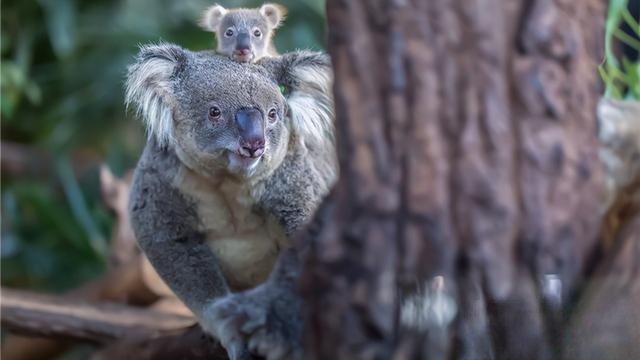
koala
During the National Day holiday, koalas can sleep for up to 22 hours out of 24.
12. The human eye is equivalent to a camera with 576 million pixels.
Thirteen. Before the advent of dentists in Europe, people had their teeth pulled in pubs.
Fourteen. Cola was accidentally invented by two people while making headache medicine.
15. When eating watermelon, it is best to remove the seeds, as they cannot be digested and eating too many may cause intestinal obstruction.

blink
16. Generally speaking, girls blink more frequently than boys.
17. Oak trees only bear acorns when they are fifty years old or older.
18. The cells in the human body are completely renewed approximately every seven years.
19. Crows can recognize human faces and even remember those who have harmed them and seek revenge.
20. African cicadas need to sleep underground for 17 years before emerging from the ground. They reproduce within two weeks of emerging and then die.

hair dye
21. Women during the Renaissance used horse urine to bleach their blonde hair.
22. People with gum disease are twice as likely to have a stroke or heart disease.
23. Octopuses have a large amount of copper-containing hemocyanin in their blood, which is why their blood is blue.
24. Besides the platypus, which is well-known as an oviparous mammal, there is another animal called the echidna that is also an oviparous mammal.