21 homemade pest and disease control methods for families – safe and pollutionfree!
21 homemade pest and disease control methods for families – safe and pollution-free!
Many flower enthusiasts are very distressed when their flowers encounter pests and diseases. On the one hand, they worry about not finding good ways to treat their plants; on the other hand, while effective chemical pesticides exist, they worry about environmental pollution and potential harm to themselves, their babies, or the elderly in their families. Are there any green, pollution-free methods for pest and disease control? Absolutely!
Today, we'll introduce some homemade methods for controlling pests and diseases. These methods are not only easy to prepare with readily available ingredients, but also economical and time-saving, pollution-free, and effective.
15 Methods for Controlling Pests on Flowers
NO1 Tobacco Leaf Water – Controls aphids, spider mites, whiteflies, and leaf rollers.
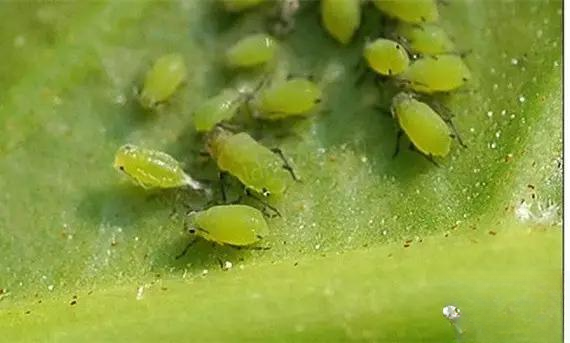
Take 100g of tobacco leaves, add 3000g of water, and soak for 24 hours. During soaking, repeatedly rub and knead the leaves several times, remove the residue, and filter; or boil for half an hour and then filter. Add 0.1%–0.2% neutral detergent to the filtered water, stir thoroughly, and then spray. The nicotine it contains can control aphids, spider mites, whiteflies, leaf rollers, stink bugs, thrips, and many other leaf-eating pests.
NO2 Garlic Water – Controls scale insects, spider mites, and aphids
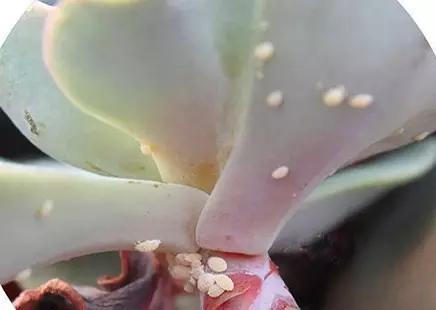
Crush garlic, extract the juice, dilute it 10 times with water, and then spray it. This can control scale insects, spider mites, aphid nymphs, gray mold, and root rot. Pouring the juice into the potting soil can control earthworms and nematodes.
NO3 Pepper Spray – Controls spider mites, aphids, and whiteflies.
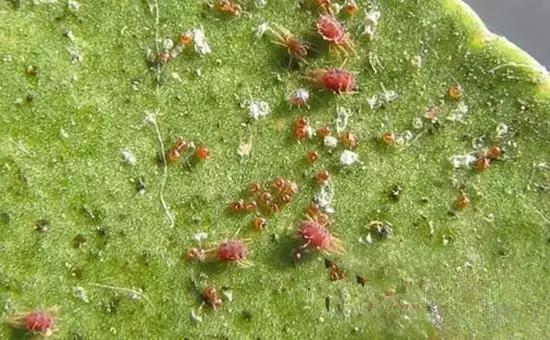
Take 100g of dried red chilies (preferably spicy varieties like chili peppers), add water and boil for 10-15 minutes. Filter and spray the solution onto the plants. This can control pests such as spider mites, aphids, and whiteflies.
NO4 Sichuan pepper water—for controlling whiteflies, aphids, and stem borers.
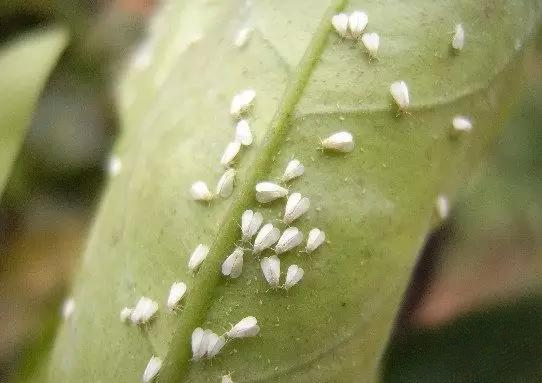
Take 100g of Sichuan peppercorns, add 500g of water and boil for 20-30 minutes. Filter, then dilute with 3000-4000g of water and spray on the plants. This can control whiteflies, aphids, scale insect nymphs, stem borers, leafhoppers, etc.
NO5 Scallion Water – Controls soft-bodied pests and aphids
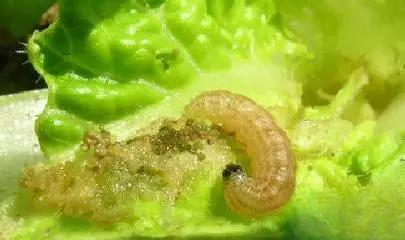
Crush the outer skin and leaves of scallions, soak them in 5 times the amount of water for 2-3 hours, filter and spray. This can prevent soft-bodied pests and aphids, and inhibit the spread of powdery mildew.
NO6 laundry detergent solution – for controlling aphids, spider mites, and scale insects.
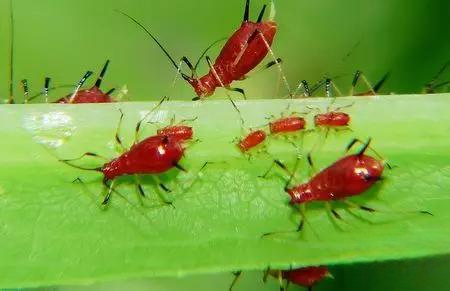
Mix 1g of neutral laundry detergent with 150g of water and spray the plant to kill aphids, spider mites, scale insects, whiteflies, etc. Note: After killing the pests, immediately wash the leaves 2-3 times to clear the stomata.
NO7 Tea Seed Cake Water – Controls planthoppers, snails, aphids, etc.
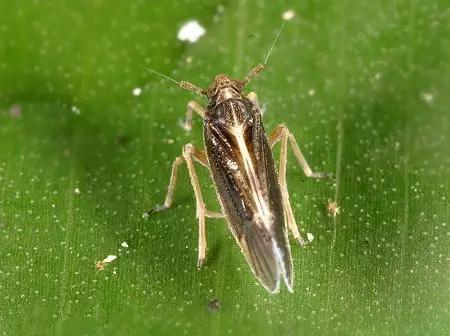
Crush the tea seed cake, soak it in an appropriate amount of boiling water for 24 hours to leach out the saponins and alkaloids, filter it, dilute it with water 20 to 30 times and spray it. This can effectively control pests such as planthoppers, snails, and aphids.
NO8 Peach Leaf Water – Controls termites, mole crickets, grubs, etc.
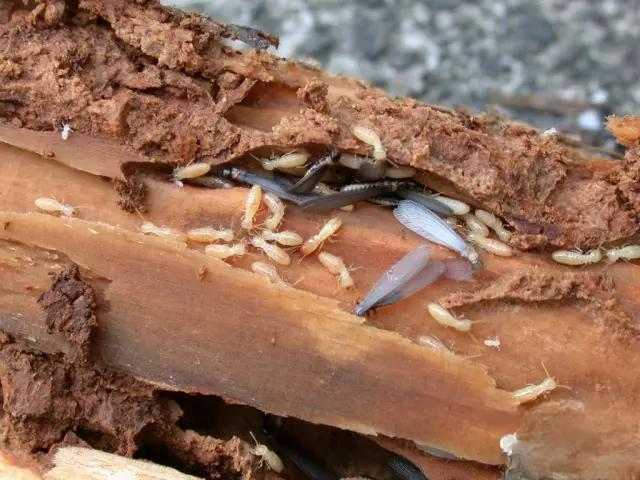
Take 1000g of peach leaves, add 5000g of water, boil for half an hour, filter and spray to control moths, aphids and soft-bodied pests. Dry peach leaves, grind them into powder and bury them in potting soil to control termites, mole crickets, grubs and other underground pests.
NO9 Orange Peel Water – Controls aphids, spider mites, etc.
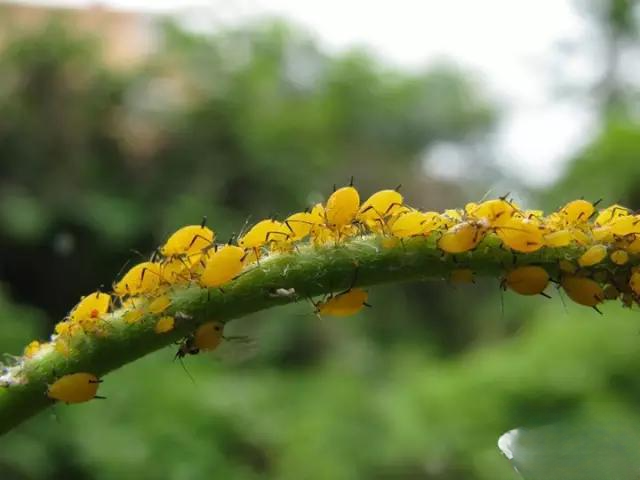
Take 5 dried orange peels, place them in a teacup, add an appropriate amount of warm water, cover and soak for 24 hours. After filtering, spray the solution to kill aphids, spider mites, etc.
NO10 Medicated Oil - For Aphid Control
A diluted (400-500 times) solution of eucalyptus oil can kill aphids. NO11 tomato leaf extract—prevents flies, aphids, and spider mites .
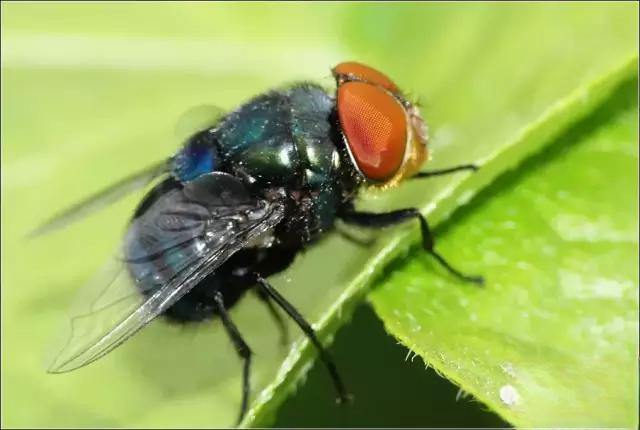
Crush 50g of fresh tomato leaves, add 150g of water and soak for 6 hours. After filtering, spray the filtrate to control flies, aphids, spider mites, etc., and also to repel them.
NO12 Egg Oil Emulsion—Prevents Small Pests
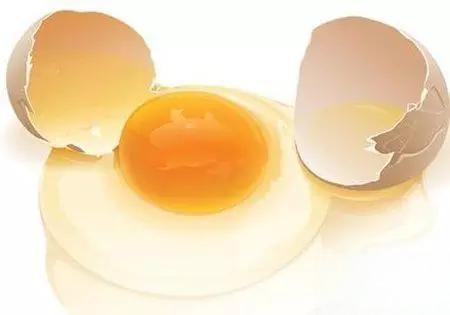
Take one egg white (remove the yolk), add 200ml of water to make egg white water, then add 2-3ml of cooking oil and shake up and down. When no oil droplets are visible on the surface, it is ready for application. Do not store. It is best to use it at noon on a sunny day.
NO.13 Beer - Snail Repellent
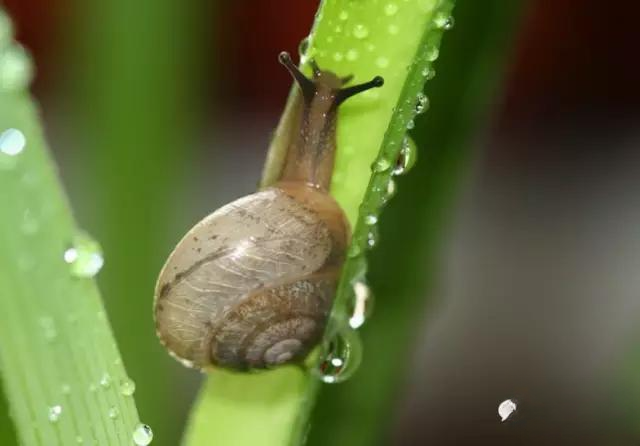
If you pour beer into a shallow dish placed under the soil of a flowerpot, a snail that crawls in will drown.
NO14 Garlic paste—for rat control
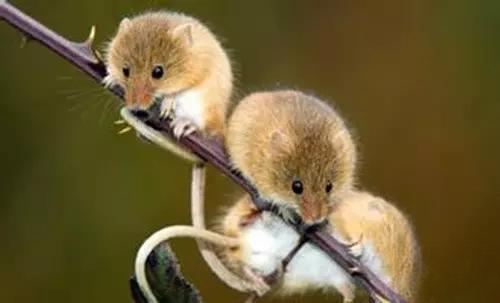
Crush a clove of garlic and mix it with a tablespoon of pepper in 500ml of water. After an hour, spray the mixture on the leaves and flowers to prevent rodent infestation.
NO15 Mosquito Coil - For the Prevention of Red Spider Mites
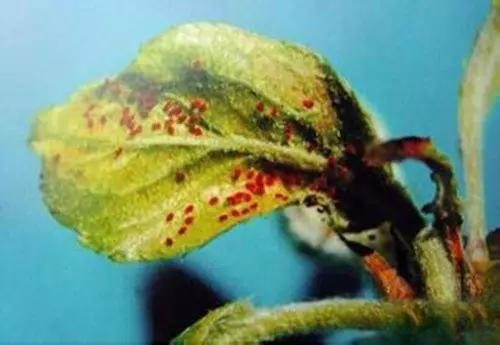
Light a mosquito coil containing pyrethrum, place it in the orchid pot, seal the pot with a plastic cover, and fumigate for 1 hour to kill the egg masses and adult insects.
Six methods for preventing and controlling flower diseases
NO.1 Leek Water—Cures Dark Spots
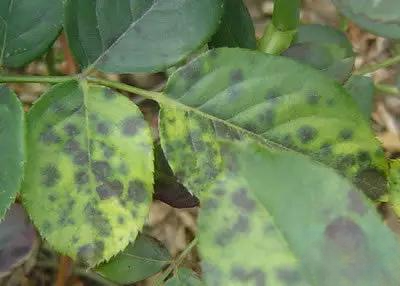
Chop chives, extract the juice, dilute it 50 times with water, and spray it once or twice a day for a week to cure black spots.
NO2 Ginger Water — Prevents sooty mold and rot disease
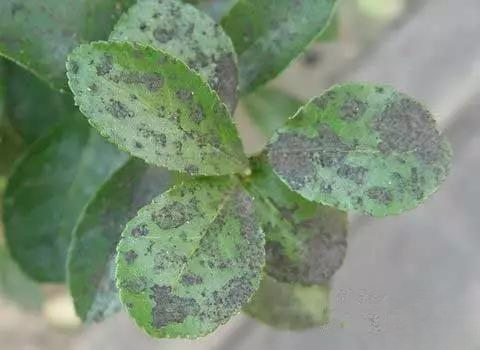
Crush fresh ginger, extract the juice, dilute it 10 to 15 times, and spray it to prevent sooty mold, rot, and the germination of other pathogenic spores.
NO3 lime water—prevents anthracnose, stem blight, and soft rot.
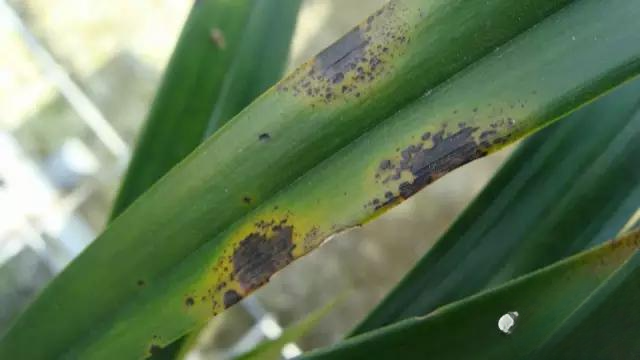
Quicklime mixed with water to form a lime emulsion, which can be sprayed to prevent and control diseases such as anthracnose, stem blight, and soft rot.
NO4 Vinegar water—Prevents powdery mildew and black spot disease
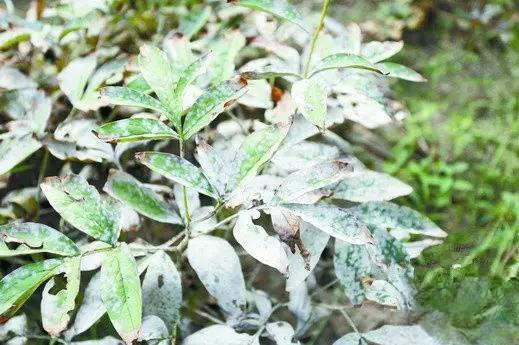
Spraying the leaves with a 5% vinegar solution can prevent powdery mildew, black spot, and other diseases.
NO5 Rice Vinegar Solution – Prevention and Treatment of Downy Mildew, Powdery Mildew, and Black Spot
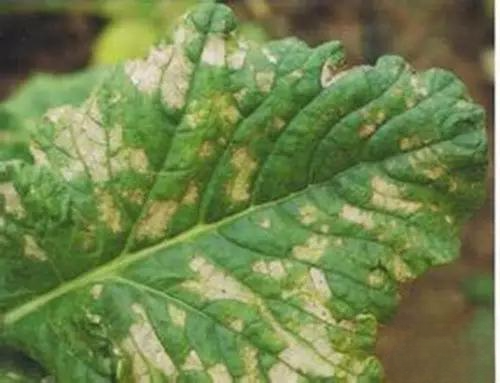
Rice vinegar contains abundant organic acids, which have a good inhibitory effect on pathogens. Spraying the leaves with a rice vinegar solution diluted 150 to 200 times, once every 7 days or so, for 3 to 4 consecutive times, can prevent downy mildew, powdery mildew, black spot, and other diseases.
NO6 Baking soda solution—for the prevention and treatment of powdery mildew
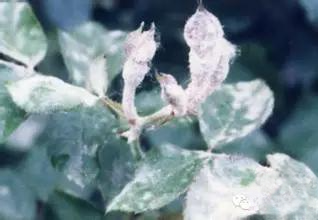
Take 5g of baking soda (also known as sodium bicarbonate), dissolve it in a small amount of alcohol, then add about 1000g of water to make a 0.5% concentration solution. Spray the plant with this solution to prevent powdery mildew.
The prevention and control of pests and diseases emphasizes "prevention first, integrated management".
★ Do not bring diseased or pest-infested plants home; when propagating, choose plant materials that are free of disease and pests.
★ Improve and strengthen cultivation management to ensure robust plant growth and enhance their resistance to diseases and pests;
★ Improving the environmental conditions of plants, such as improving ventilation and light, can reduce the likelihood of some pests such as scale insects and aphids, as well as many diseases; loosening the soil and controlling watering can reduce the likelihood of root rot.
★Observe your plants frequently, and deal with them as soon as possible if you find any signs of pests or diseases in your houseplants;
★Try to remove diseases and pests manually, or spray homemade "medicines" to treat and kill diseases and pests. For example, use a soft brush to brush away scale insects attached to the branches and leaves of the plant; wash aphids and spider mites with tobacco water or very diluted soapy water; prune and remove withered or diseased branches, leaves and flowers, and promptly remove fallen dead branches and leaves to prevent the growth and spread of pathogens.
★Based on the types of diseases (insects) that have occurred, purchase targeted low-toxicity pesticides from the flower and tree market and use them according to the instructions.
★For plants that are prone to disease or frequently get disease, fungicides should be used for prevention before the usual disease season.