2011 Horticulture Trends and Planting Concepts
The beauty of a garden lies in the fact that it offers different scenery every year, every month, and even down to the smallest detail of each day; last year's scenery will be different from this year's, and what will the garden be like next year? Gardening, like fashion trends, also has its own popular trends; of course, no matter how garden styles change, we will all have our own unique understanding of the garden we create: you may not follow garden trends, but you cannot be ignorant of them.
Planting Philosophy:
- Focus on garden cultivation
Focus, no expertise required.
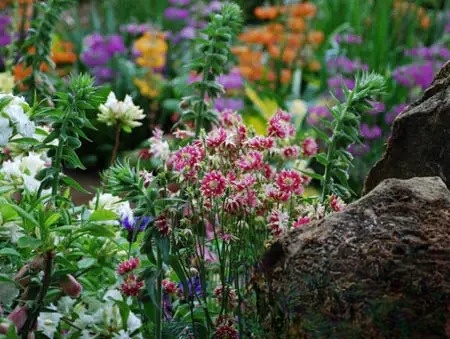
When it comes to garden planting philosophy, we must quote the classic saying of flower enthusiast "Zhan Hua Ran Cao": "Focus, but not professional"—in fact, there is no need to be professional—after all, the ideal of a garden owner is not to become a professional botanist—is it necessary to remember those long and obscure Latin names?
Planting in a courtyard or garden differs from farming; the former prioritizes enjoying the scenery, while the latter aims for livelihood and income. Without focus, it's difficult to create a garden with abundant blooms. A garden requires careful design and maintenance; however, we don't need to be overly professional, as enjoying the process of garden life is more important than studying plants. A garden is neither a collection of varieties, nor a miniature botanical garden, nor a swarm of seedlings; it's a space where you can relax your mind; aesthetic appeal is undoubtedly the primary element.
- Organic farming
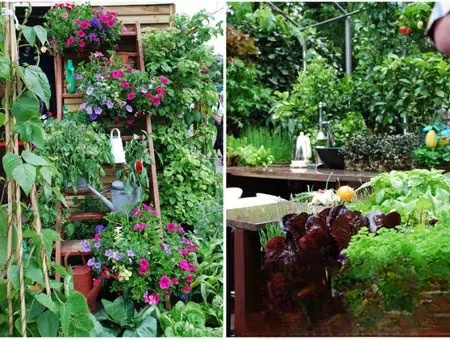
In recent years, organic farming has become increasingly popular due to its safety and eco-friendliness. This trend is not only reflected in large-scale agricultural production but is also gradually permeating private garden cultivation. Even plants not grown for consumption require owners to follow natural laws and adhere to the principles of organic farming. Organic farming avoids the use of chemical fertilizers, pesticides, growth regulators, and other artificial interventions throughout the entire plant growth process, relying solely on natural methods. For example, green manure is used to increase soil organic matter; natural fertilizers are used to balance soil minerals; and earthworms are used to loosen the soil, increasing its water retention capacity and oxygen content. Planting two or more types of plants together, similar to intercropping in farmland, can reduce soil erosion, naturally control garden weeds, and attract beneficial insects.
- Low carbon and environmentally friendly
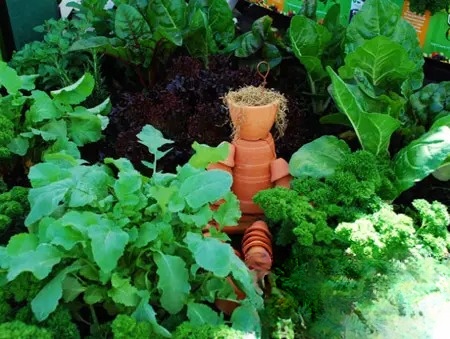
"Low-carbon living" refers to minimizing energy consumption in daily life to reduce carbon emissions, especially carbon dioxide, thereby reducing air pollution and slowing ecological degradation. In this regard, gardens should be small bases for eliminating carbon footprints. When designing a garden, minimize hardened soil and replace cold paved surfaces with lush, soft lawns; allow the soil to breathe freely over a larger area and ensure healthy water circulation. In garden maintenance, cherish every drop of water, using kitchen wastewater to irrigate plants; reuse discarded items to decorate the garden landscape; many small details can make a garden even better.