20 Super Clever and Creative Gardening Ideas
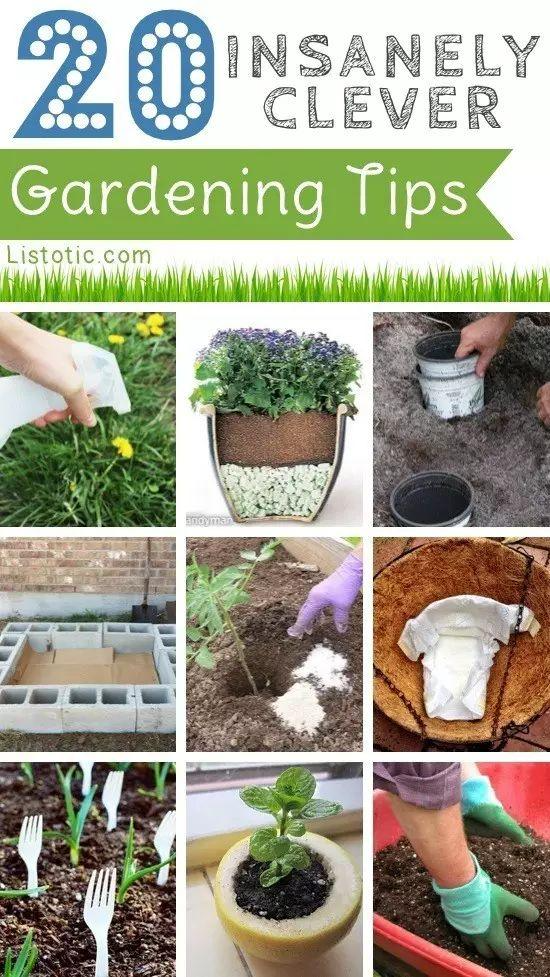
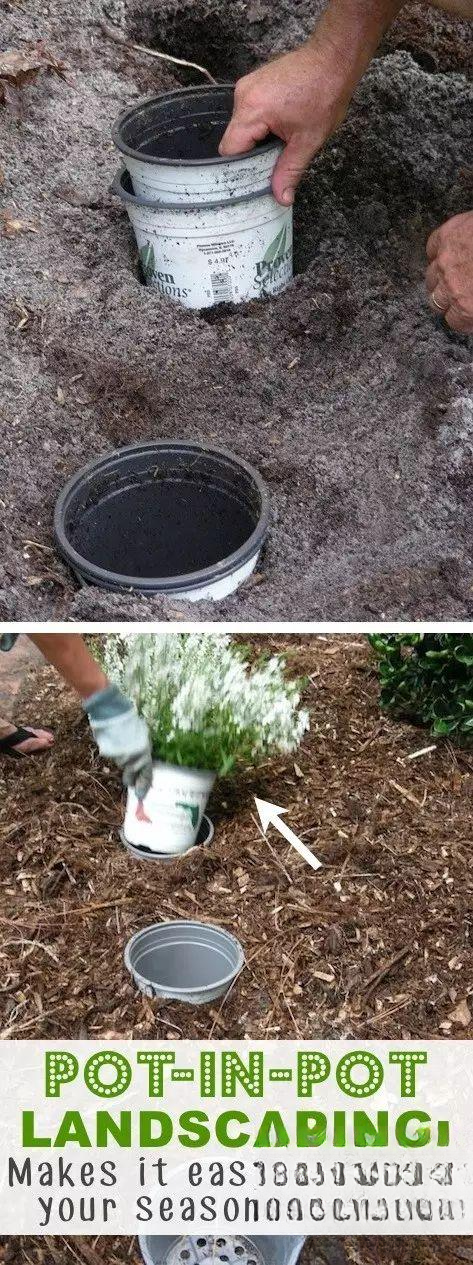
Potted Planting
When I need to change plants in the garden, I don't need to dig them up with a shovel because I have a very good method. I put one flowerpot into the garden soil, and then put another pot with the plant into the first pot that is already in the soil. This way, changing plants in the garden is very simple and easy; you just need to take the plant out with its pot.
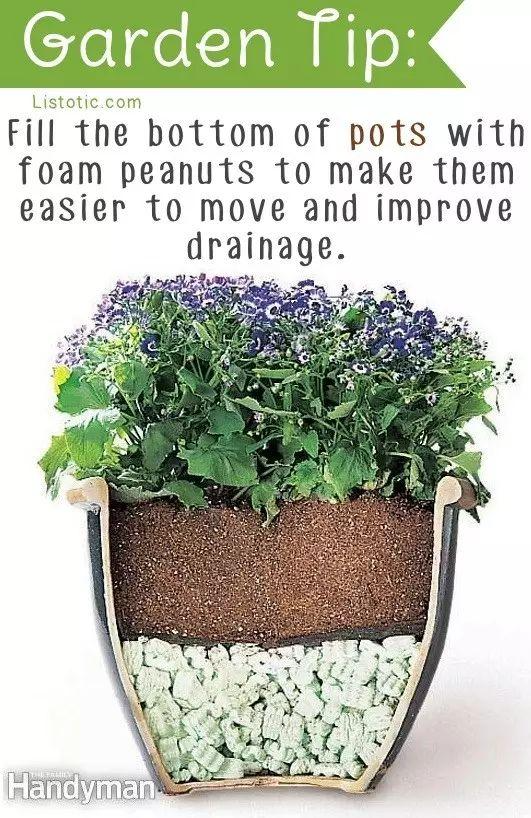
2. Place the foam plastic into the planting pot.
Placing foam plastic at the bottom of the planting pot helps improve drainage. Foam plastic is lightweight, making it easy to move large potted plants. It's also cheaper than soil. However, be sure to cover the foam plastic with a layer of geotextile fabric to prevent soil from leaking to the bottom of the pot.
Note: You can find it by searching for "geotextile" on Taobao.
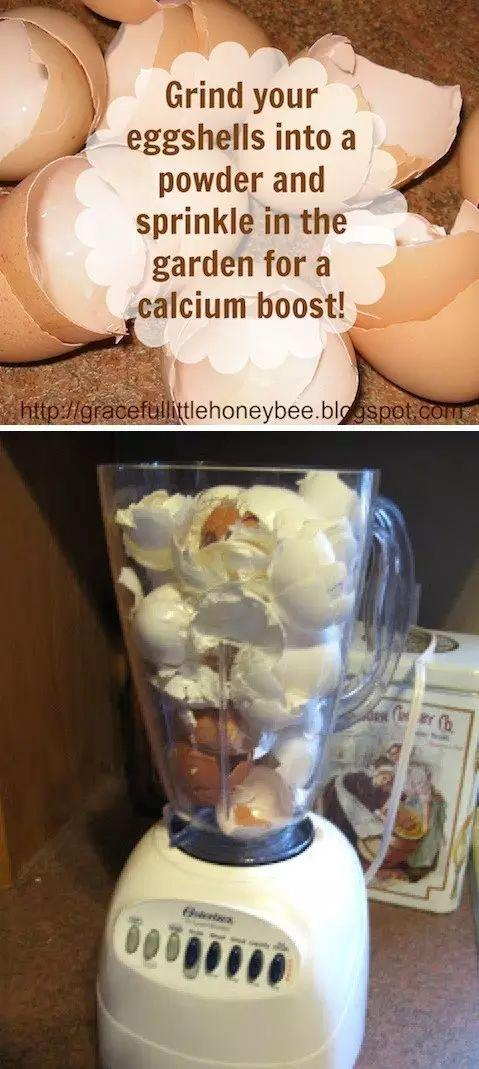
3. Boost calcium in your garden
Crush eggshells with a grinder and then scatter them in the garden to supplement the garden with calcium. After being crushed, the calcium in the eggshells is more easily absorbed.
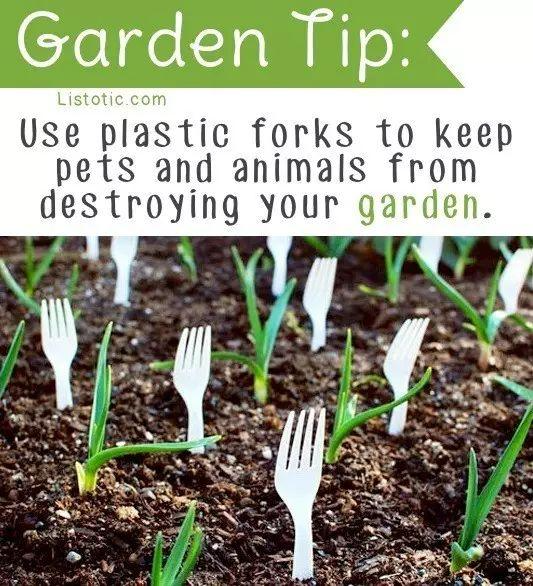
4. Makes pets afraid to approach plants.
Animals, especially cats, can turn your garden into a dumping ground. Sticking plastic forks around the plants you want to protect can deter animals and protect your fruits, herbs, and vegetables.
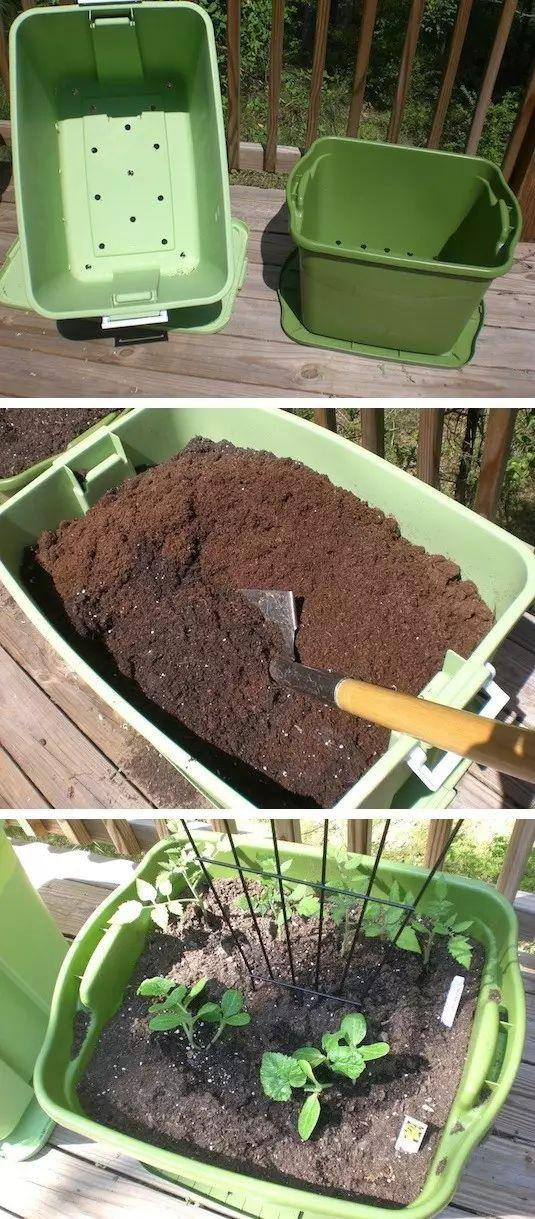
5. Plastic Container Garden
Not having a yard doesn't mean you can't garden. Using appropriately sized, lightweight, perforated plastic storage boxes as planting containers is a great idea. Place some peanut shells at the bottom of the box and cover it with geotextile fabric; this makes the box lightweight and easy to move. They're suitable for planting on a small apartment balcony.
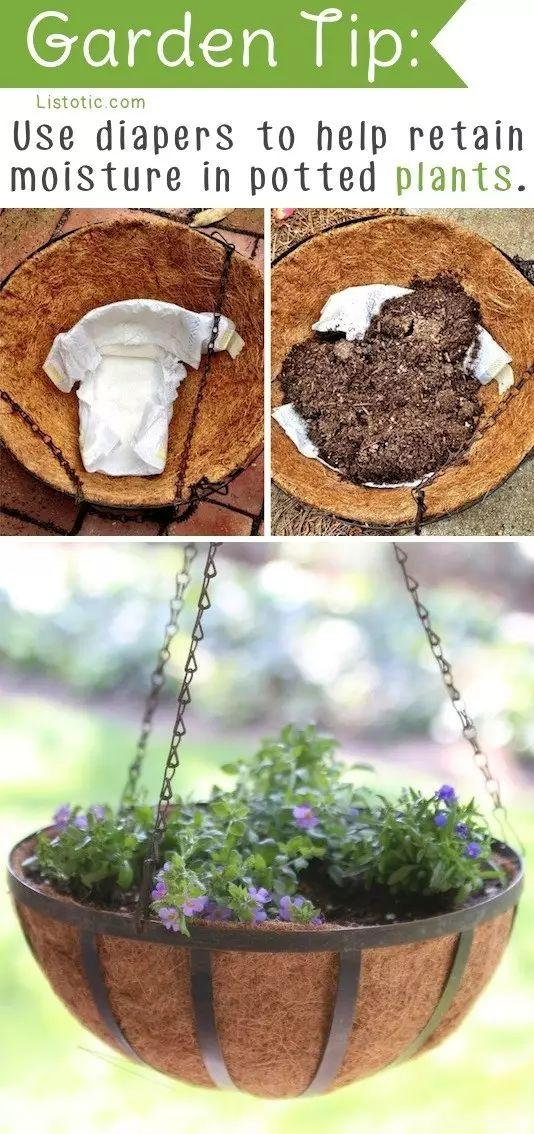
6. Diapers help retain soil moisture.
Placing diapers in potted plants helps retain soil moisture, especially for plants that need daily watering in the summer.
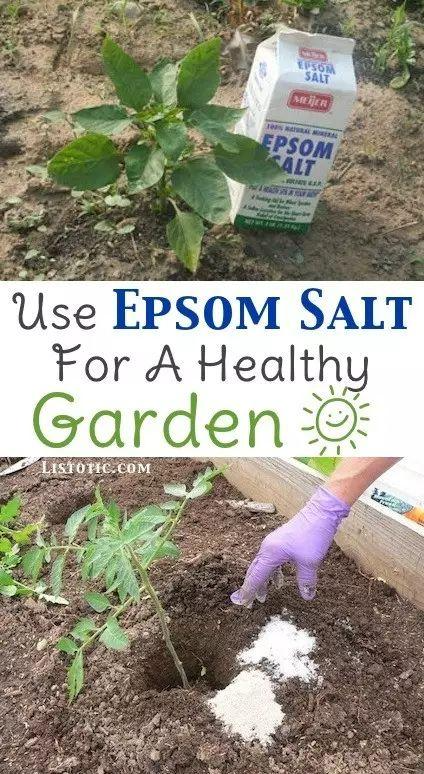
7. Clever use of Epsom salt in the garden
Epsom salt has many uses, including making your garden healthier and more beautiful. Rich in magnesium and sulfates, which are important for plant growth, Epsom salt can be added to a watering can and used to water potted plants once or twice a month. You can also sprinkle it in the soil to help seeds germinate better. Epsom salt is particularly beneficial for tomatoes and peppers, as they often lack magnesium, especially when potted. Add one tablespoon to the soil when planting for the first time, and then add more Epsom salt as the plants mature.
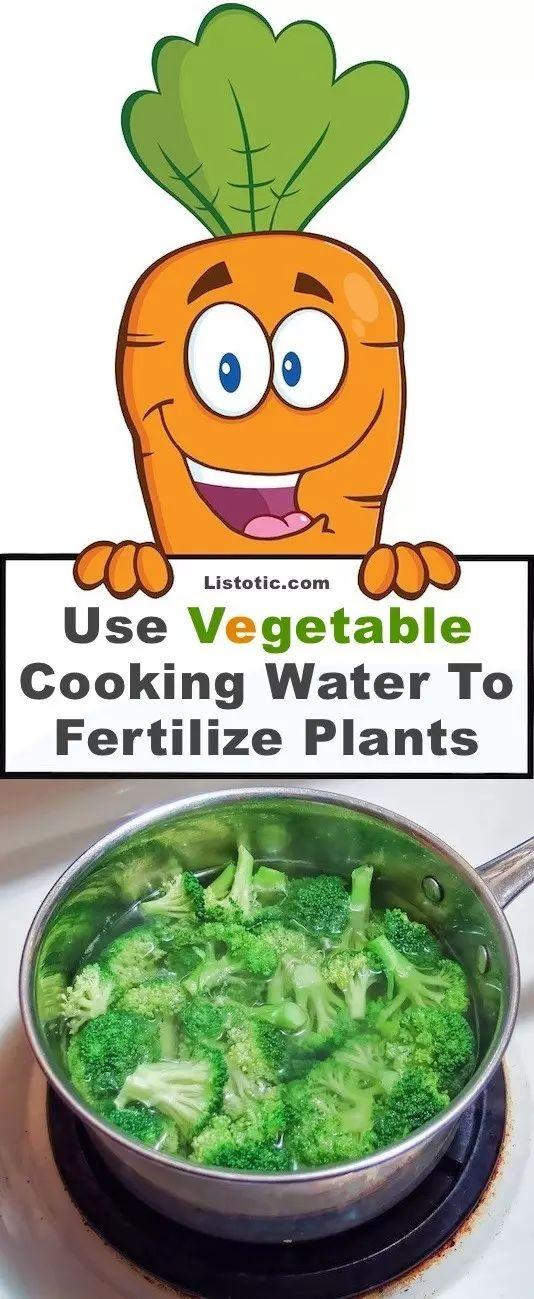
8. Fertilize your plants
Save the broth you use to cook plants! The nutrient-rich broth promotes lush growth. After it cools, use it to water your garden and potted plants; this will make them even greener.
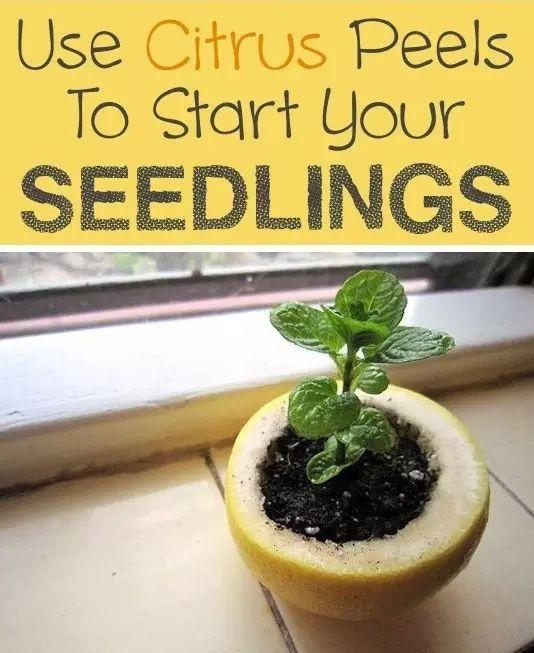
9. Use grapefruit peel as a seedling pot.
The reason for raising seedlings inside a grapefruit peel isn't because the peel is cute, but because it provides soil and nutrients for the plant. Don't forget to dig a drainage hole at the bottom of the peel.
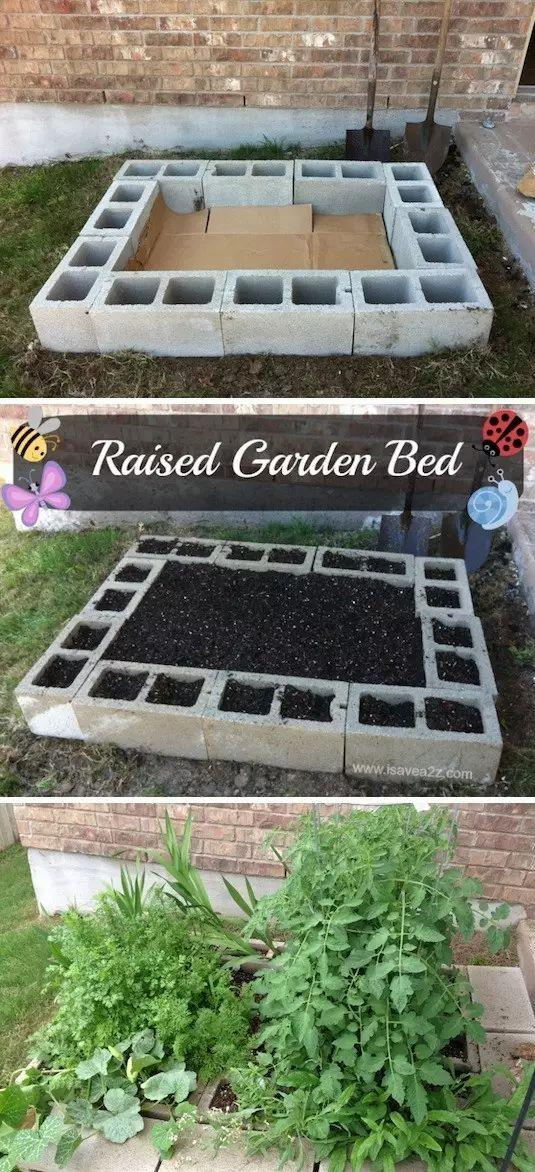
10. Cement bricks for flower beds
I like flower beds made of cement bricks because they have holes that allow me to plant different herbs separately.
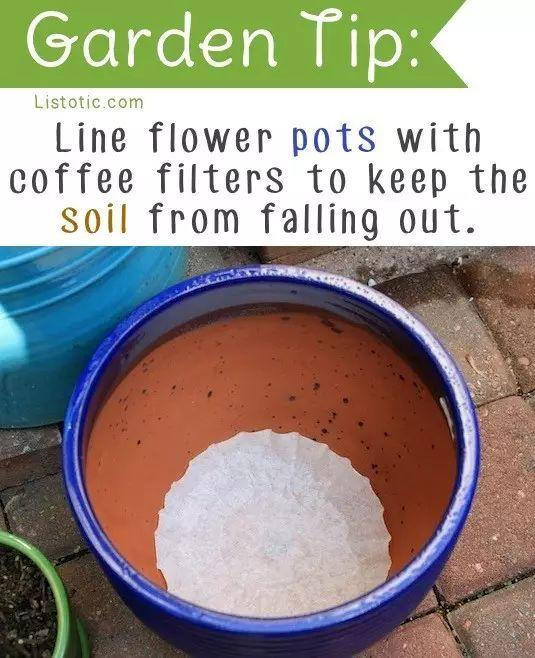
11. Line the bottom of the bowl with coffee filter paper.
I love this idea of growing plants indoors! Every time I water the plants, some soil drains out of the holes at the bottom of the pot, making a mess on the floor. Excess water can be drained through coffee filter paper, which helps retain the soil.
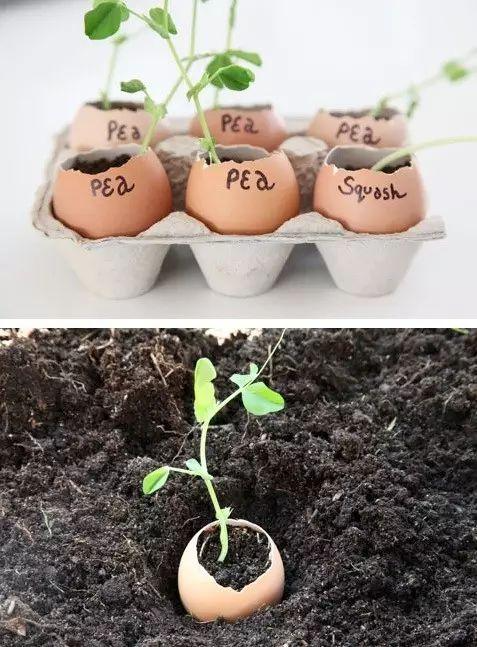
12. Using eggshells for seedling cultivation
Indoors, seeds can be placed in eggshells for seedling cultivation. Why are eggshells the perfect planting containers? Eggshells are free, they provide the seeds with calcium for vigorous growth, you can write the seed's name on the eggshell to easily distinguish the germinated plant, and it's convenient to transplant seedlings with eggshells to the garden.
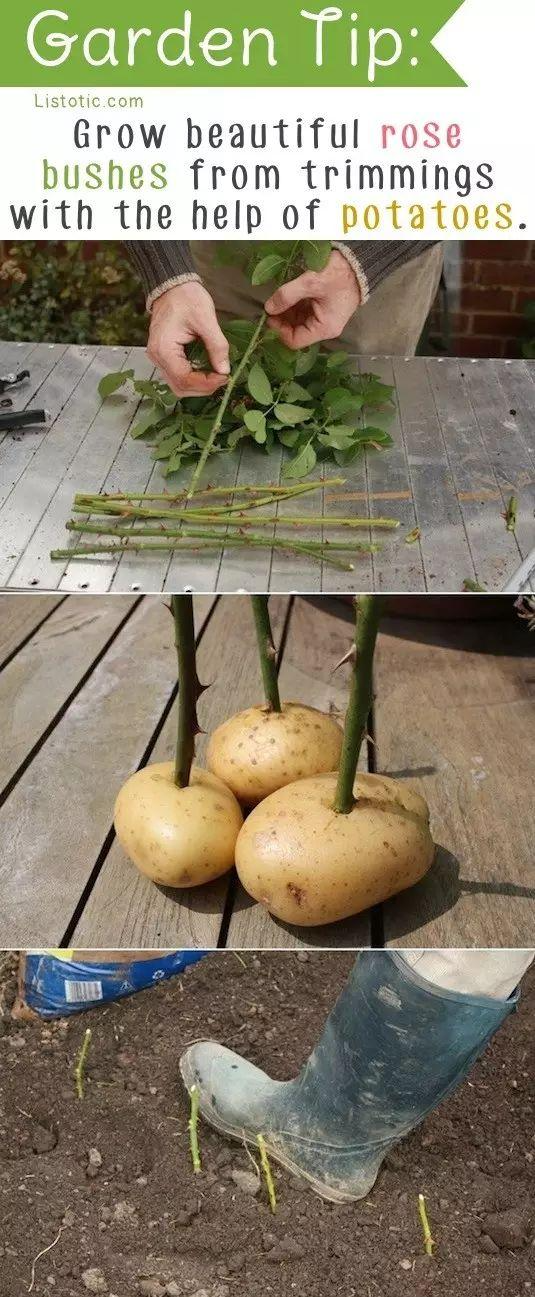
13. Insert rose cuttings into potatoes
Inserting the bottom of a rose cutting into a small potato helps retain water and promotes root growth.
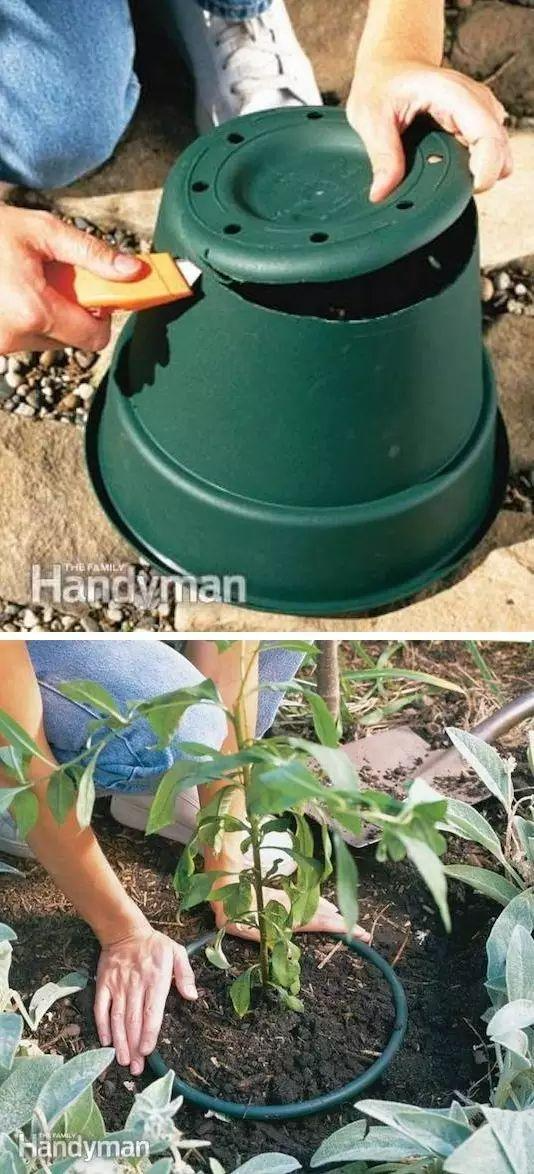
14. Prevent plants from growing excessively.
Many people are troubled by certain plants growing wildly in their gardens. It's actually quite simple: cut off the bottom of the plastic flowerpot and bury it in the soil! Use this to prevent fast-growing plants from growing too large and invading your garden. This simple gardening technique limits the growth of the plant's root system, allowing for better control over the plant's size and protecting surrounding plants from being invaded.
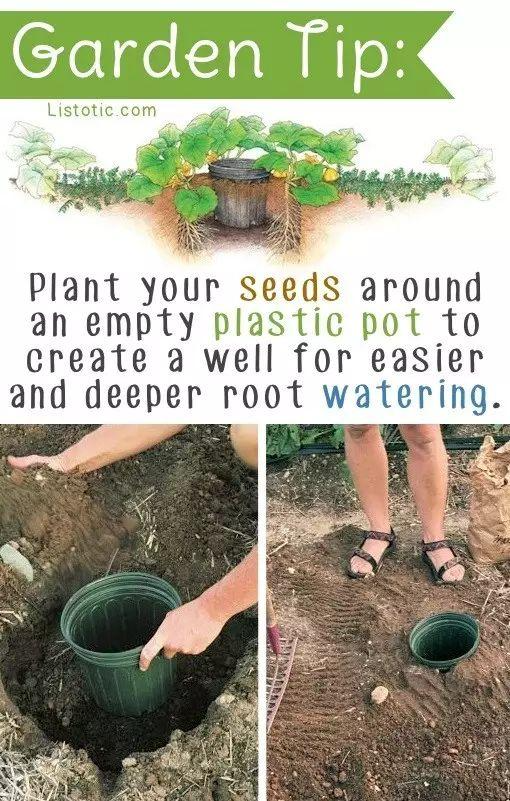
15. Plastic potted plant irrigation system
Placing an empty plastic bucket with some holes in the center of your garden is like creating a well, making it easy to irrigate the deep roots. This is especially useful for pumpkins, as the roots can grow deeper and deeper into the soil as they mature, and in dry climates, water can hardly reach the bottom of the roots.
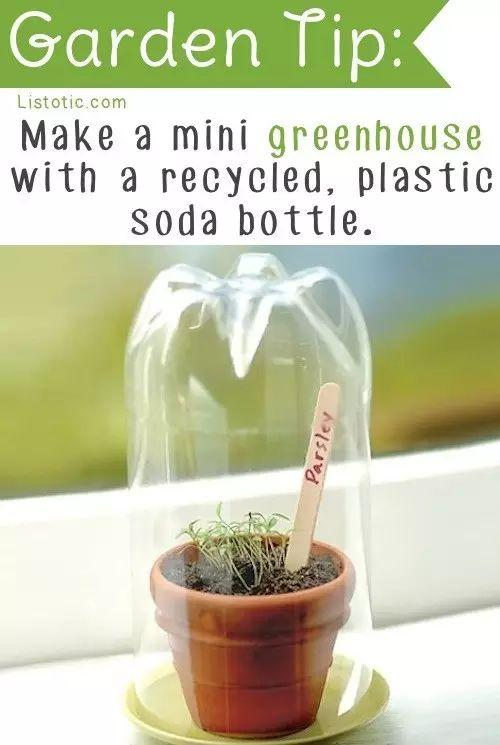
16. DIY Mini Sunroom
When the temperature for seedlings is not high enough, take 3/4 of a plastic cola bottle and use it to make a mini sunroom to cover the small flower pots for seedlings. Let your children participate in making this; they will definitely enjoy it.
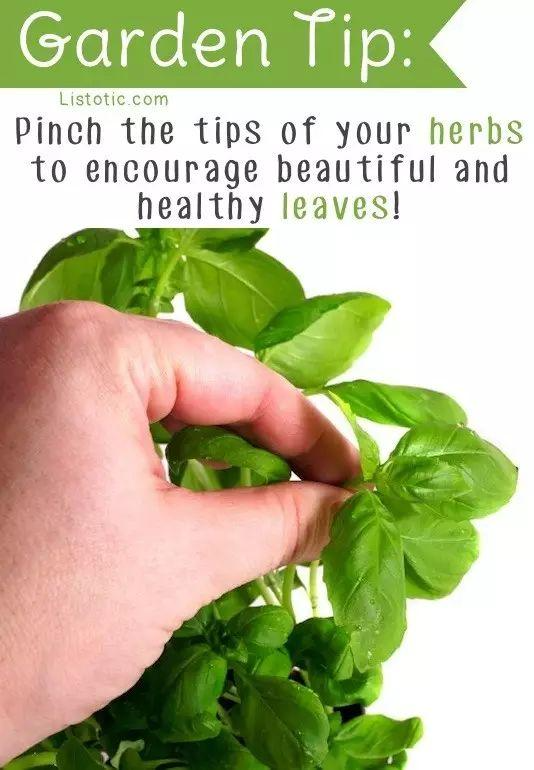
17. Pinching herbs
Besides basil, pinching the top of an herb stem can stimulate the growth of beautiful and healthy leaves. Pinch off the very top leaves and flower stalks of an herb to encourage new growth. Herbs have a natural ability to survive and reproduce, so when they are pinched, they send a signal to dormant leaf buds to grow. How incredible is how this works!?
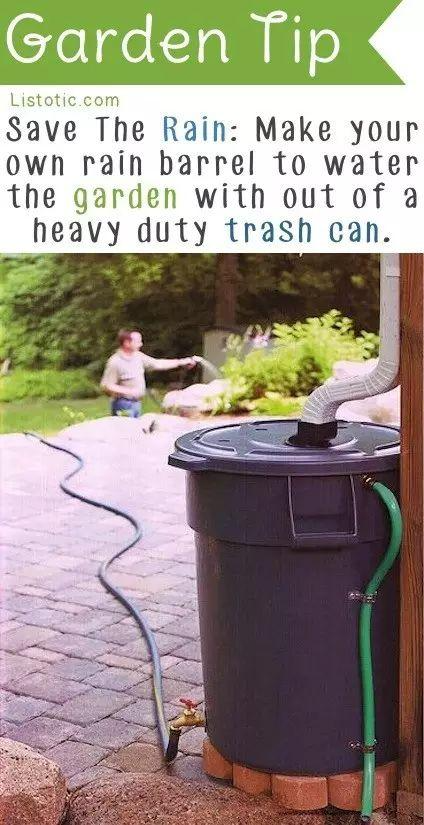
18. Homemade rainwater collection bucket
What a resource-saving way to use it! You can collect rainwater directly from your house's drainpipe and store it in a rainwater collection bin, then use it to water your garden, lawn, and potted plants. To make it, all you need is a large trash can, a drill, a pair of pliers, and some other basic tools. Easy to do!
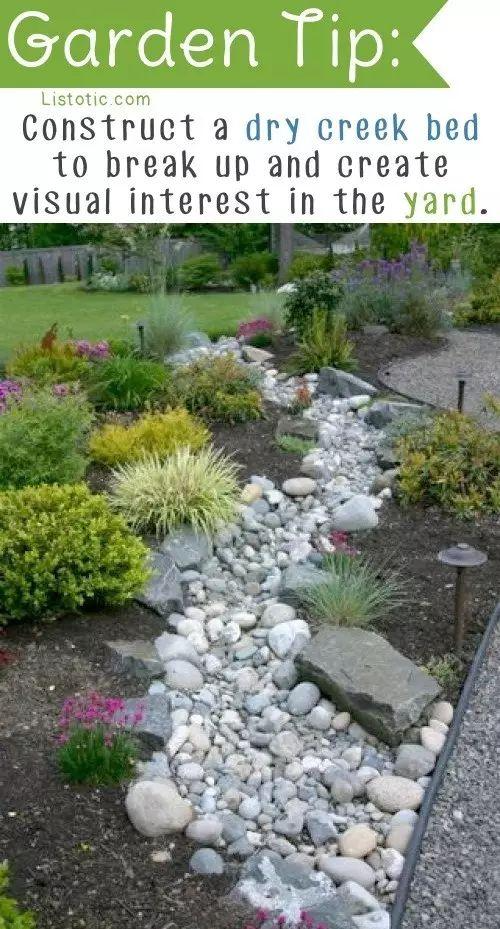
19. Dry Streambed Garden
Consider creating a dry stream to add visual interest! A dry stream can divide your yard into different areas. Not only does it look beautiful, but it also facilitates drainage on slopes and is low-maintenance.
20. Make your own weed killer at home
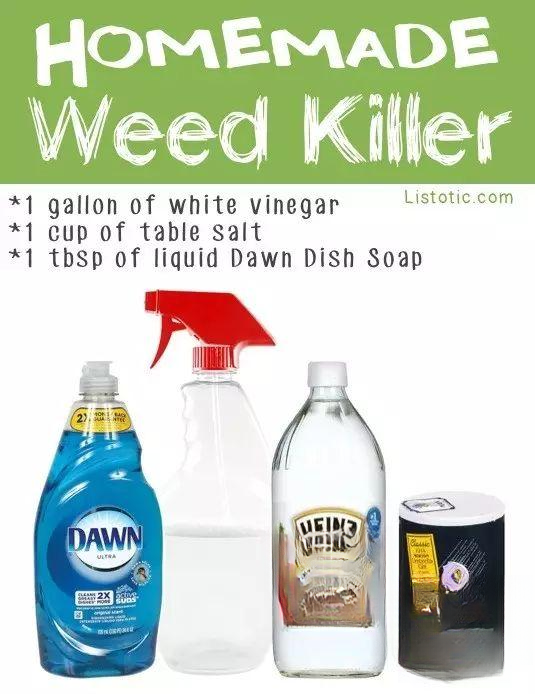
Make your own weed killer using 1 gallon of white vinegar, 1 cup of salt, and 1 tablespoon of liquid soap. Use it with caution, as herbicides can damage grass. It's best to apply it to roadside cracks, landscape boundaries, and other areas where no flowers or other plants are growing. The effect will be more noticeable if you spray the weed killer directly into sunlight.
Inspired by these creative ideas? Let's give them a try and see how great they are!
