20 littleknown facts about the remote corners of the Earth – this familiar world is beyond my comprehension.
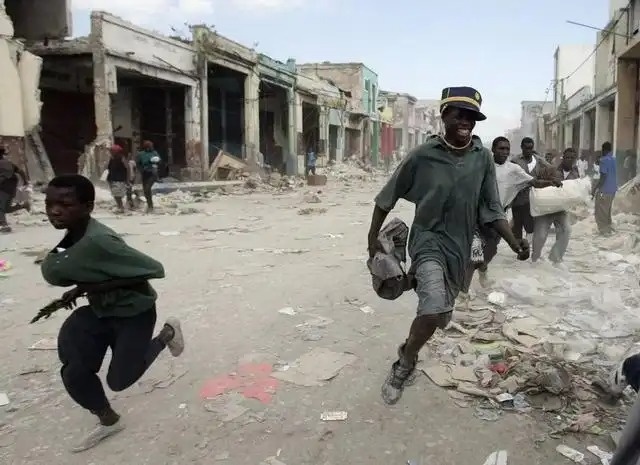
1. In human history, the first republic established by Black people was Haiti, which gained independence in 1804. However, Haiti is now the poorest country in the Western Hemisphere, with a GDP per capita of just over $800. The neighboring Dominican Republic, located on the same small island as Haiti, has a GDP per capita of nearly $8,000, ten times that of Haiti.
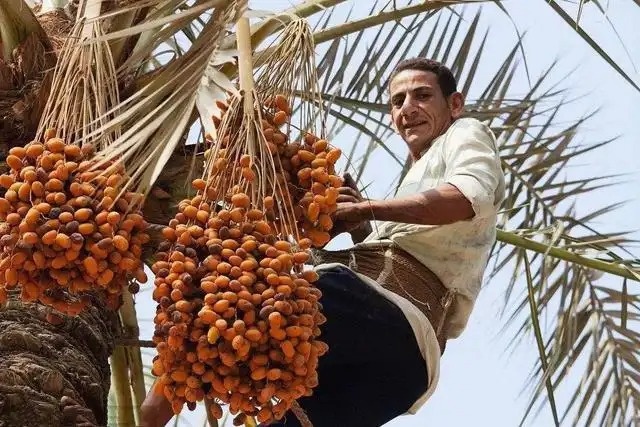
2. Iraq is the birthplace of dates, and the historic Iraqi city of Basra is also known as the "City of Dates." Iraq has more than 30 million date palm trees, producing 400,000 tons of dates annually, second only to oil in terms of export volume.
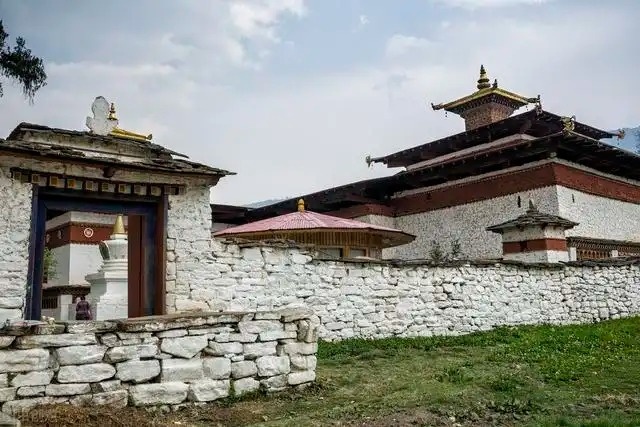
3. Bhutan is the only country in the world with a nationwide smoking ban. Smoking is prohibited not only in public places but also at home! If someone is suspected of smoking at home, the police have the right to break down the door. Smokers may face fines ranging from 1,500 to 7,000 rupees, and in serious cases, may be taken to prison to help them quit smoking.
4. You might not know this, but Disneyland is actually the second-largest buyer of explosives in the United States! Of course, Disney mainly uses the explosives it buys to enhance the effects of its shows.

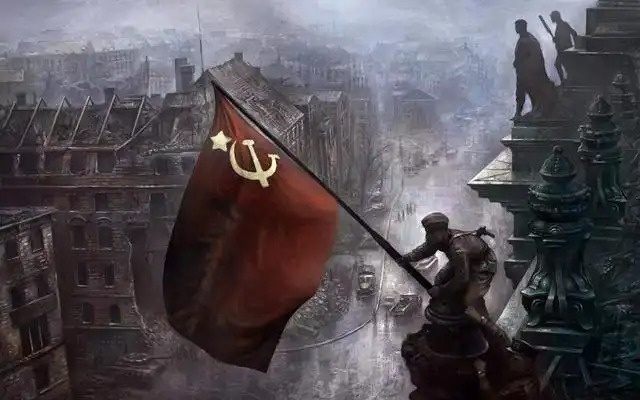
5. In 1954, Soviet leader Khrushchev actually submitted formal written materials to NATO, applying to join the alliance. The Russians' thinking was clear: since NATO's existence was a threat to Eastern Europe and the Soviet Union, if the Soviet Union became a member, that threat would naturally disappear. However, the Americans ultimately rejected the idea, deeming it too far-fetched. But the Russians never gave up; later, Yeltsin and Putin both applied to join NATO several times, but were all rejected.
6. The highest-flying athlete is in Austria. On March 18, 2017, Austrian ski jumper Stefan Kraft leaped into the air and "flew" for a full 253.5 meters, setting a world record.

7. In 2008, Canada declared that Santa Claus's home is the Arctic Circle within Canadian territory. Later, in 2010, the Canadian government reiterated that "Santa Claus is a legal citizen of Canada." Tens of thousands of children write to Santa Claus every year, using "Canada, Arctic, HOH OHO Santa Claus" as the return address, and every child receives a reply.

8. Laos still has 80 million landmines of various types buried beneath its soil. In this country that reveres Bodhi, Buddha statues and bombs coexist, and suffering and innocence are intertwined. The Lancang River flows through us, and it also flows through them.

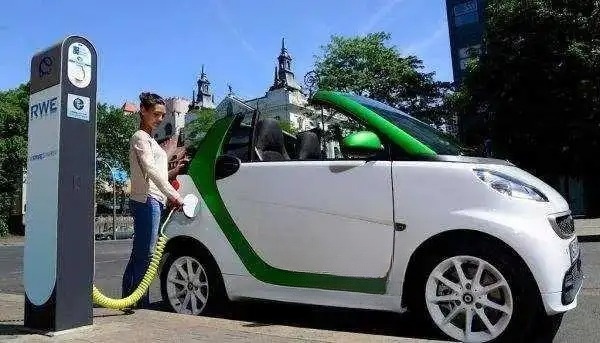
9. Norway, as a high-latitude country, experiences exceptionally cold winters with very low temperatures. Such climatic conditions would normally be highly unfavorable for the use and promotion of electric vehicles. However, Norway is the first country in the world where electric vehicles account for more than half of all sales, reaching approximately 54%! The reason is simple: gasoline is too expensive here…
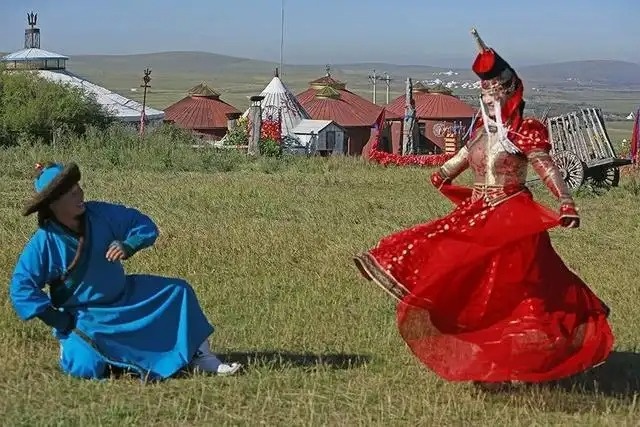
10. China not only has Henan Province, but also Henan County. However, Henan County is not located in Henan Province, but in Qinghai Province. The full name of Henan County is Henan Mongolian Autonomous County, which has the highest proportion of Mongolian population in China.
11. The Irish are the second largest ethnic group in the United States, making up 11.9% of the total population. This group is particularly active in politics; about one-third of all U.S. presidents have Irish ancestry!

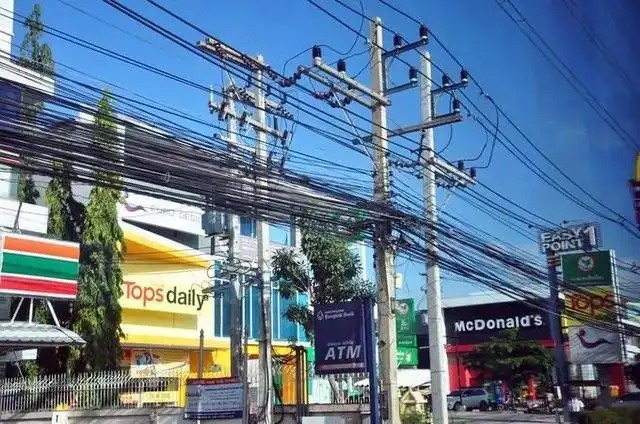
12. In Thailand, we can see square utility poles in many places. According to locals, the reason they are square is mainly to prevent snakes from climbing up them and causing short circuits.
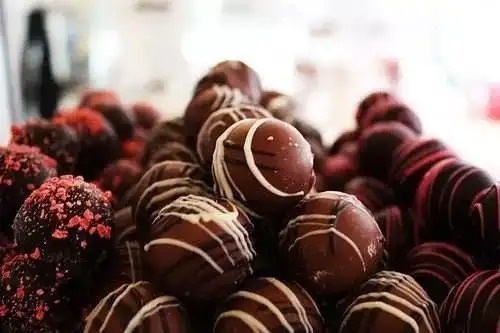
13. Europeans really have a special fondness for chocolate. Germany is the country that consumes the most chocolate in the world every year, with each German consuming nearly 20 kilograms of chocolate per year on average.
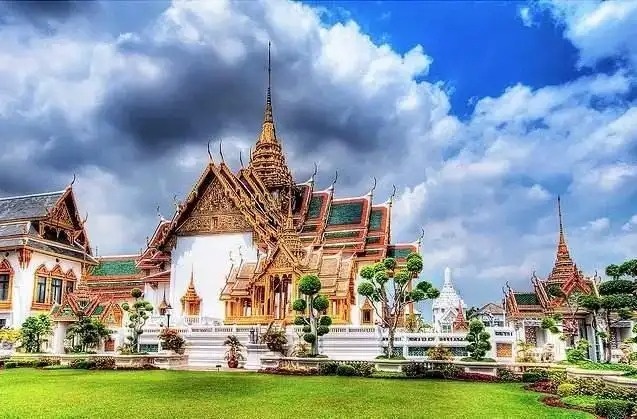
14. When traveling in Thailand, be careful not to talk about the Thai royal family. Article 112 of the Thai criminal code contains the crime of "contempt of the monarchy." Thai law protects the status of the Thai King and the royal family. Criticizing the King or the royal family is punishable by imprisonment without parole, and foreigners are no exception.
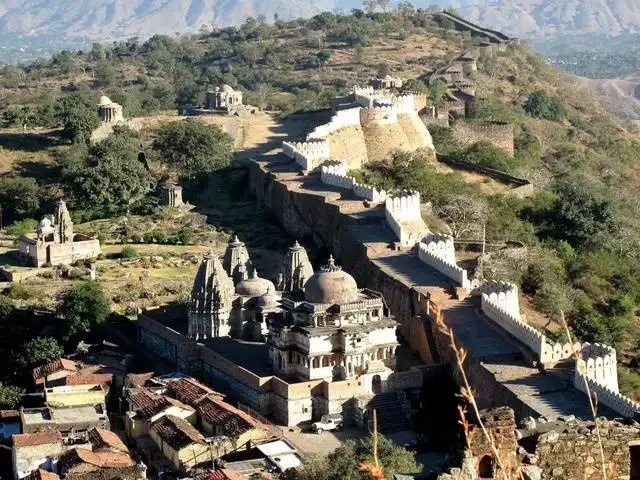
15. Iran has the world's second longest wall. The Iranian Wall is located in what is now northeastern Iran and was built during the Sasanian Dynasty. At that time, the Persian Empire was at its peak. The Persians wanted to conquer the Romans but were worried about being stabbed in the back by the White Huns, so they built a wall as well.
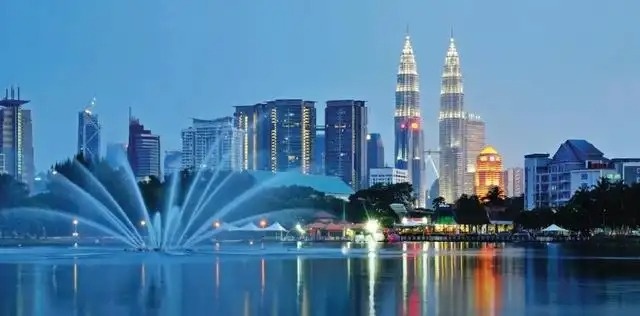
16. Malaysia is one of the countries, outside of China, that has best preserved Chinese culture. There are even some independent secondary schools in Malaysia that use Chinese as the primary language of instruction. However, diplomas obtained from these schools are not recognized by two countries: Israel and Malaysia.
17. The potted plants in Japanese banks are all subject to height restrictions; they are all 1.7 meters tall. Besides being aesthetically pleasing, this also serves to help the police solve cases. If a bank were ever robbed, Detective Conan and his friends could use the potted plants to determine the robbers' height.

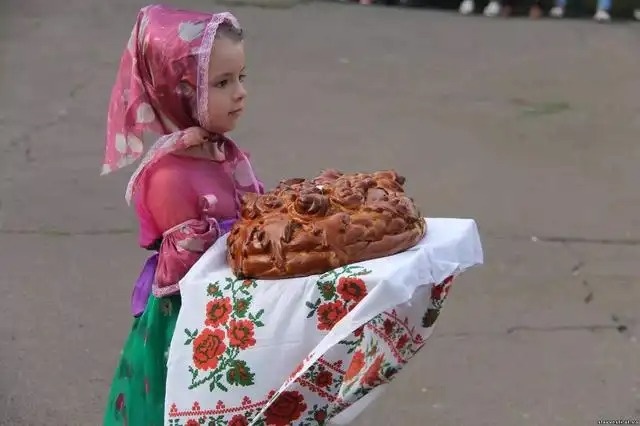
18. Russians traditionally welcome distinguished guests with bread and salt as a gesture of warmest hospitality. It is said that salt was once a scarce and expensive commodity in Russian history, and using it to welcome friends best embodies the enduring nature of friendship. According to Slavic tradition, bread and salt are indispensable to a person's life.
19. What are the consequences of not returning borrowed books in the United States? In Charlton, Massachusetts, a five-year-old girl borrowed two books from the library. Because they were overdue, the library called the police to come and collect them from her home. The little girl was so frightened that she burst into tears and returned the books promptly.

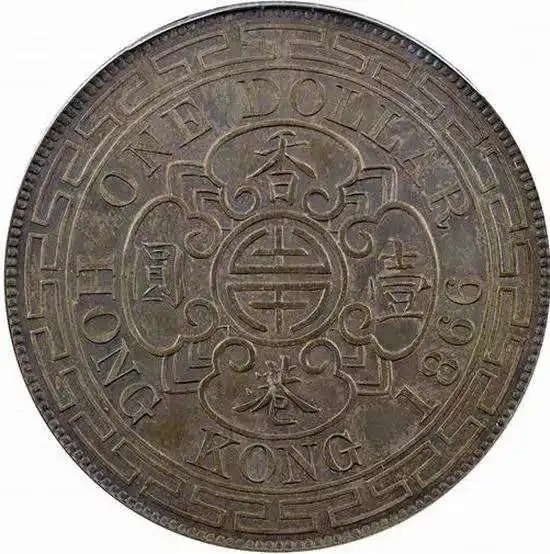
20. The Japanese yen is the currency unit of Japan, also known as the yūryū (円), established on May 1, 1871. However, according to later research by scholars, the character "円" in the yen's name actually originated from Hong Kong. It was Hong Kongers who first used "円" as a unit of measurement for silver coins, and the silver dollars produced locally were inscribed with the words "Hong Kong One Dollar." The Japanese later adopted this usage.