19 cleaning tips your housekeeper won't tell you—they're all practical and you won't need to clean for six months!
Introduction
When doing housework, do you always feel like you have more cleaning products than you can use, yet the results aren't always ideal? There are some simple tricks that use everyday items to easily tackle all kinds of stubborn stains and odors! For example, salt and salad oil can restore the dining table to its shine, and toothpaste can make teaware look brand new. Want to know more eco-friendly and money-saving cleaning tips? Then come and take a look!
Salt and salad oil can remove stains from the table.
Salt can be used not only for seasoning but also for cleaning. For example, if you accidentally spill something on the table, you can apply a little salt mixed with salad oil to the stain, rub it gently, and then wipe it with a cloth to easily remove the stain.
At this point, you might wonder if it's really necessary. Since there are already convenient and quick stain removers, why go through all that trouble?
However, sometimes we need to consider the overall environmental factors. Generally speaking, the more cleaning agents we use in our daily household life, the worse it is, since they contain various chemical components.
Furthermore, we don't always notice stains in time; by the time we do, a long time may have passed, making it challenging for both the cleaning agent and the stain to be completely removed.
This is where the salt comes in handy. With just a little extra effort, you can easily restore the stain to its original state.
Another crucial reason is that we always try to use less when using these cleaning agents, but using less will reduce the cleaning effect.
Items like salt never lose their value no matter how they're used, because they're meant to be used. Even if we can't use them for cleaning, we can still use them for cooking.
Teaware can be cleaned with toothpaste.
Brewing tea is a daily habit for many people, but tea stains place high demands on teaware. Many people buy beautiful teaware but rarely use it, mainly because cleaning teaware is a headache.
There are actually many simple ways to clean teaware, such as using toothpaste to clean teaware that has been used for brewing tea. However, there is a prerequisite: you should not choose just any kind of toothpaste.
Because there are many types of toothpaste on the market, some of which contain pigments and abrasive particles, prolonged use can cause irreversible damage to teaware.
Instead, choose a mild, unscented toothpaste, preferably a children's toothpaste. Squeeze some toothpaste onto the container, add water, and rub with a sponge; the tea stains will be removed quickly.
Cleaning using discarded materials
Many household cleaning tips actually utilize recycled materials. This is not only environmentally friendly but can also save money to some extent.
Over time, you'll find that your household expenses have decreased significantly compared to before. Of course, the discarded items we're referring to here are everyday items like toothbrushes, newspapers, and plastic bags.
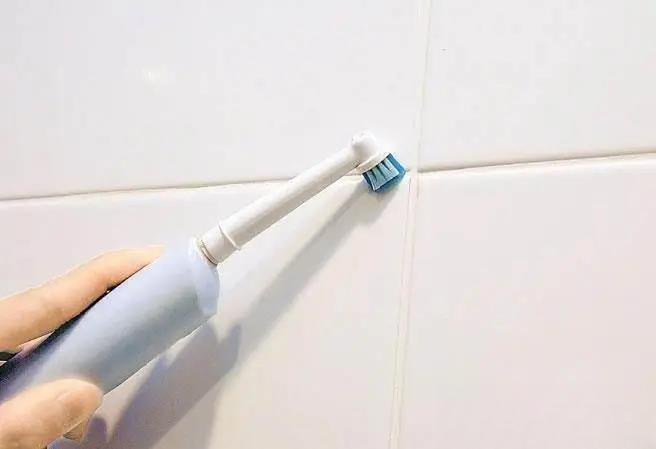
Because these items are small and compact, they are more flexible and convenient to use. For example, if there are some hard-to-reach corners in the house that are difficult to clean, picking up a toothbrush can easily solve the problem.
For example, dust and grime often accumulate in the seams between carpets and walls, which can affect the living environment if not cleaned in time.
At this point, simply apply a little detergent to the toothbrush and scrub back and forth to effectively remove the dirt. Because the toothbrush bristles are of moderate softness and length, they are both gentle on the hands and very convenient to use.
Remove household odors
Traditional cleaning agents often struggle to completely remove certain peculiar household odors. However, we can try new methods, exploring different materials and targeting various odors.
If you experience a pungent odor after using new furniture, try placing several thermos flasks of hot water in the room. Once the water cools down, you'll find the smell diminishes significantly.
To deal with the smell of cooking oil fumes, put a few pieces of white vinegar in the pot and boil it, then open the windows for ventilation. After ten minutes, turn off the heat and wipe the bottom and lid of the pot with a cloth dampened with vinegar.
Now, put a pot of boiling water on the stove and bring it to a boil. After the whole process is over, you will find that the smell of cooking oil has completely disappeared.
In addition, vinegar can neutralize the odors produced by alkaline substances, and it is also very effective for moldy walls and floor tiles.
20 Home Cleaning Tips
Tip 1: Cleaning aluminum products
Aluminum items in the home often develop a dull oxide layer after frequent use, making them look unclean. In this case, you can try wiping them with beer.
Beer contains yeast and sodium acetate, which can accelerate the dissolution of the oxide layer on the surface of aluminum products. Simply wipe the surface with a clean cloth dampened with beer a few times.
Tip 2: Cleaning clothes
Many people like to add more laundry detergent when washing clothes, thinking that this will make the clothes cleaner.
Experts point out that too much laundry detergent is not only bad for clothes, but may also leave residue. Normally, only one-fifth of the detergent is needed.
Additionally, if you find oil or ink stains on your clothes, it's best not to rinse them with hot water before treating them, as hot water will cause the stains to penetrate into the fabric fibers.
Cold water, on the other hand, can effectively prevent stains from spreading outwards.
Tip 3: Cleaning the mirror
If you don't wipe your mirrors regularly, they will accumulate a lot of dust and grime. In this case, you can try wiping them with newspaper.
Tear the newspaper into pieces, soak them in water, and then gently wipe the stains on the mirror. This will not only thoroughly remove the dirt but also restore the mirror to its original shine.
Tip 4: Cleaning the range hood
Range hoods can also become greasy after prolonged use. At this time, we can try picking up an onion.
First, cut the onion in half and turn on the range hood to start wiping. Replace with a new onion when both halves become dry and have no fruit.
This not only removes grease but also neutralizes the distinctive flavor of onions.
Tip 5: Remove carpet odors
If carpets aren't cleaned for a long time, they will accumulate a lot of dust, bacteria, and odors. Buying cleaning products from the supermarket can certainly solve the problem.
However, we can also try making our own natural cleaner. Simply mix white vinegar and water in a 1:1 ratio in a spray bottle.
When spraying, simply maintain a safe distance and spray evenly.
Tip 6: Cleaning stubborn stains
There are always some stubborn stains on the floor, such as chewing gum, crayons, and fruit puree. In this case, we can try wrapping the stain with plastic wrap first.
Wait about ten minutes before removing the plastic wrap, then wipe it with a damp cloth.
Tip 7: Removing tea stains
After prolonged use, tea stains will form on the spout of the teapot. Simply drip a few drops of lemon extract onto the stains and add a suitable amount of salt.
Simply scrub back and forth with a sponge or brush.
Tip #8: Cleaning your electric iron
Over time, the surface of an electric iron can become contaminants such as wax and lint from clothing. In this case, we can plug the iron in and preheat it.
Sprinkle salt evenly on the surface of the iron with a clean cloth. Once the salt turns dark gray, unplug the iron and wipe it clean with a damp cloth.
Tip 9: Cleaning Glass Cups
It's easy to miss the grime inside a glass if you don't look closely. In this case, simply put a slice of lemon in the glass, sprinkle in some salt, and start scrubbing.
Once the foam turns white, rinse thoroughly with clean water.
Tip 10: Removing Ink Stains
What should you do if your clothes or tablecloth get stained with ink? Simply soak the stain in milk for about half an hour.
Remove it and let it air dry to see if the ink has been completely absorbed. If it is not completely removed, repeat the above steps until it is completely removed.
Tip #11: Cleaning the Toilet
The bathroom is one of the easiest places in the home to get dirty and messy. What aspects of the bathroom should you pay attention to?
You can try brewing a packet of lemon tea and putting it in the toilet. This can thoroughly clean the toilet, kill bacteria, and remove odors.
Tip 12: Cleaning Dust
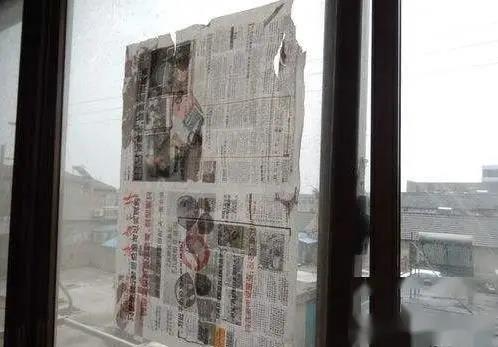
If you don't open your windows for ventilation for a long time, dust will accumulate. In this case, you can try tearing a piece of damp newspaper from the window and sticking it to the back of the screen.
Remove the newspaper after about five minutes.
Tip 13: Restore the curtains
What can you do if your curtains turn yellow due to nicotine or other reasons? You can try soaking the curtains in salt water for about an hour.
Salt can effectively neutralize the alkaline substances from nicotine and restore the original color of curtains.
Tip 14: Removing Adhesive Hooks
While adhesive hooks are convenient, they are difficult to remove once stuck to the wall. In this case, you can try soaking cotton in vinegar and stuffing it into the gaps between the hooks.
After about ten minutes, you will find that the hook has loosened. At this point, simply pull it down to completely remove it.
Tip #15: Cleaning the Microwave Oven
Microwave ovens can accumulate food residue after prolonged use. To resolve this, try placing a lemon inside and heating for 1-2 minutes.
The citric acid in lemons can thoroughly soften food residue and remove odors and kill bacteria.
Tip #16: Cleaning the Air Conditioner
Air conditioners that are not cleaned for a long time are prone to bacterial growth and blockages. In this case, you can try opening the air intake and spraying mist around the lock/control lock.
Turn the air conditioner on and then turn off the power plug. This will thoroughly remove dust from inside the air conditioner.
Tip #17: Cleaning Walls
There are always some stubborn stains on the walls at home, such as crayon drawings and fruit puree. In this case, you can try wiping them with a damp cloth to see if you can wipe them off completely.
If it's still stubborn, you can dip an old toothbrush in detergent and scrub it back and forth.
Tip #18: Organizing the bookshelf
Bookshelves can get very dirty after a long time of displaying books. At this point, you can try using a vacuum cleaner to see if it can remove all the dust.
If it can't be completely sucked up, you can dip a brush in soapy water and scrub it back and forth.
Tip #19: Caring for Flower Pots
After prolonged use, flower pots may accumulate dirt, water stains, and other dirt on their surface. In this case, you can try soaking the flower pot in soapy water for about an hour.
Simply remove it and wipe it clean with a cloth.
Tip #20: Cleaning your TV
Televisions are easily dusty when placed in the living room. You can try wiping the television with a damp cloth with a few drops of rapeseed oil on it.
Conclusion
These home cleaning tips are so practical, especially for busy families. They save both time and effort—why not give them a try? Have you tried these methods? If you have your own cleaning secrets, feel free to share them in the comments section! Don't forget to like and support this post so more people can benefit!