15 photos revealing the truth about peanut pests and diseases in the midtolate stages.
We've discovered that peanut processing can encounter numerous problems in its later stages. We'll briefly explain these issues with pictures and text, hoping it will be helpful.
I. Major Leaf Diseases of Peanuts
1. Brown spot disease
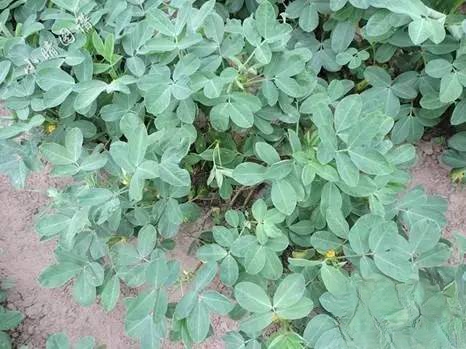
Brown spot disease generally occurs more frequently on the middle and lower leaves, especially after rain.
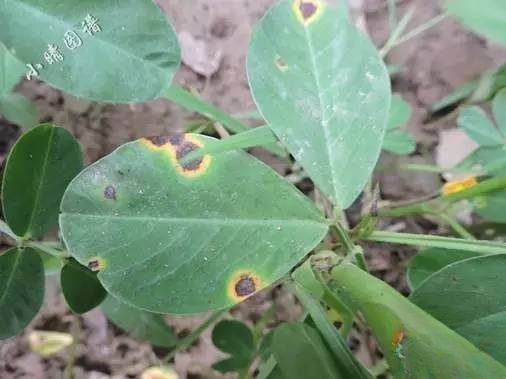
Typical characteristics of peanut brown spot disease: black dots on the center of the brown spot, surrounded by a yellow halo.
2. Reticulosis
The main characteristics of peanut net blotch are: net-like lesions on the leaves, but without halos.
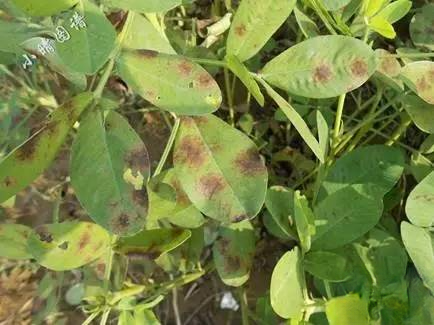
Reticulosis is severe.
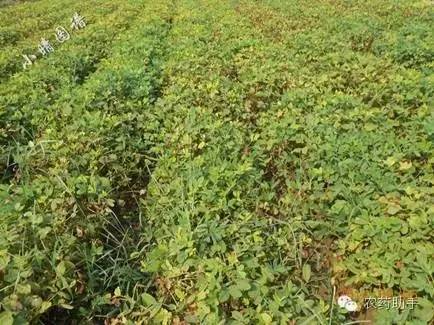
Due to untimely prevention and control, net blotch disease has occurred on a large scale, resulting in severe yield reduction. Therefore, diseases must be treated when necessary; there is no room for laziness.
3. Scabies
First and foremost , it must be emphasized that peanut scab is a fungal disease , a fungal disease , a fungal disease , not a bacterial disease .
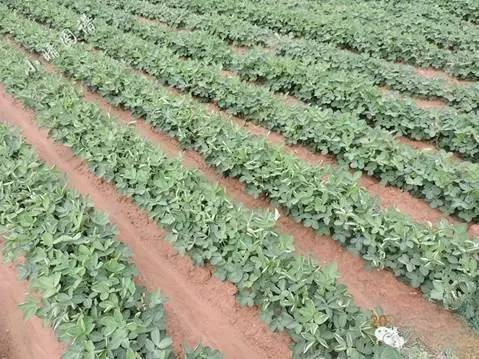
Characteristics of peanut scab disease – leaf curling
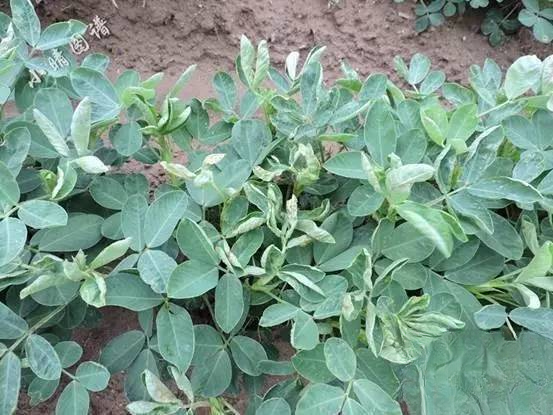
Characteristics of peanut scab: leaf deformities with inconspicuous lesions.
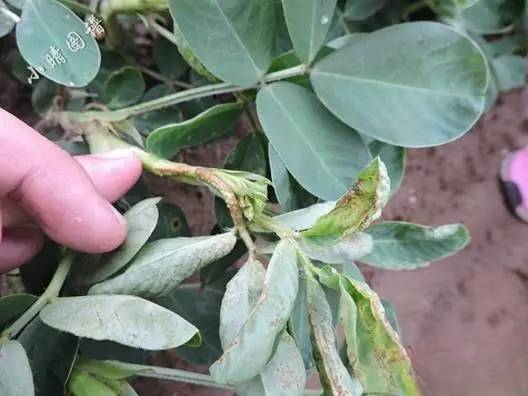
The defining characteristic of peanut scab disease is the presence of scab-like lesions on the stem.
4. Other foliage diseases
Other leaf diseases of peanuts, such as rust, are not listed here.
Peanut leaf disease treatment plan
Peanut leaf diseases are mostly fungal diseases, which generally occur more frequently after the rainy season, which is also a critical period for determining peanut yield. Therefore, it is important to take good care of prevention and control and not be careless.
Control measures: Protective fungicides such as mancozeb/chlorothalonil + triazole fungicides, for example, we use 80% mancozeb/78% borax-mancozeb + propiconazole. Of course, you can also use chlorothalonil/pyraclostrobin/pyraclostrobin + propiconazole/tebuconazole/hexaconazole, etc. For the middle and late stages of peanut growth, it is recommended to use triazole fungicides, which can prevent diseases and control growth, thus increasing yield.
II. Major Pests of Peanuts
During periods of high temperature and drought, thrips, aphids, spider mites, and whiteflies are more prevalent, while bollworms and other lepidopteran larvae often appear more frequently after rain.
1. Red spider
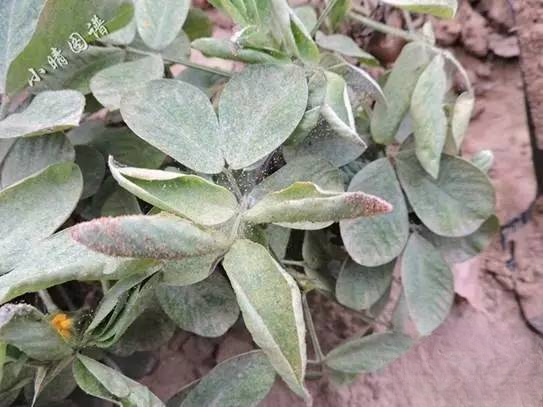
Red spider mites damage peanuts, making the leaves look like they're being frosted; in severe cases, they can spin webs and cause the leaves to curl.
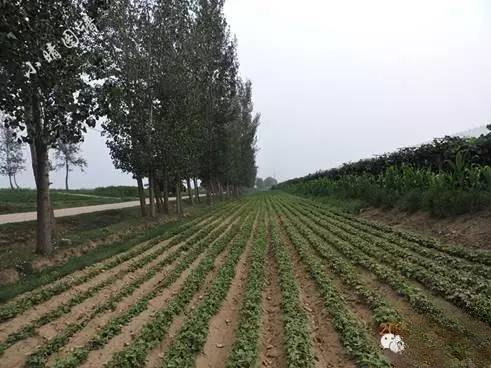
Peanuts are "stuck" and fail to grow after being infested by red spider mites, which seriously affects yield.
2. Thrips
Peanut growers must be suffering terribly from thrips.
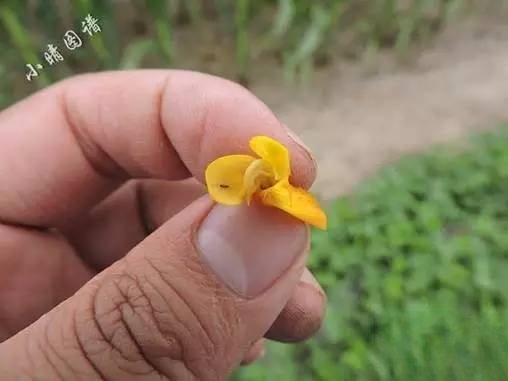
Thrips are generally more abundant in flowers.
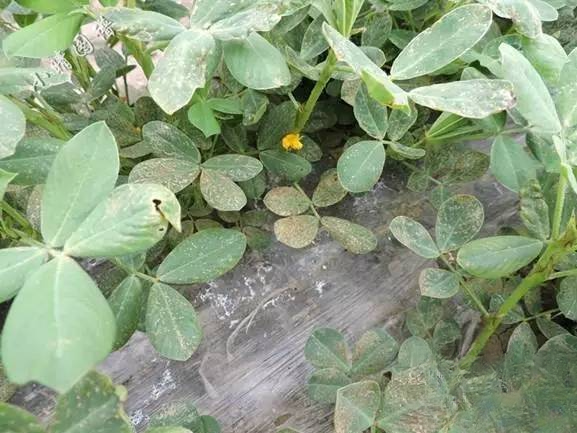
Symptoms after leaf damage
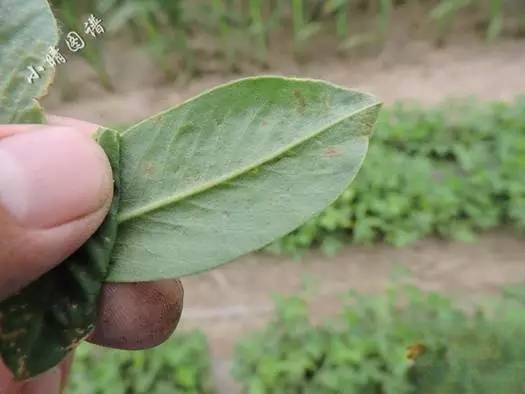
They generally dislike light and prefer to grow on the underside of leaves.
3. Peanut aphids
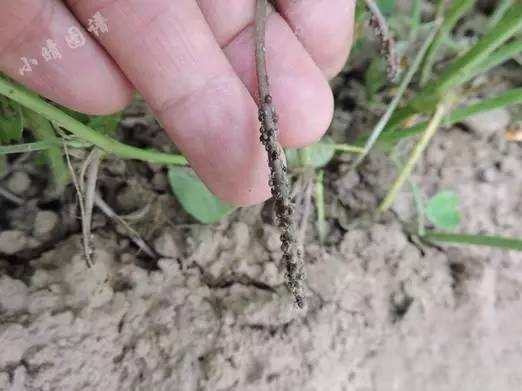
Aphids typically infest peanut pods because they prefer tender, young ones.
It's important to emphasize here that most systemic insecticides currently available are translocated upwards, with only a few, like pymetrozine, translocated both vertically and horizontally. Since aphids are located on the peanut pods, it's crucial to use sufficient water when spraying to kill aphids on the pods. Using one sprayer (30 catties) per acre for foliar spraying can sometimes be ineffective. Therefore, it's best to use a vehicle for spraying; using more water is always worthwhile.
These insects are more prevalent during periods of high temperature and drought. Prevention is key. Check the fields every few days and kill any insects you find. Even if you manage to kill them, peanuts will still be affected to some extent if there are too many insects.
5. Lepidoptera larvae such as cotton bollworm and beet armyworm
These types of pests tend to occur more frequently after rain, because the high humidity in the field is suitable for their egg-laying and hatching.
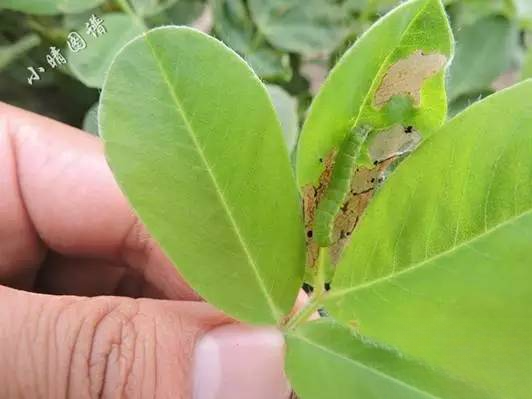
Lepidoptera larvae can bite and eat peanut leaves.
Peanut pest control pesticide regimen
Considering the types of pests that may occur on peanuts, I recommend abamectin. Abamectin is effective against lepidopteran larvae, spider mites, thrips, and aphids on peanuts. However, this is on the condition that the abamectin you use is of qualified quality and produced by a legitimate manufacturer.
When there are few insects, it can be used alone. When there are many aphids, whiteflies, and thrips, you can use abamectin + acetamiprid/thiamethoxam/bifenthrin + spreading agent. When there are many spider mites, you can use abamectin + pyridaben/spirodiclofen or other acaricides + spreading agent.
Finally, here are a few more key points for preventing and controlling pests and diseases in the mid-to-late stages of flowering:
1. Have a proactive awareness of prevention and apply pesticides before or at the initial stage of pest and disease occurrence;
2. Use sufficient water. Because the peanut leaves will block each other in the middle and late stages, you must use enough water when spraying to ensure that the pesticide is evenly dispersed. Try to use a vehicle (a tricycle with a spraying device on the back is fine) to spray, as this will allow for stronger penetration.
3. Remember to add a spreading agent when spraying pesticides, especially when pests such as aphids, thrips, and spider mites are prevalent. The difference in effectiveness between adding a spreading agent and not adding one is significant.
4. When spraying pesticides, remember to supplement with foliar fertilizer. For example, supplementing with potassium dihydrogen phosphate can increase peanut yield, and supplementing with foliar sugar alcohol chelated calcium can promote the penetration of the pegging and the growth of young fruits. If peanuts show yellowing symptoms other than root necrosis, you can supplement with a micronutrient fertilizer that combines various micronutrients.
5. Try to spray pesticides in the evening, as this will make them more effective.
6. Other (Any points to note that I haven't thought of or that you might have considered, please share them in the comments)
Okay, that's all for today's sharing on the pests and diseases of peanuts in the mid-to-late stages and their control. Due to my limited knowledge, there may be omissions or even errors, so I hope you will point them out.