13 LittleKnown Scientific Facts About Antarctica: Antarctica is the driest desert in the world.
Antarctica is the southernmost continent on Earth, and the last pristine place on the planet. Humans have built numerous research stations there, and Antarctica is no longer a desolate, uninhabited wasteland. However, until 1820, the existence of Antarctica was completely unknown; it was thought to be just a group of ice-covered islands. What are some interesting and little-known scientific facts about Antarctica?
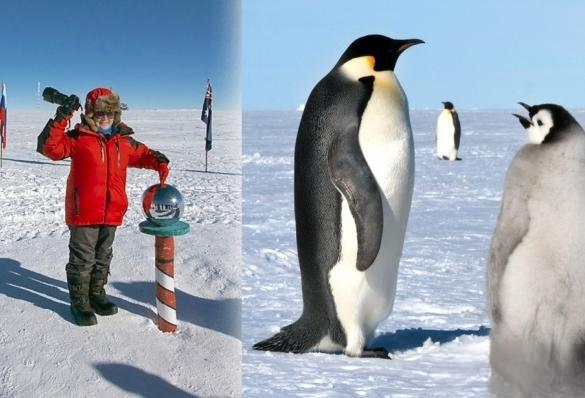
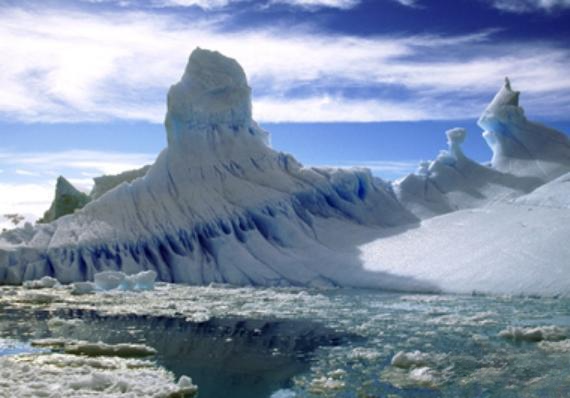
1. Approximately 98% of Antarctica is covered by ice, with an average thickness of 1.9 kilometers. The massive Antarctic ice sheet formed five million years ago. Antarctica contains about 70% of the Earth's freshwater and 90% of its freshwater ice. Unfortunately, due to global warming, Antarctica lost about 12.5 billion tons of ice annually between 2002 and 2016, causing global sea levels to rise by 0.35 millimeters per year. However, according to a new NASA study, Antarctica's ice is actually increasing. The Antarctic ice sheet gained a net 112 billion tons of ice annually from 1992 to 2001, but this net increase slowed to 82 billion tons per year between 2003 and 2008.
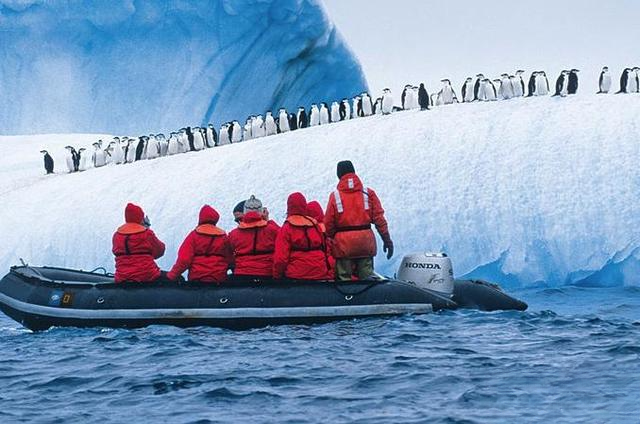
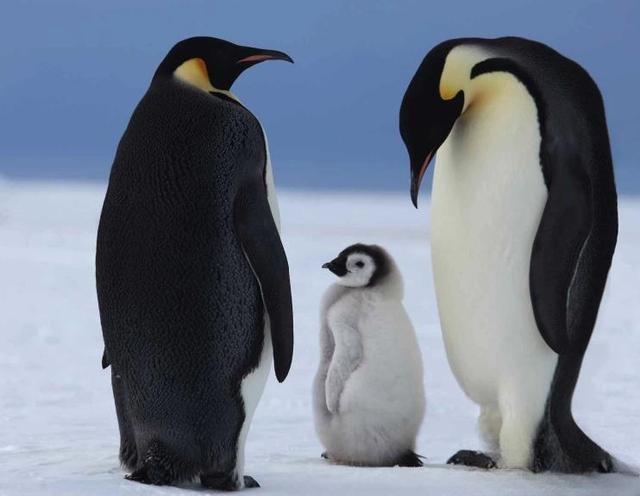
2. Emperor penguins are the only penguins that breed during the Antarctic winter and are the only warm-blooded animals that live in Antarctica during the winter. After the female penguin lays her eggs, the male emperor penguin incubates them while the female goes to the ocean to find food.
3. Antarctica is the driest continent on Earth, and theoretically, it is the world's largest desert. With an average annual rainfall of 166 millimeters, it is also the driest place on Earth, known as the McMurdo Dry Valleys. This unique desert, although located in Antarctica, is ice-free, and its environment is very similar to Mars.
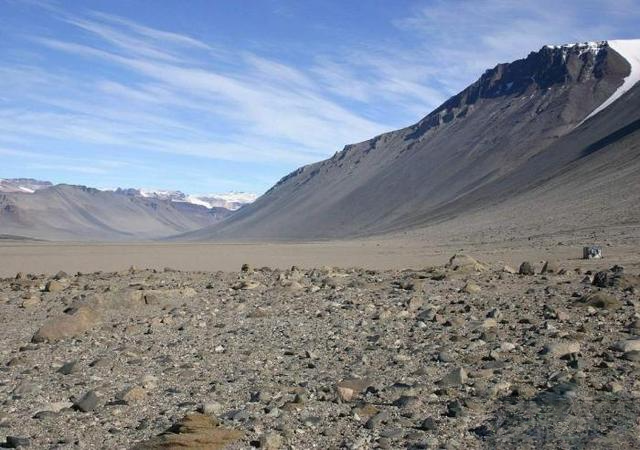
4. Antarctica is the windiest region on Earth; in areas like the McMurdo Dry Valleys, wind speeds can reach 320 km/h. At the same time, Antarctica has the highest average elevation of any continent: 2500 meters. Antarctica is the fifth largest continent on Earth, with an area of 14 million square kilometers.
5. The highest peak in Antarctica is called Mount Vinson, with an altitude of 4,892 meters. Antarctica also has sand dunes; the highest recorded dune is 70 meters high and over 200 meters wide, located in the McMurdo Dry Valleys. Antarctica is home to Sidley, the highest volcano on Earth, with a summit altitude of 4,285 meters.
6. On October 20, 1911, the team led by Norwegian explorer Roald Amundsen became the first expedition to reach the South Pole.
7. Antarctica has its own domain name suffix: .aq, which is unrestricted by anyone.
8. Antarctica has approximately 400 known subglacial lakes, and beneath the Antarctic ice lies a giant trench deeper than the Grand Canyon. It reaches a depth of 3 kilometers and spans 25 kilometers, while the Grand Canyon is only 1.8 kilometers deep.
9. Antarctica is the coldest continent on Earth. On July 21, 1983 (during the Antarctic winter), the lowest temperature ever recorded on Earth was -89.2°C, recorded at Vostok Station (a Russian research station) in Antarctica.
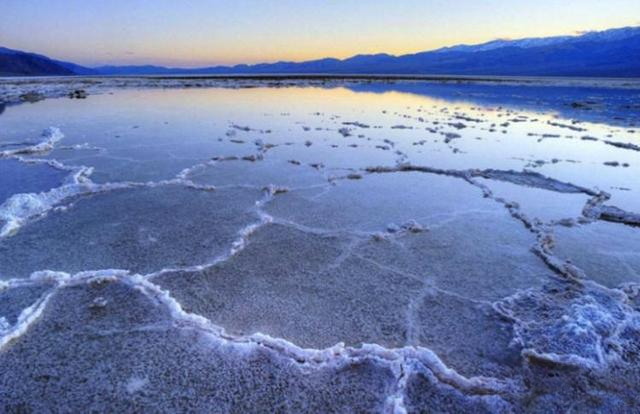
10. The saltiest body of water in the world is Don Juan Pool, a lake located in the McMurdo Dry Valley. Its salinity reaches 400‰, more than 18 times that of the ocean and 1.3 times that of the Dead Sea. Even at temperatures below -50°C, this highly saline water does not freeze.
11. There are no native inhabitants of Antarctica. Today, there are approximately 1,000 (during winter) to 4,000 (during summer) Antarctic researchers. On January 7, 1978, Emilio Marcos Palma, an Argentinian, became the first person born in Antarctica.
12. From 1964 to 1972, McMurdo Station in Antarctica had an ATM and a nuclear reactor, a medium-sized portable nuclear reactor, which was the first and only nuclear reactor to operate on the Antarctic continent. It operated for 10 years, significantly reducing the need for fossil fuels in Antarctica. However, it experienced 438 malfunctions during its operation. Due to its unreliable power source, it was replaced by a more reliable modern diesel generator.
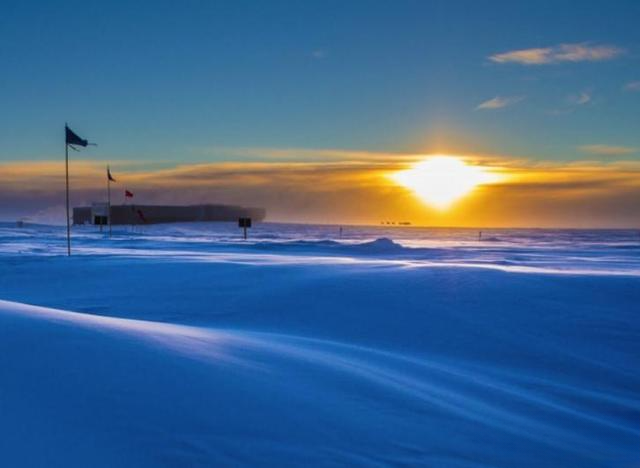
13. While Antarctica is treeless today, approximately 53 million years ago, during the early Eocene epoch, winter temperatures on the continent exceeded 10°C, and summer temperatures may have reached 25°C, even supporting trees such as palm trees. Plant fossils indicate that Antarctica was once covered by vast, dense forests and was a habitat for dinosaurs. Scientists have also discovered over 1,000 species of fungi in and around Antarctica.
Antarctica is such a fascinating place; let's hope that humanity won't pollute this last pristine paradise.