13 LittleKnown Facts About the Spring Festival You Might Not Know! (You've Learned Something New!)
The Spring Festival wasn't always called "Spring Festival".
In ancient times, the first day of the first lunar month was not called the Spring Festival, but New Year's Day.
After the Xinhai Revolution, the Gregorian calendar was adopted, and January 1st of the Gregorian calendar was called New Year's Day, while the first day of the first lunar month was called the Spring Festival.
The Kuomintang once attempted to abolish the Lunar New Year, but the attempt failed due to strong resistance from the Chinese people.
"Spring Festival" was not a holiday in the past.
In Chinese history, the term "Spring Festival" did not refer to a festival, but specifically to "Lichun" (the Beginning of Spring) in the Twenty-Four Solar Terms.
The Book of the Later Han Dynasty, Biography of Yang Zhen, records: "When no rain fell during the Spring Festival, all officials were anxious, but repairs continued, which was indeed a sign of drought."
During the Northern and Southern Dynasties, "Spring Festival" referred to the entire spring season .
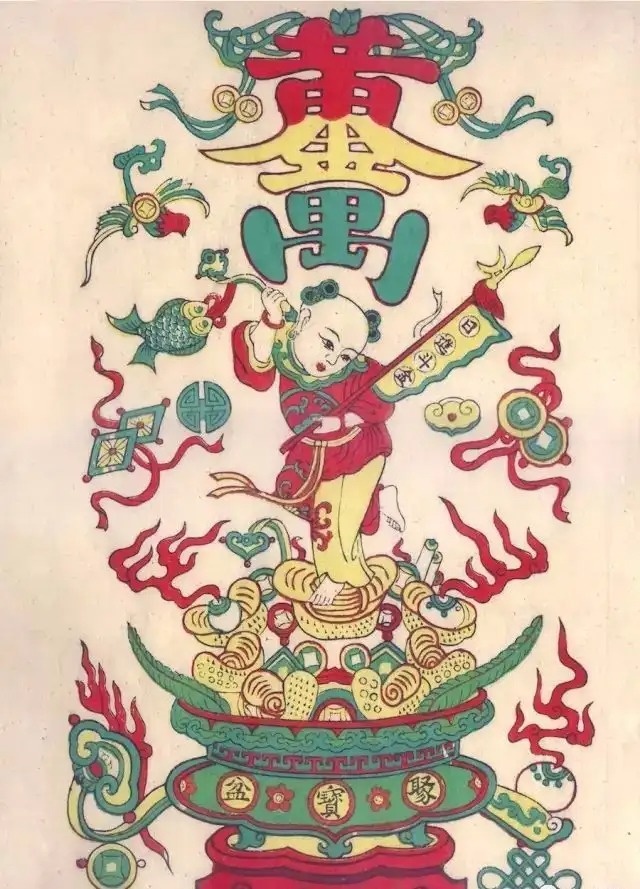
Ten thousand taels of gold
The Spring Festival can be defined in a narrow or broad sense.
In a narrower sense, the Spring Festival nowadays generally refers to the beginning of the Chinese lunar year, namely the first day of the first lunar month.
In a broad sense, the Spring Festival in folk tradition refers to the period from the Laba Festival on the eighth day of the twelfth lunar month or the Kitchen God Festival on the twenty-third or twenty-fourth day of the twelfth lunar month, all the way to the Lantern Festival on the fifteenth day of the first lunar month.
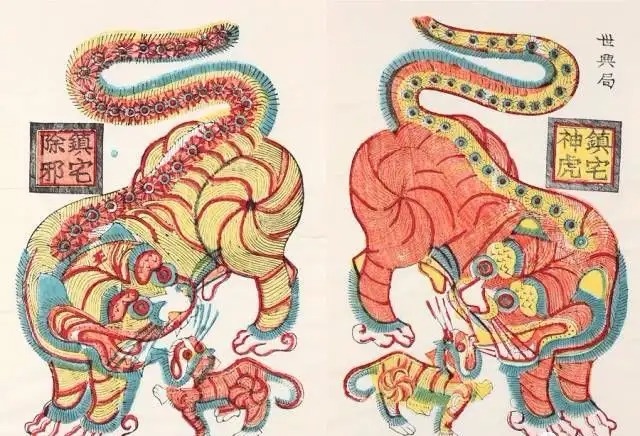
Tiger Gate God
Spring Festival
The Spring Festival (the first day of the first lunar month) falls between January 21 and February 21 in the Gregorian calendar.
The earliest Spring Festival (such as January 21, 1966) and the latest Spring Festival (such as February 20, 1985) are a full month apart.
According to calendar calculations, if the lunar calendar is not adjusted, February 21, 2319 will be the "latest Spring Festival in history". Previously, the latest Spring Festival occurred on February 20 in the Gregorian calendar, in 1920 and 1985.
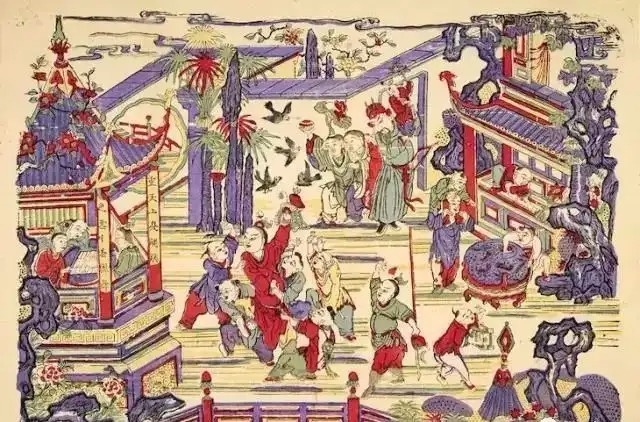
Five Sons Win the Championship
There may be two Spring Festivals.
The leap Spring Festival, also known as the "leap first month," occurred only 6 times in the lunar calendar from 1645 AD when the leap month system was first adopted until 2800 AD.
The years are 1651, 2262, 2357, 2520, 2539, and 2634.
Hmm. The next time we meet will be in 2262, so we won't be destined to meet.
In principle, the first month of the Lunar New Year should be observed in this situation, but there have been two instances where this has happened.
May you have a prosperous and joyful New Year!
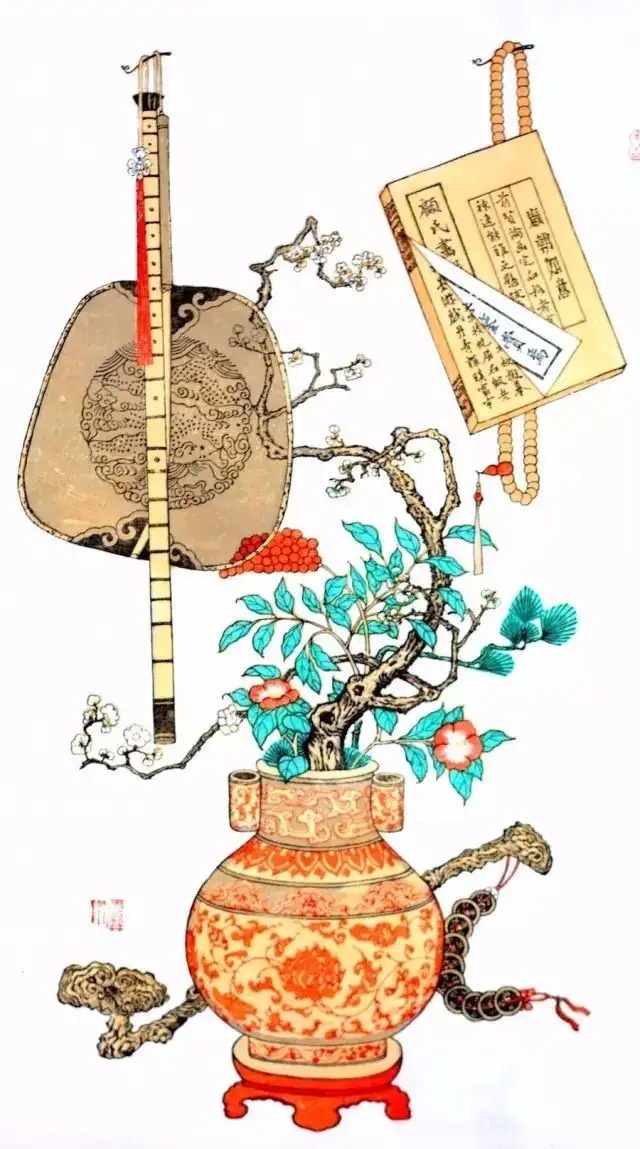
Lunar New Year's Eve can also fall on the 29th of the lunar calendar.
A month may not have 30 days, which is quite normal in the lunar calendar.
Because the current lunar calendar is based on astronomical>
Flowers bloom in wealth and prosperity
The celebrations are different every day during the Spring Festival.
Although the Spring Festival is a unified custom, the celebrations differ each day.
From the first to the seventh day of the lunar new year, the days are respectively the days of the rooster, dog, pig, sheep, ox, horse, and human.
Legend has it that Nuwa first created chickens, dogs, pigs, sheep, cows, and horses in six days, and only created humans on the seventh day after accumulating experience. So why do we have to go to work on the seventh day of the lunar new year?!
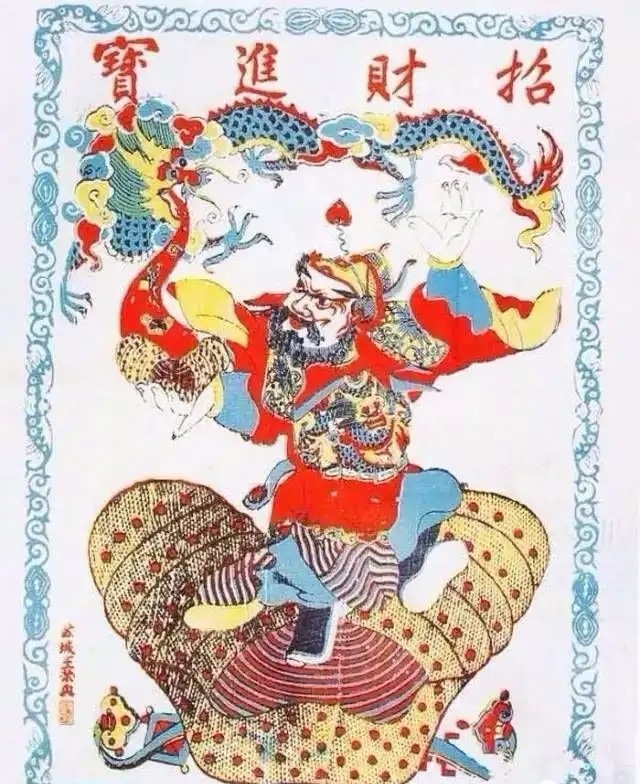
Bringing in wealth and treasures
Spring Festival is not only celebrated in China
Besides China, many other countries in the world also recognize the Lunar New Year as a public holiday. These include: South Korea, North Korea, Vietnam, Malaysia, Singapore, Indonesia, Mauritius, Myanmar, and Brunei.
In addition, Japan used to celebrate the Lunar New Year, but the lunar calendar was abolished after the Meiji Restoration, and the festival was moved directly to the Gregorian calendar.
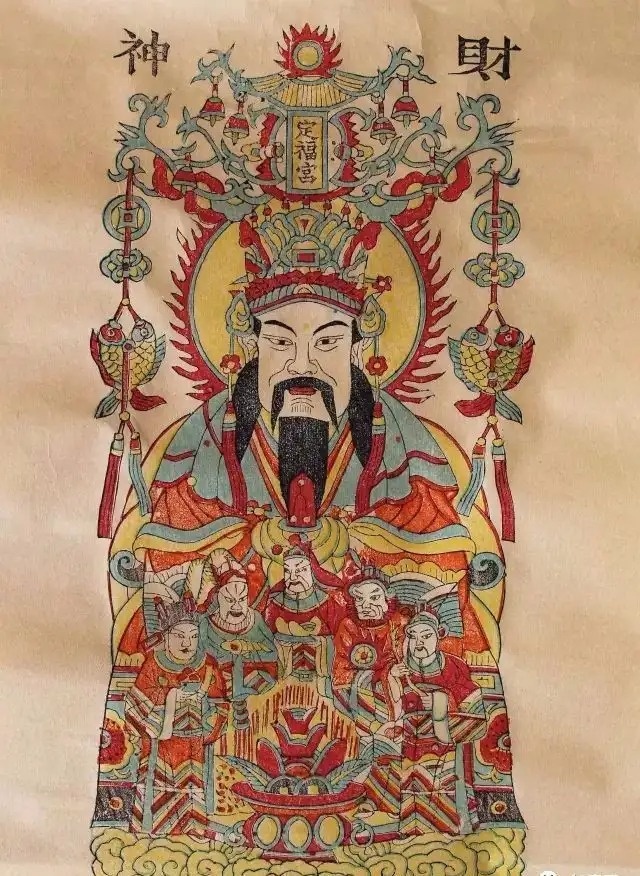
Woodblock New Year picture of the God of Wealth
New Year's money isn't actually "money".
New Year's money is not actually "money," but rather amulets cast in the shape of coins to ward off evil spirits.
Legend has it that in ancient times there was a small demon with a black body and white hands called "Sui". It would come out to harm people every New Year's Eve. The money for suppressing Sui was specifically used to scare this thing away.
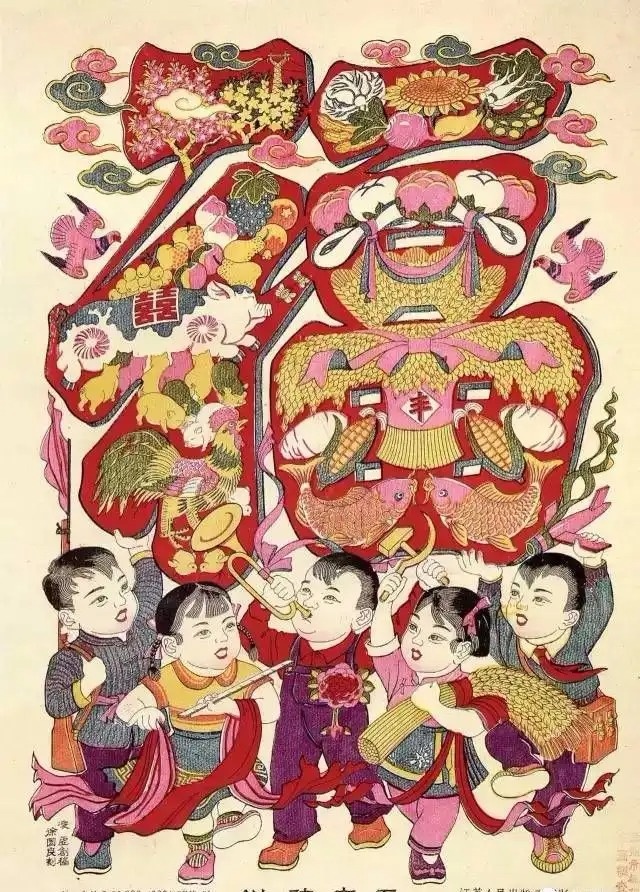
Great fortune
There's a specific rule for pasting the character "福" (fortune) upside down!
The character "福" (Fu, meaning good fortune) on the main gate should not be pasted upside down. In folk tradition, the character "福" is only pasted upside down on water tanks, trash cans, and cabinets.
To avoid the bad omen of spilling good fortune away when pouring water or taking out the trash, people would paste the character "福" (fortune) upside down in these two places, cleverly using "福至" (fortune arrives) to counteract "福去" (fortune departs).
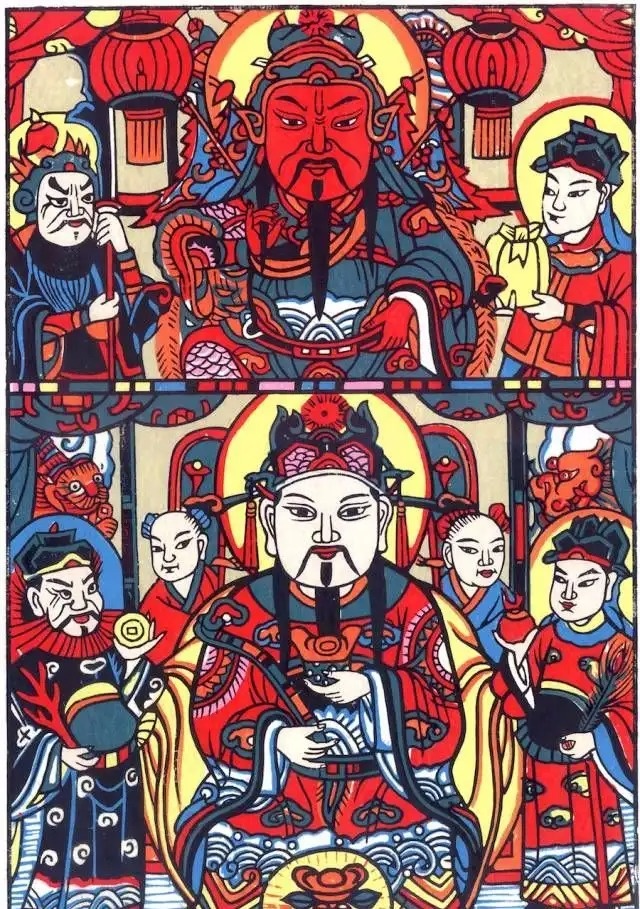
Shangguan Xiacai
The earliest firecrackers were indeed made of bamboo.
The earliest reliable record of firecrackers can be found in the "Chronicle of Seasonal Customs in Jingchu" by Zong Lin of the Southern Liang Dynasty : "The first day of the first month is the day of the Three Origins, also called the beginning of the month. People get up at cockcrow and set off firecrackers in front of the courtyard to ward off evil spirits from the mountains."
Back then, firecrackers were made by burning bamboo in a fire. Because the burning bamboo made a "crackling" sound, it was called a firecracker. And the first thing people did upon waking up on New Year's Day was to set off firecrackers.
Later, with the advent of gunpowder, people filled bamboo tubes with saltpeter, sulfur, and charcoal and burned them, creating "firecrackers".
During the Song Dynasty, it became common practice among the Han people to wrap gunpowder in paper tubes and hemp stalks and string them together to make "stringed cannons" (i.e., firecrackers).
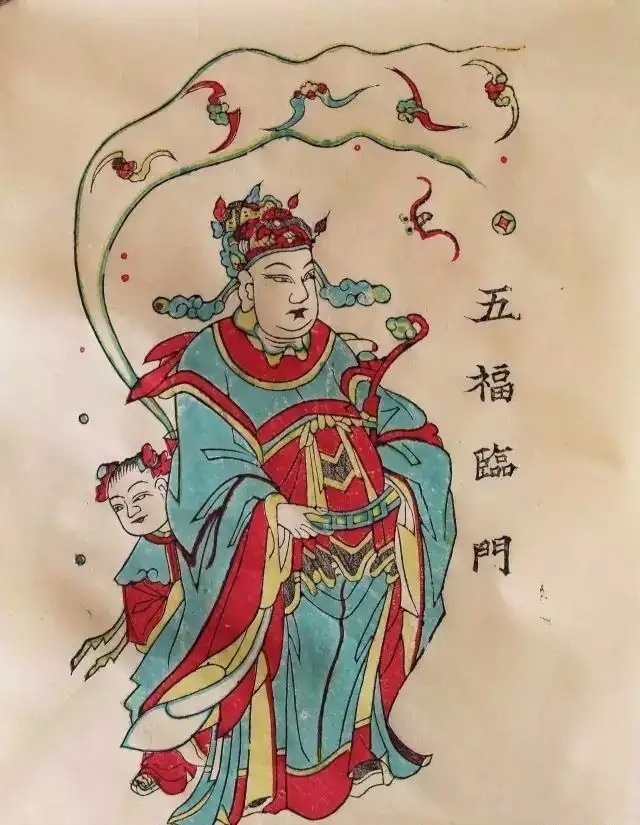
Five blessings arrive at the door
No haircuts during the first month of the lunar calendar
The saying "Don't cut your hair in the first month of the lunar calendar" has a certain scientific basis. The "Great Treatise on Regulating the Spirit in Accordance with the Four Seasons" in the Yellow Emperor's Inner Classic states that in spring, hair should be allowed to grow freely and should not be cut. It is believed that examining the hair and nails can diagnose serious illnesses and determine life and death.
But the saying "shaving your head will cause your uncle to die" is pure nonsense.
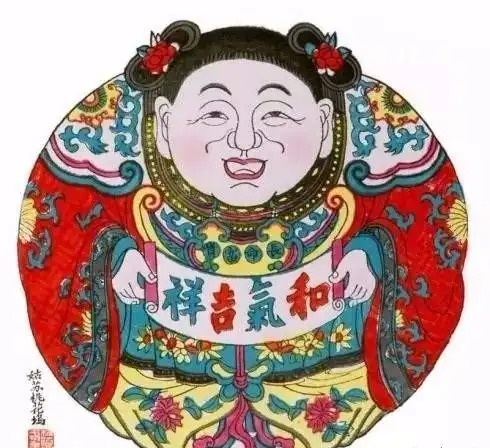
Harmony and good fortune
There's an art to exchanging New Year's greetings with clasped hands.
When men offer New Year's greetings, they should clasp their hands with their left hand over their right. This is because Chinese tradition values the left and belittles the right, so when clasping hands, the left hand should cover the right hand, which is called "auspicious greeting".
If the right hand covers the left, it is called a "mourning fist," a gesture used to announce a death or beg for mercy. Women, on the other hand, clasp their hands in the opposite way.
Did you know these little-known facts? Share them with your friends so they can all learn something new! Wishing you a happy new year and all the best!