11 Kitchen Cleaning Tips
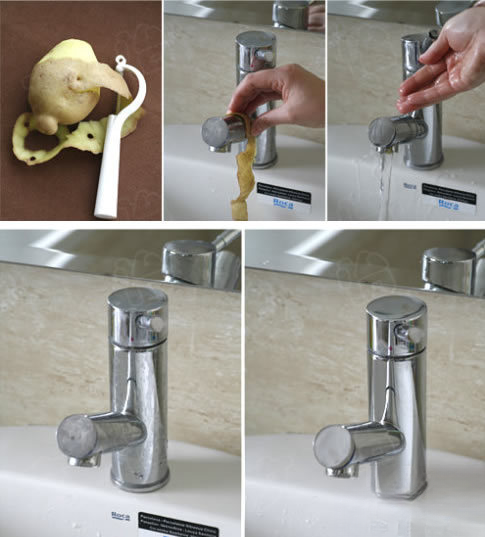
1. Why can't the faucet be cleaned properly?
Use the potato peels (flesh side) to repeatedly wipe the surface of the faucet, then rinse the faucet with clean water.
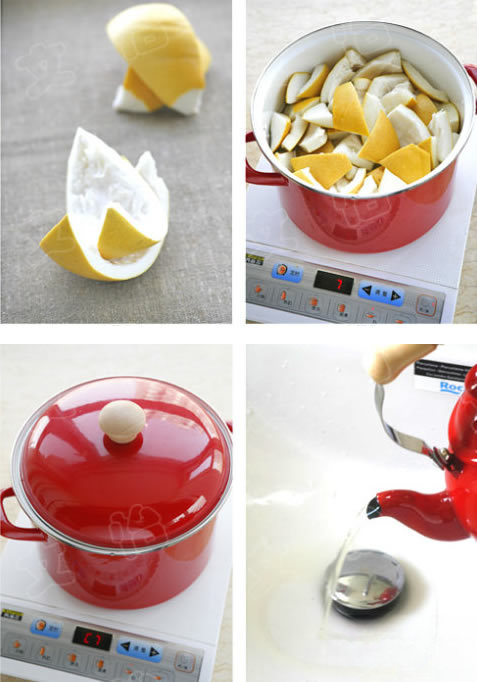
2. Does the sewer smell bad?
Slice grapefruit peel, add water and boil for 10 minutes. Pour the hot water down the drain. Doing this once a month will remove odors and keep the area clean.
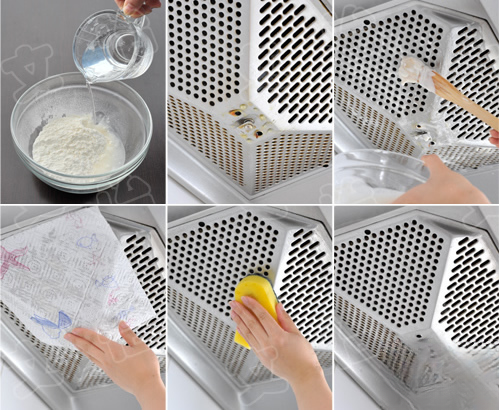
3. Heavy oil stains are not easy to remove?
Pour warm water into the flour little by little, mixing until you have a thick paste. Apply the paste to the grease filter of your range hood using a brush, then stick kitchen paper towels onto the paste to prevent dripping. After 5 minutes, remove the paper towels. Use the rough side of a dish sponge to wipe away the paste. Finally, wipe the hood clean with a clean cloth. (This method is generally not very effective for stubborn, long-standing grease stains.)
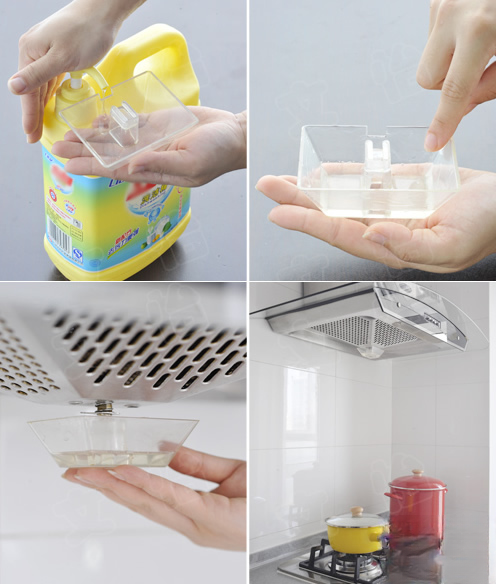
4. Is the oil box of the range hood difficult to clean?
Pour about one-third dish soap into a clean oil container, then use your finger to dab the dish soap onto the inside of the container before filling it.
5. Does the refrigerator smell?
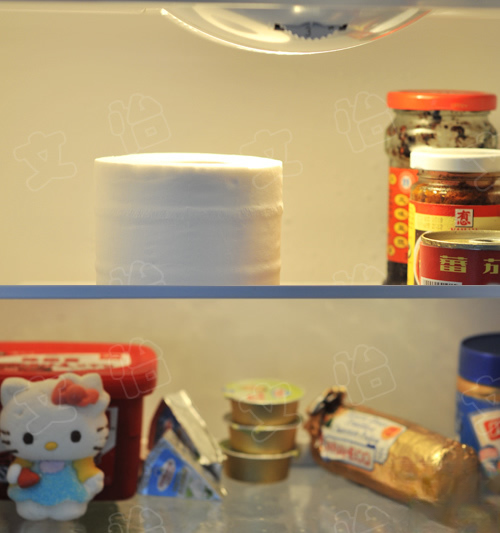
Simply place a toilet paper roll in the refrigerator and replace it monthly. Don't throw away the used roll; you can use it to wipe tables or floors. You can also put grapefruit peels or orange peels in the refrigerator.
6. Are the tea stains on the cup very stubborn?
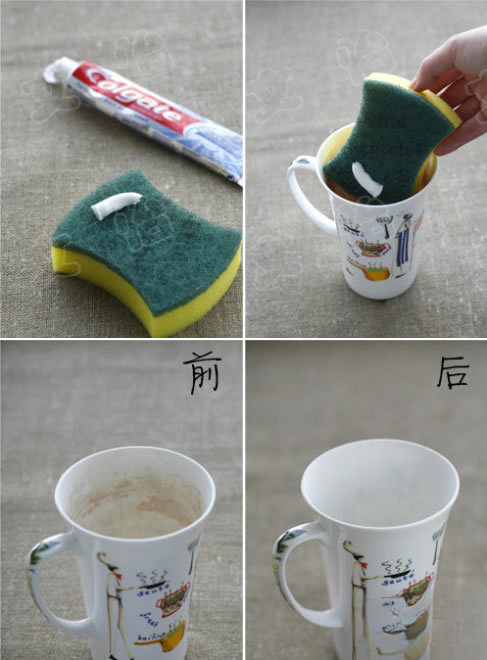
Toothpaste and a dishcloth can easily remove stubborn tea stains.
7. Are plastic products difficult to clean?
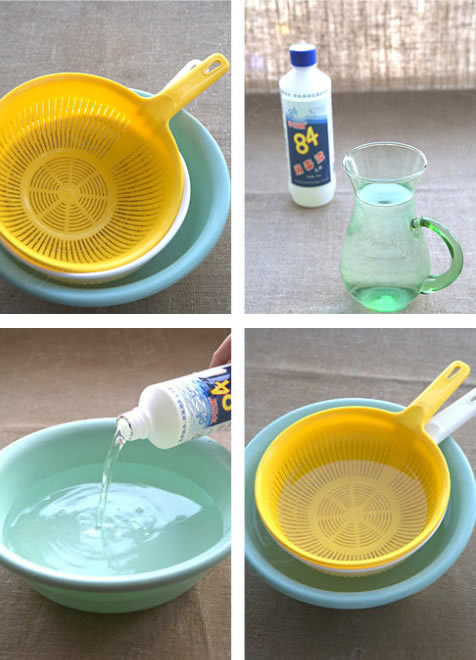
Mix 84 disinfectant and water at a ratio of 1:200, soak plastic items in the solution for 2 hours, then rinse thoroughly with clean water. The effect is excellent. The water used to soak the plastic items can be poured into the toilet and left to soak for 1 hour to clean the toilet as well. (Do not drip 84 disinfectant onto clothing, as it will cause fading.)
8. How to get a towel clean?
After hand-washing the towel clean, put it in boiling water to cover it, sprinkle some salt, bring it to a boil over high heat, then simmer over low heat for 15 minutes (do not cover the pot). After simmering, rinse with cold water, wring it dry, and place it in a sunny and ventilated place to dry.
9. How to get a dishcloth clean?
Place the dishcloth in a pot of water, then add the raw eggshells. Bring to a boil over high heat, then continue boiling uncovered for 6 minutes. Remove the dishcloth, rinse it with cold water, and let it air dry.
10. How to clean the dirtiest cutting board in your home?
First, wash the cutting board with dish soap and water. Then, sprinkle a spoonful of salt on the cutting board, and use a dish sponge dampened with a little water to repeatedly scrub the surface (for about 30 seconds). Rinse it thoroughly with cold water. Next, mix white vinegar and water in a 1:2 ratio and pour it into a spray bottle. Spray the mixture onto the surface of the cutting board. After spraying, do not rinse it with water. Let the vinegar solution remain on the cutting board and place it in a well-ventilated area to air dry naturally.
11. Why can't the adhesive on the tableware be peeled off completely?
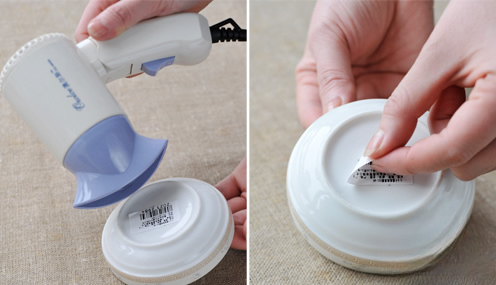
Use a hairdryer to blow hot air onto the label; it will peel off easily. If that doesn't work for cheap, low-quality adhesive labels, pour white vinegar onto a dishcloth, just enough to soak it. Place the vinegar-soaked dishcloth over the label on the tableware for about 20 minutes. Finally, rub the label area repeatedly with the dishcloth until it disappears.