1075: Key Points for the Prevention and Control of Orchid Diseases and Pests
Roses are prone to disease, and you need to learn how to apply pesticides. Managing a garden well is not a simple matter.
Yes! Doing anything well is never easy. It involves a lot of professional knowledge, not to mention love, meticulousness, and dedication—all are indispensable. When our minds aren't on something, we won't do it well. I remember once visiting someone's garden, and it was a mess. The plants were listless, many were withered, and their branches hadn't been pruned or replaced. He asked me how to bring life back to the garden. My advice was —lack of love. How can you manage a garden well when your heart isn't in it?
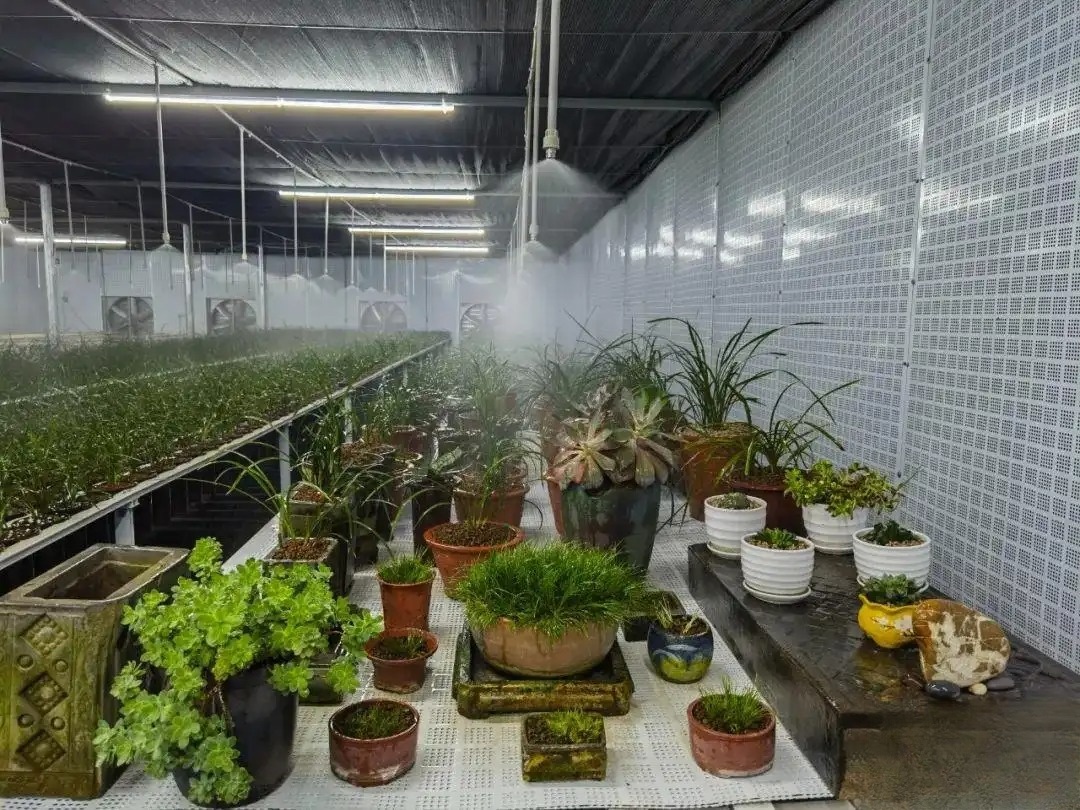
Love nourishes happiness—this is no exaggeration, applicable to both people and things. How can one expect a garden to flourish and bloom profusely when the heart is not present? That is utterly wishful thinking. I've visited several famous orchid gardens, and the scenes were identical: withered branches and decaying leaves—a testament to the owner's declining spirit and neglect. These examples demonstrate that understanding a person's state of mind at a particular time is simple: just observe their behavior and the rise and fall of the things they manage.
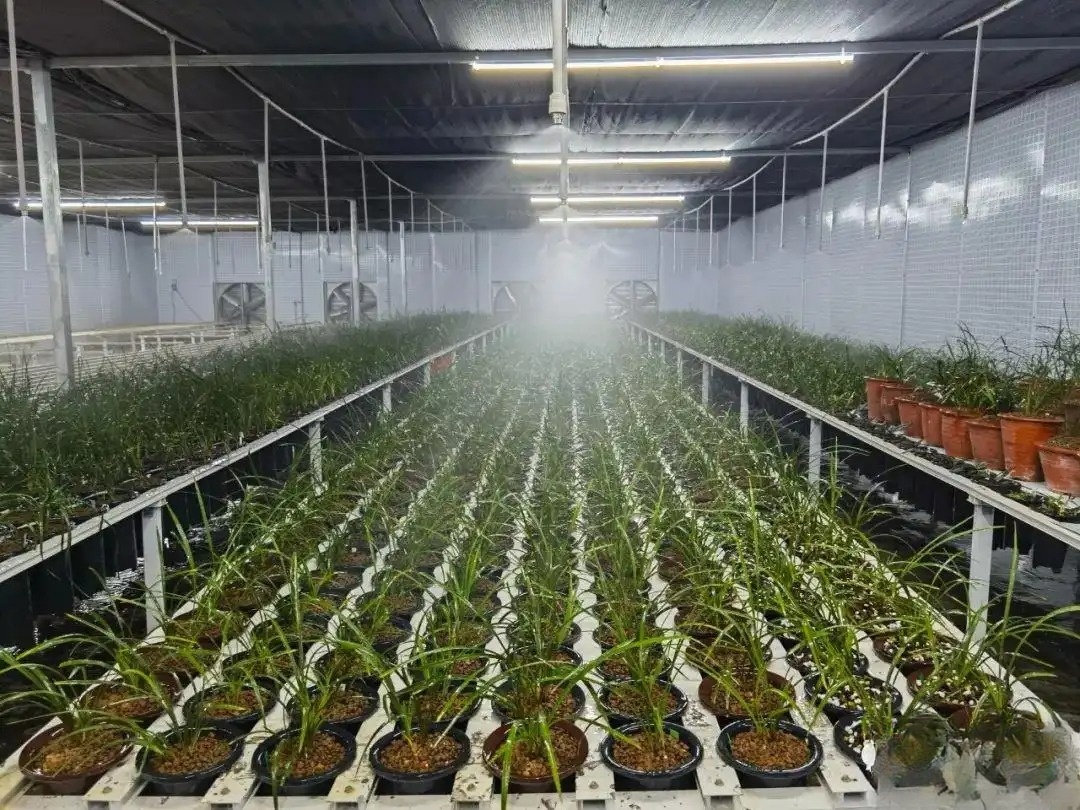
A joyful, excited, focused, confident, expectant, and high-standard life presents a vibrant and thriving picture. Conversely, a life filled with disappointment, listlessness, despondency, and a lack of fighting spirit presents a life devoid of enthusiasm and vitality, where everything seems terrible. We can read and perceive everything from a person's state of mind.
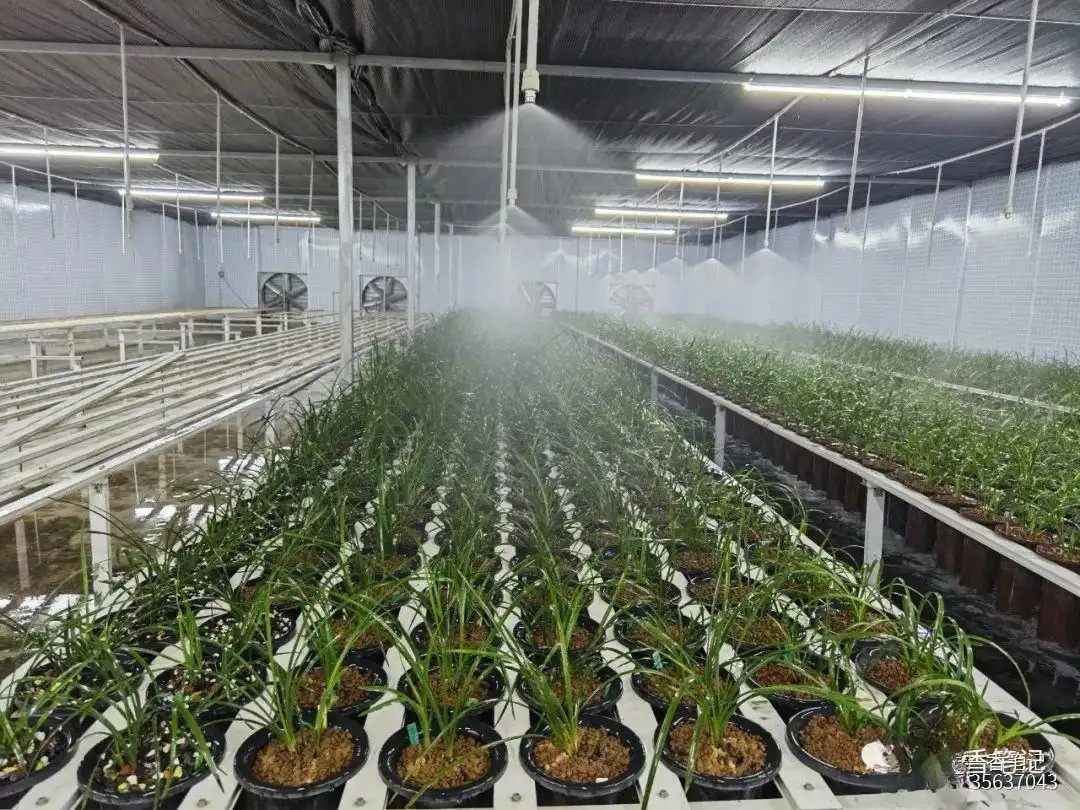
The above points demonstrate that one's mood truly influences everything. Therefore, in the cultivation and management of orchids, we must first calm our minds and focus on perceiving and observing them carefully. Only then will we understand the current situation of the orchid's growth, its needs, and what it lacks. Whether it's lacking fertilizer, water, or light, or having too much, a focused mind will reveal all.
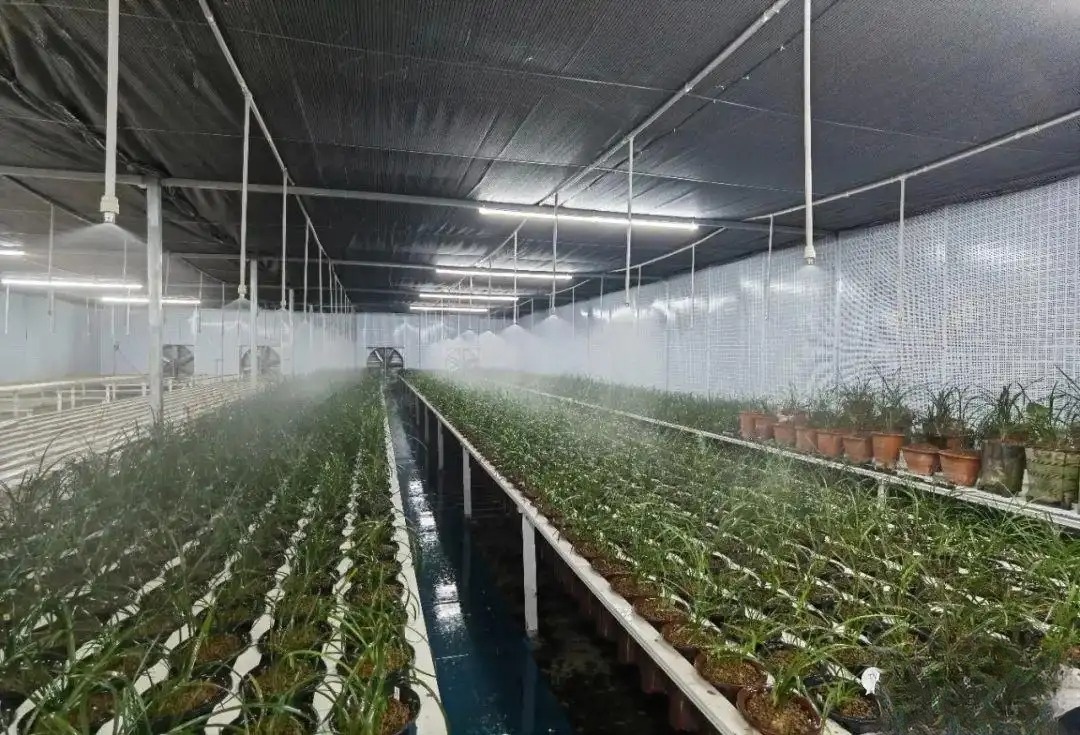
In cultivation and management, if you lack professional knowledge, you need to learn. For example, when applying pesticides to orchids, you should know that the spray solution should be evenly applied to both sides of the leaves, ideally without dripping. Such precise application rarely results in spots or damage to new buds due to pesticide accumulation, and it also avoids the uneven effect caused by pesticide pooling at the tips of dew-covered leaves. When the pesticide solution is uneven, it easily focuses sunlight, causing scorch marks on the leaves. In nature, besides spontaneous combustion caused by lightning, another cause is the focusing of light through uneven surfaces.
When leaves are not treated evenly, protection will inevitably be inadequate. For example, I was very satisfied with the cultivation and management of my peonies this year, and was feeling quite pleased with the clean leaves, expecting to succeed by September . However, things are never perfect. Through observation over the past two days, I've noticed some initial problems. The two earliest planted rows of peonies, 'Baiyuan Hongxia' and 'Luoyang Hong,' showed slight tip burn. After careful examination, I concluded that this wasn't a physiological phenomenon caused by hot, dry winds, but rather that the undersides of the leaves were being eroded by harmful bacteria to varying degrees.
Therefore, I inspected the two rows of peonies and found that some of the larger 'Zhao Fen' and 'Yao Huang' peony plants also had infections on the undersides of their leaves. My negligence in applying pesticides was the cause of my oversight. I assumed that plants older than three years were more resistant, so I wasn't very careful when applying pesticides, just spraying them quickly without paying attention to the undersides of the leaves. This allowed harmful bacteria to invade. In contrast, the peonies planted last autumn were weaker, but I applied pesticides to both sides of the leaves properly, resulting in perfect leaves that laid a foundation for healthy branching the following year.
Furthermore, for plots that have been planted for several years , pest and disease prevention should be strengthened rather than neglected; this is the second reason. Thanks to the targeted pesticide application on July 8th , the scorching of the leaves seems to be under control; we'll see if it spreads after this heavy rain. A second application of Bordeaux mixture will be carried out at an appropriate time later, with the particular hope that the leaves will be protected from harmful bacteria until September . As long as the peonies don't develop autumn shoots, the chances of a good bloom next year will be greatly increased.
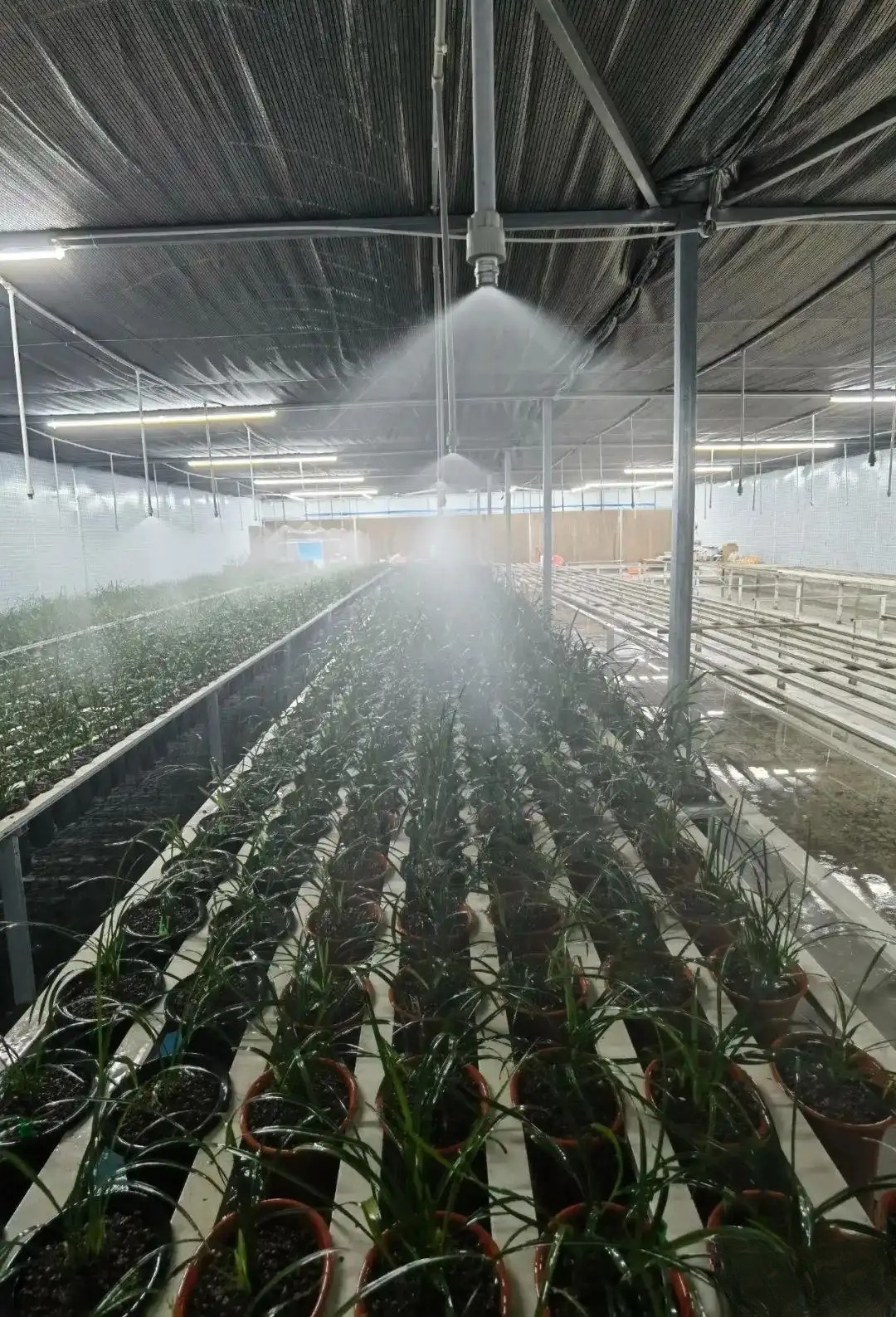
Regarding safe pesticide application, as I mentioned above, the tips of orchid leaves tend to swell, making them prone to pesticide residue buildup. Therefore, even spraying is crucial to prevent pesticide damage and uneven application. The same principle applies to peony leaf protection. Many peony varieties have ovate leaves that are round and concave, easily trapping pesticide residue. Therefore, ensuring even application of pesticide to both sides of the leaves is extremely important.
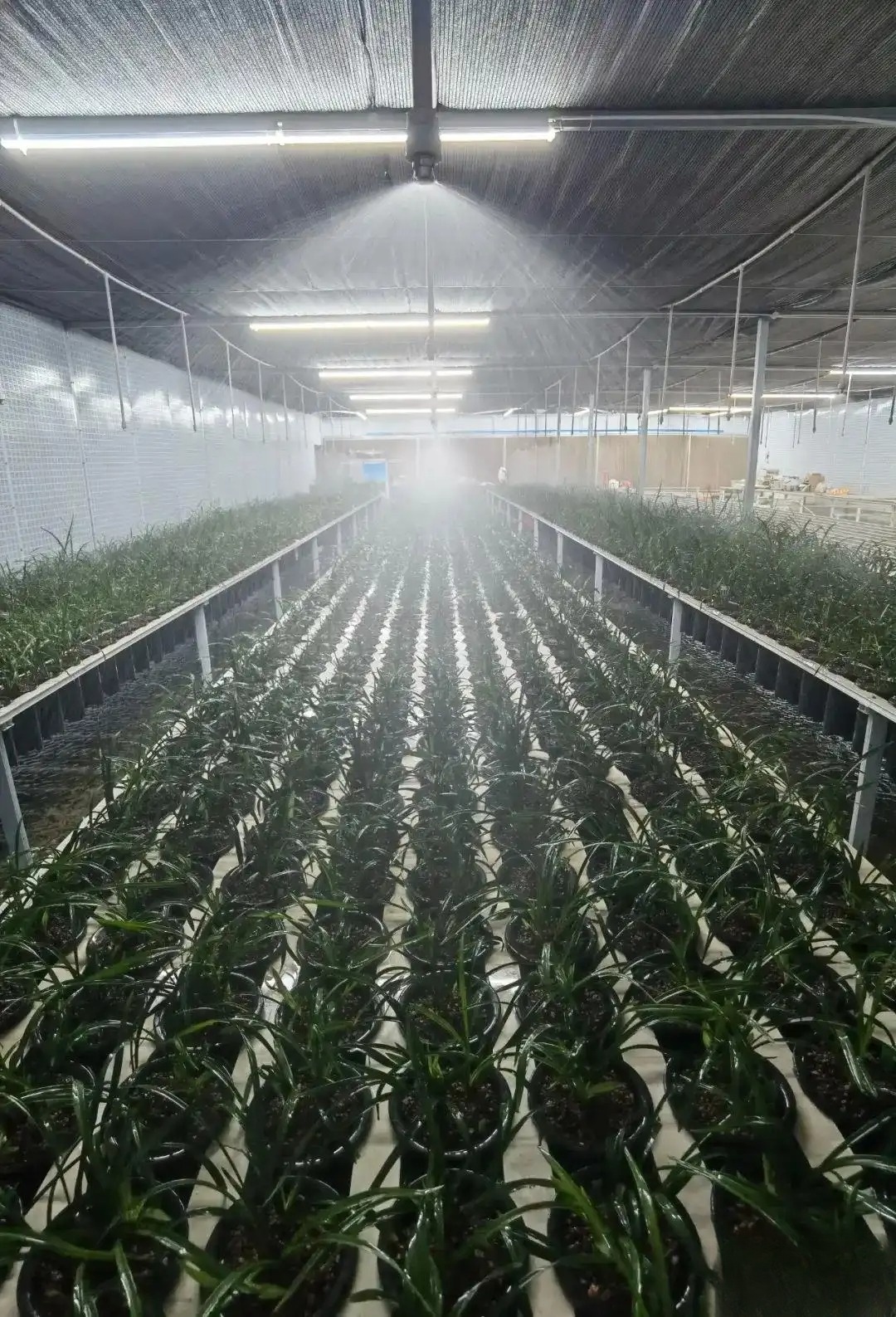
To avoid the leaves absorbing the pesticide and causing phytotoxicity or unevenness, it's advisable to apply the pesticide first to the underside of the leaves, then spray the front in one smooth motion. The goal is for the pesticide to adhere evenly without dripping. This application technique is straightforward on peonies, but more challenging on orchids. Because the plants are smaller, and the leaves extend upwards at an angle or droop, excessive pesticide application can cause sap to accumulate in new shoots, leading to phytotoxicity. For example, some new leaves develop mottled chlorosis due to improper pesticide application. Furthermore, applying the pesticide to the underside of the leaves is more difficult. Therefore, it's recommended to spray from the bottom up on the underside before moving to the front and spraying downwards. While changing traditional application methods may be challenging, it's essential for the healthy growth of the plant . Ultimately, practice makes perfect, and the technique requires repeated practice to master.
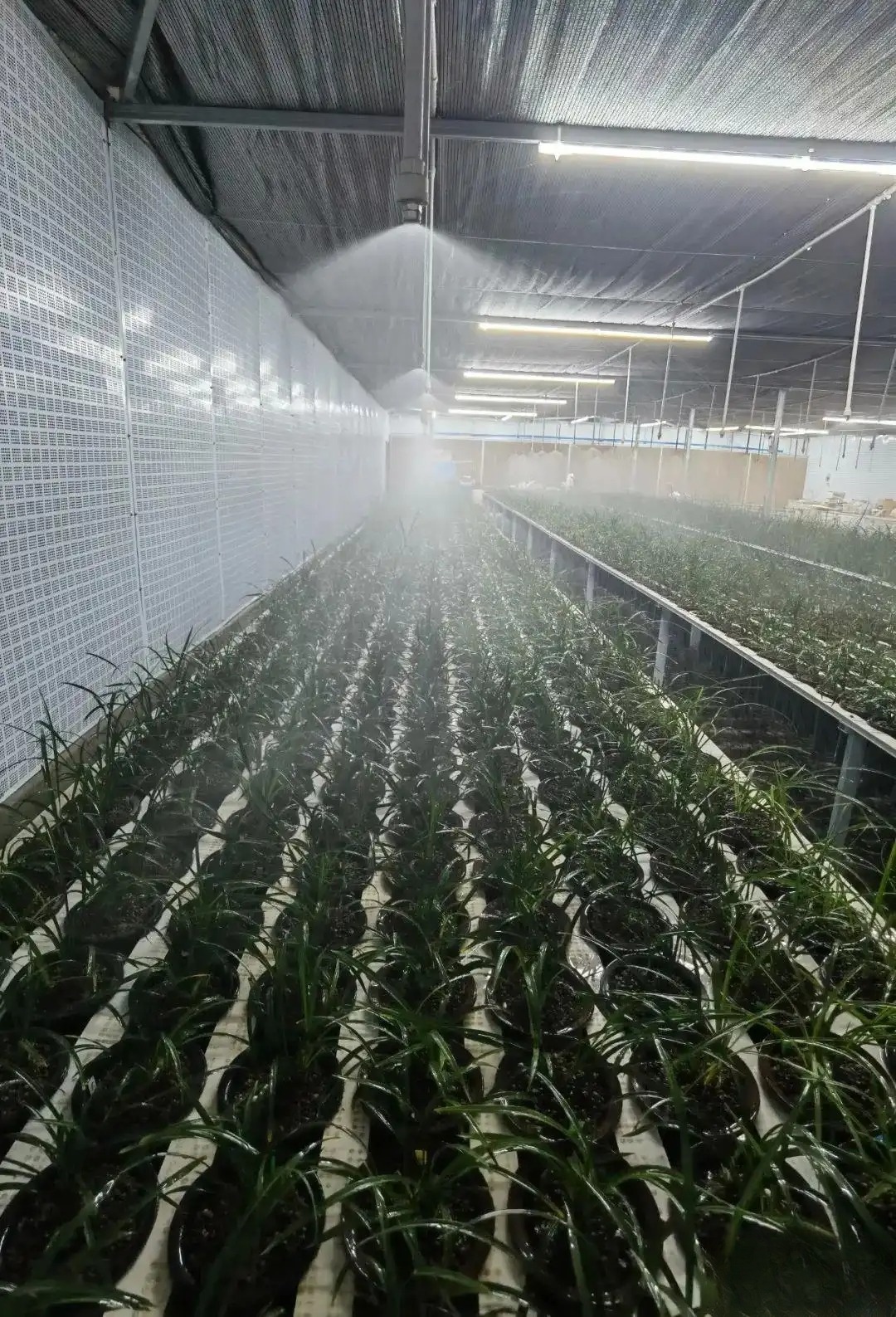
When I discovered this phenomenon, I decided to change the previous method of applying the medicine. Previously, I would use one 16L bucket of water to spray three 20- meter racks . In fact, one bucket of water could spray six racks, which shows that there was a back-and-forth spraying phenomenon. Now, the remaining half bucket of medicine is sprayed directly on the peony flowers. As a result, both orchids and peonies are doing well.